
Title
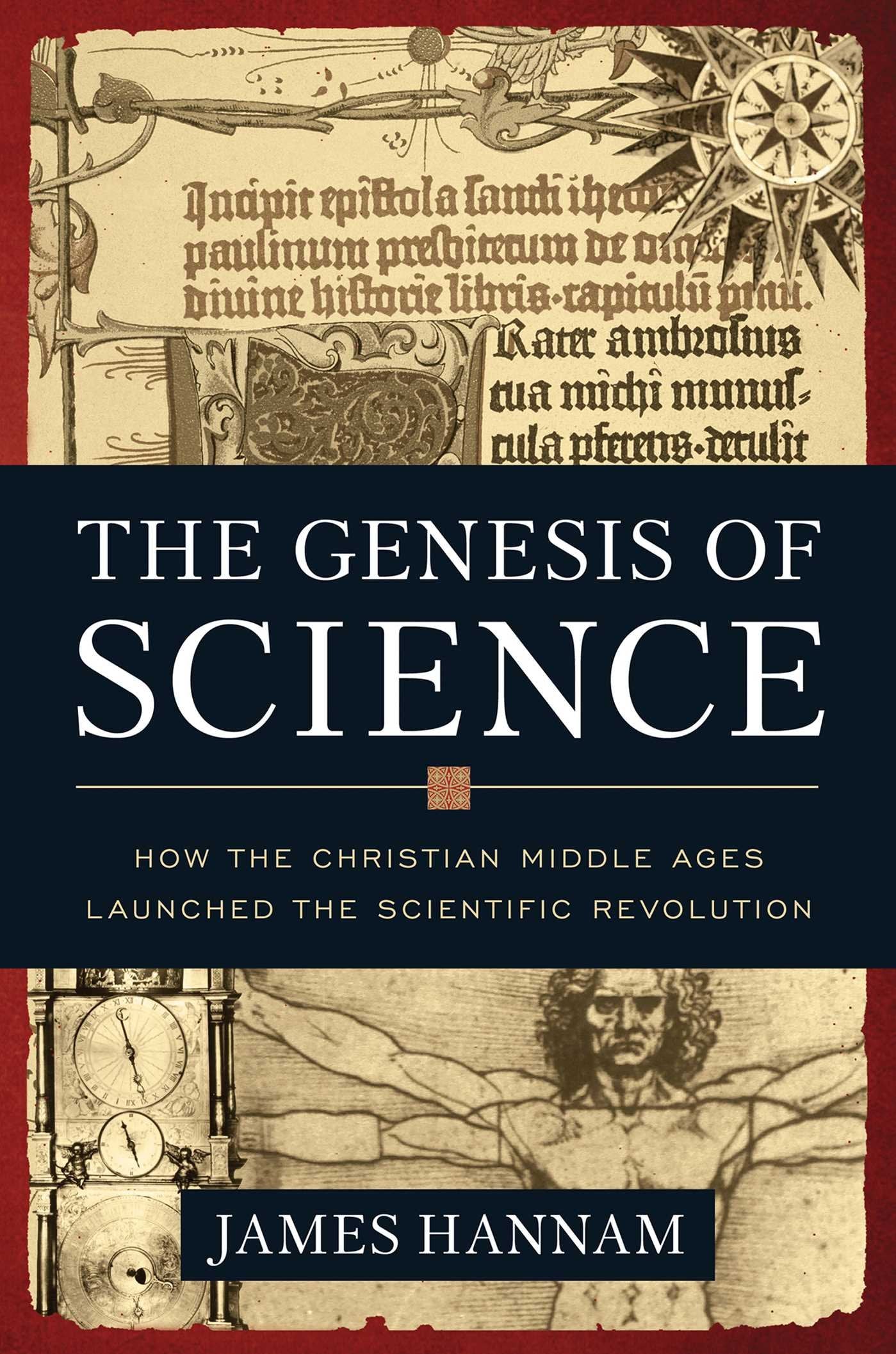
The Genesis Of Science: How The Christian Middle Ages Launched The Scientific Revolution
Sold by Ergodebooks, an authorized reseller.
Returns accepted within 30 days | support@ergodebooks.com
Shipping Information
- Free Standard Shipping — United States only
- Processing Time: 3–5 business days
- Estimated Delivery: 6–10 business days after dispatch
- Double-boxed, fully insured & discreetly packaged
- Tracking number sent via email once dispatched
Returns & Refund
Returns accepted within 30 days of delivery.
Damaged or Defective Item
Free return shipping + replacement or full refund
Wrong Item Received
Free return shipping + replacement or full refund
Change of Mind
Return shipping at customer's expense · 25% restocking fee applies
Payment Option

Maybe The Dark Ages Weren'T So Dark After All...Here Are Some Facts You Probably Didn'T Learn In School:People In The Middle Ages Did Not Think The World Was Flatin Fact, Medieval Scholars Could Prove It Wasn'T; The Inquisition Never Executed Anyone Because Of Their Scientific Ideas Or Discoveries (Actually, The Church Was The Chief Sponsor Of Scientific Research And Several Popes Were Celebrated For Their Knowledge Of The Subject); It Was Medieval Scientific Discoveries, Methods, And Principles That Made Possible Western Civilization'S Scientific Revolution. If You Were Taught That The Middle Ages Were A Time Of Intellectual Stagnation, Superstition, And Ignorance, You Were Taught A Myth That Has Been Utterly Refuted By Modern Scholarship.As A Physicist And Historian Of Science James Hannam Shows In His Brilliant New Book, The Genesis Of Science: How The Christian Middle Ages Launched The Scientific Revolution, Without The Scholarship Of The Barbaric Middle Ages, Modern Science Simply Would Not Exist.The Middle Ages Were A Time Of One Intellectual Triumph After Another. As Dr. Hannam Writes, The People Of Medieval Europe Invented Spectacles, The Mechanical Clock, The Windmill, And The Blast Furnace By Themselves. Lenses And Cameras, Almost All Kinds Of Machinery, And The Industrial Revolution Itself All Owe Their Origins To The Forgotten Inventors Of The Middle Ages.In The Genesis Of Science You Will Discover:Why The Scientific Accomplishments Of The Middle Ages Far Surpassed Those Of The Classical World; How Medieval Craftsmen And Scientists Not Only Made Discoveries Of Their Own, But Seized Upon Eastern Inventionsprinting, Gunpowder, And The Compassand Improved Them Beyond The Dreams Of Their Originators; How Galileo'S Notorious Trial Before The Inquisition Was About Politics, Not Science; And Why The Theology Of The Catholic Church, Far From Being An Impediment, Led Directly To The Development Of Modern Science. Provocative, Engaging, And A Terrific Read, James Hannam'S The Genesis Of Science Will Change The Way You Think About Our Pastand Our Future.
⚠️ WARNING (California Proposition 65):
This product may contain chemicals known to the State of California to cause cancer, birth defects, or other reproductive harm.
For more information, please visit www.P65Warnings.ca.gov.
- Q: What is the page count of this book? A: The book contains four hundred eighty pages. It provides an in-depth exploration of the scientific achievements during the Christian Middle Ages.
- Q: What is the binding type of this book? A: The book is hardcover. This ensures durability and a classic look, making it ideal for both reading and display.
- Q: What is the size of this book? A: The dimensions are six inches in length, one point seven inches in width, and nine point zero two inches in height. This size fits comfortably on most bookshelves.
- Q: Who is the author of the book? A: The author is James Hannam. He is both a physicist and a historian of science, bringing a unique perspective to the subject.
- Q: What is the main theme of the book? A: The book explores how the Christian Middle Ages contributed to the Scientific Revolution. It challenges the notion that this period was intellectually stagnant.
- Q: What audience is this book suitable for? A: This book is suitable for readers interested in history, science, and religion. It's accessible to both casual readers and academics.
- Q: How should I read this book? A: You can read it like any standard book, starting from the beginning and progressing to the end. Its engaging narrative makes it enjoyable and informative.
- Q: Is this book appropriate for young adults? A: Yes, the book is appropriate for young adults. It presents historical facts in an engaging way that is suitable for mature teens and adults.
- Q: Are there any illustrations in the book? A: Yes, the book includes illustrations that complement the text. These visuals help to clarify complex concepts discussed in the chapters.
- Q: How do I keep this book in good condition? A: To keep it in good condition, store it upright on a shelf and avoid exposure to direct sunlight. Regularly dust the cover to maintain its appearance.
- Q: Is this book safe for children? A: Yes, the book is generally safe for children, but adult supervision is recommended for younger readers due to its complex themes.
- Q: What is the book's publication date? A: The book was published in 2011. Its insights remain relevant for discussions about science and religion today.
- Q: Can I return the book if I don't like it? A: Yes, you can return the book within the specified return period. Check the retailer's return policy for detailed instructions.
- Q: What if the book arrives damaged? A: If the book arrives damaged, contact customer support immediately for a replacement or refund. Keep the packaging for reference.
- Q: Does this book include a bibliography? A: Yes, the book includes a bibliography. This allows readers to explore the sources and further readings on the topic.