
Title
The Genius of Japanese Design,Used
Sold by Ergodebooks, an authorized reseller.
Returns accepted within 30 days | support@ergodebooks.com
Shipping Information
- Free Standard Shipping — United States only
- Processing Time: 3–5 business days
- Estimated Delivery: 6–10 business days after dispatch
- Double-boxed, fully insured & discreetly packaged
- Tracking number sent via email once dispatched
Returns & Refund
Returns accepted within 30 days of delivery.
Damaged or Defective Item
Free return shipping + replacement or full refund
Wrong Item Received
Free return shipping + replacement or full refund
Change of Mind
Return shipping at customer's expense · 25% restocking fee applies
Payment Option

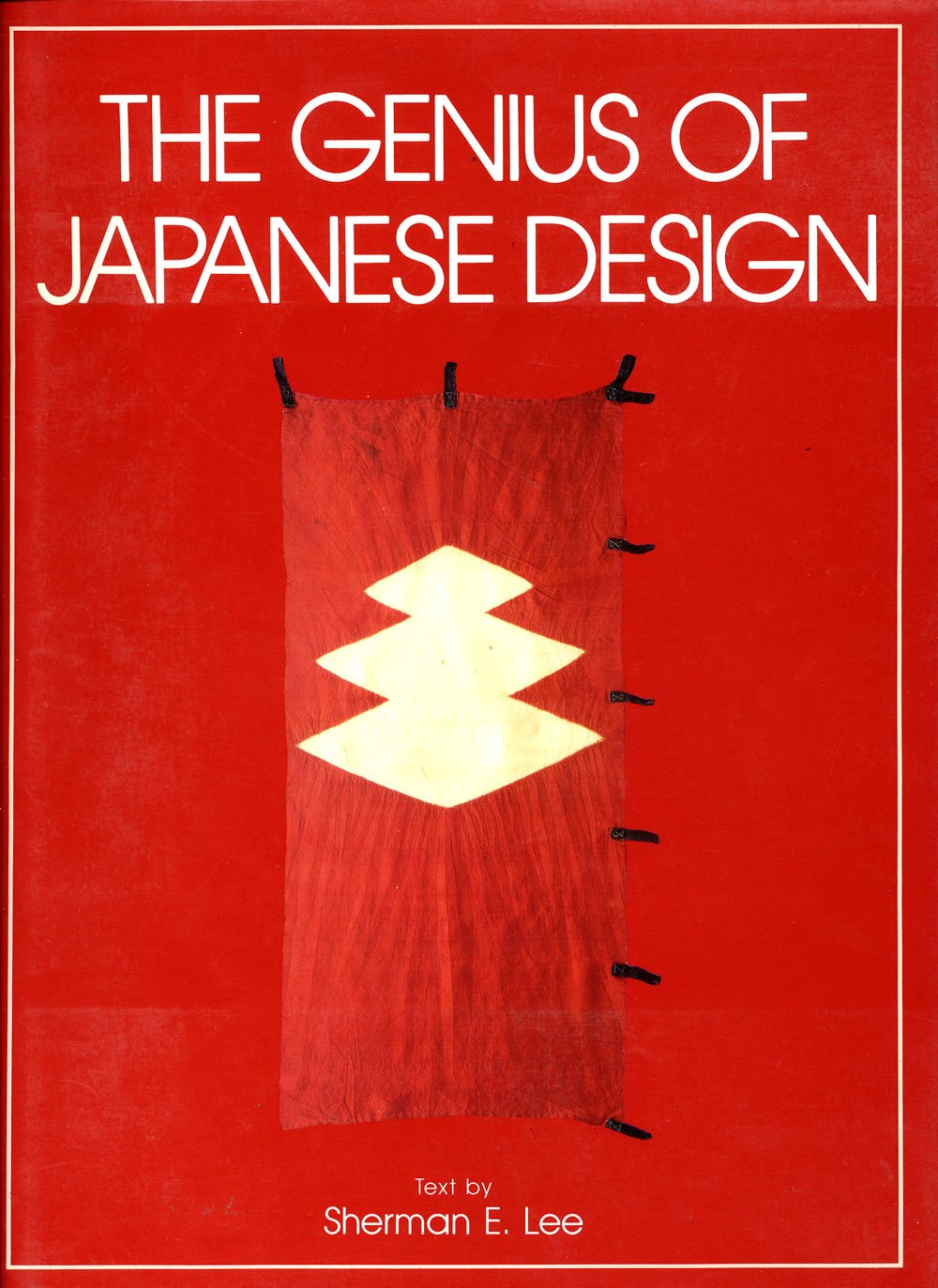
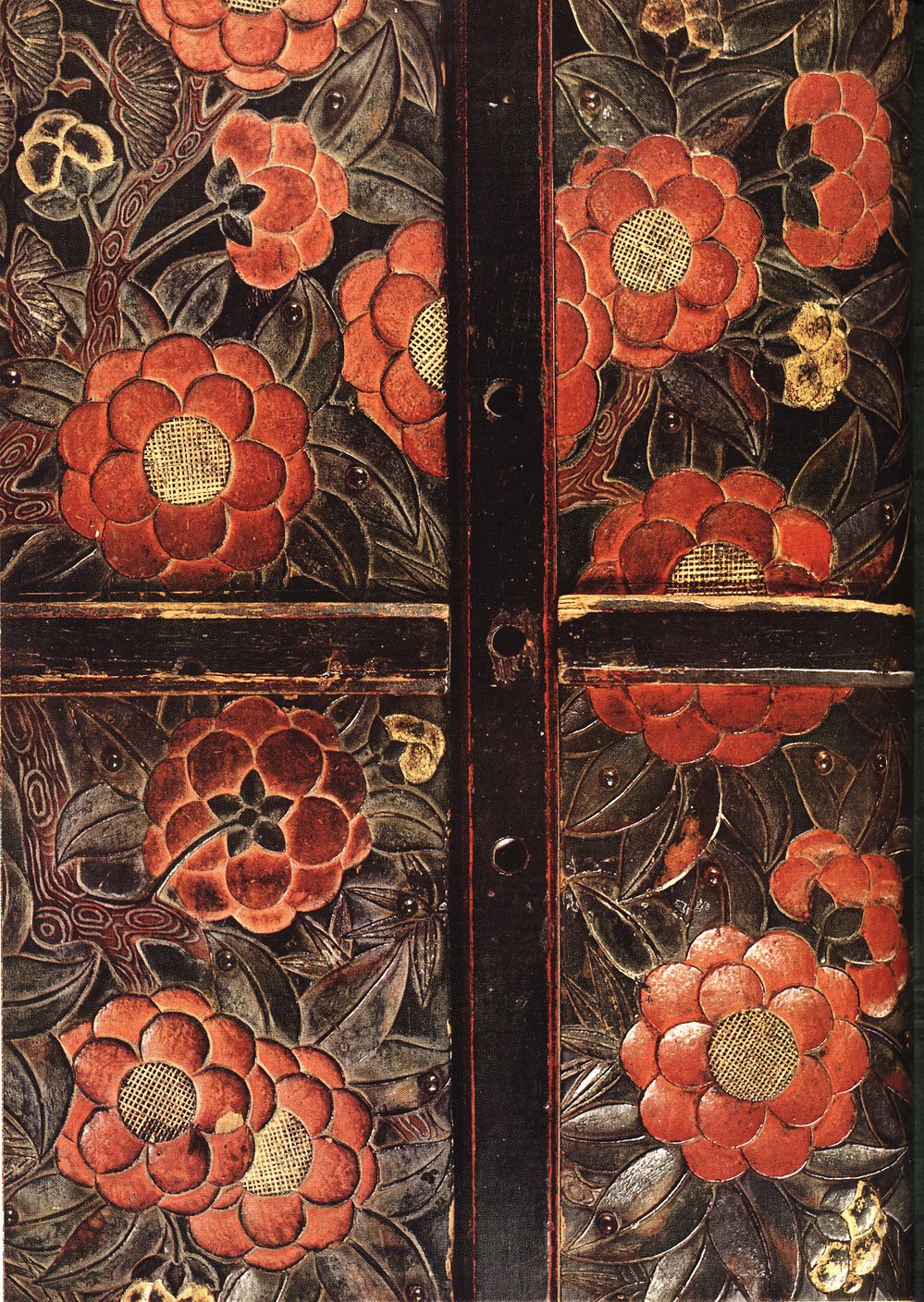
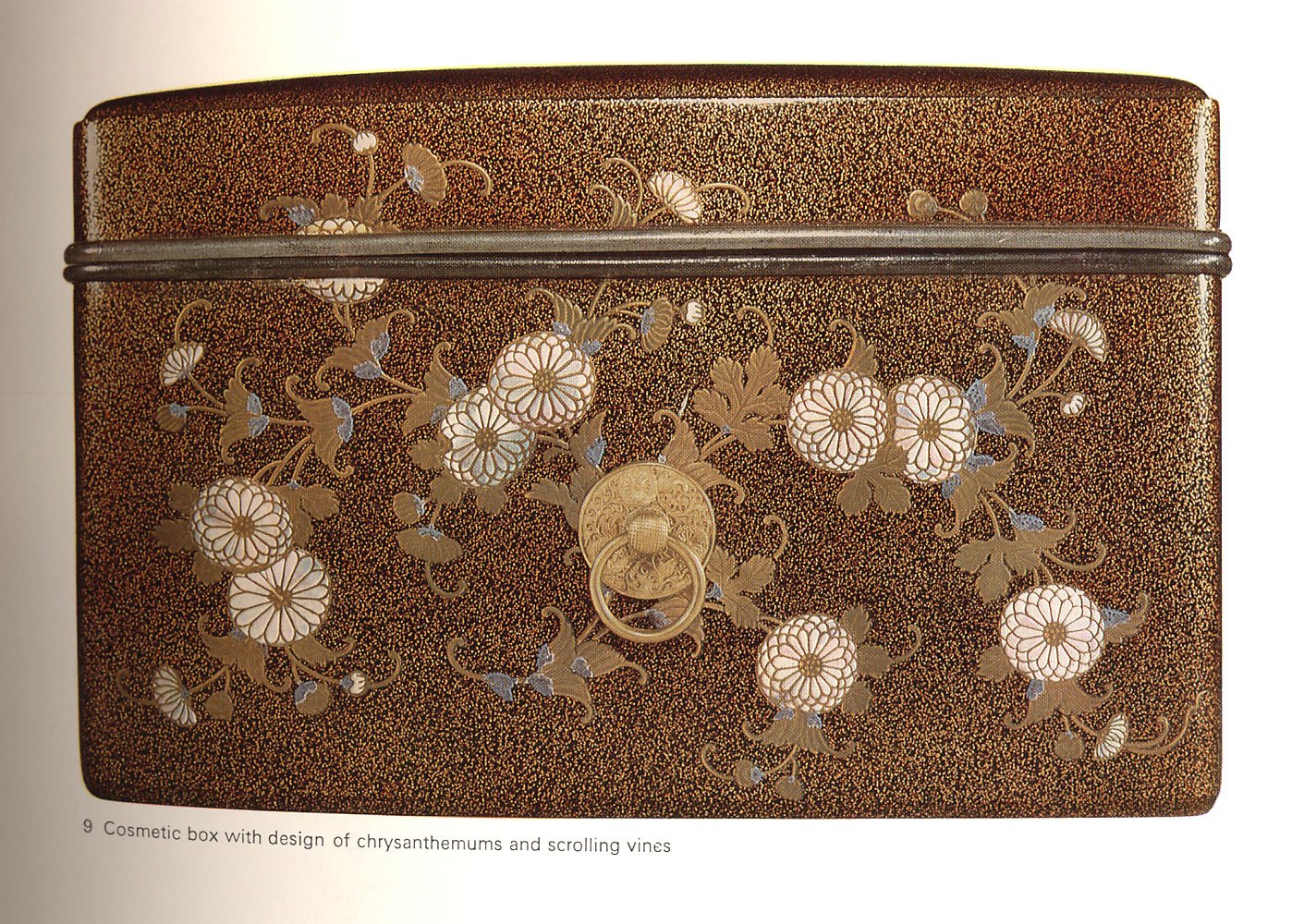
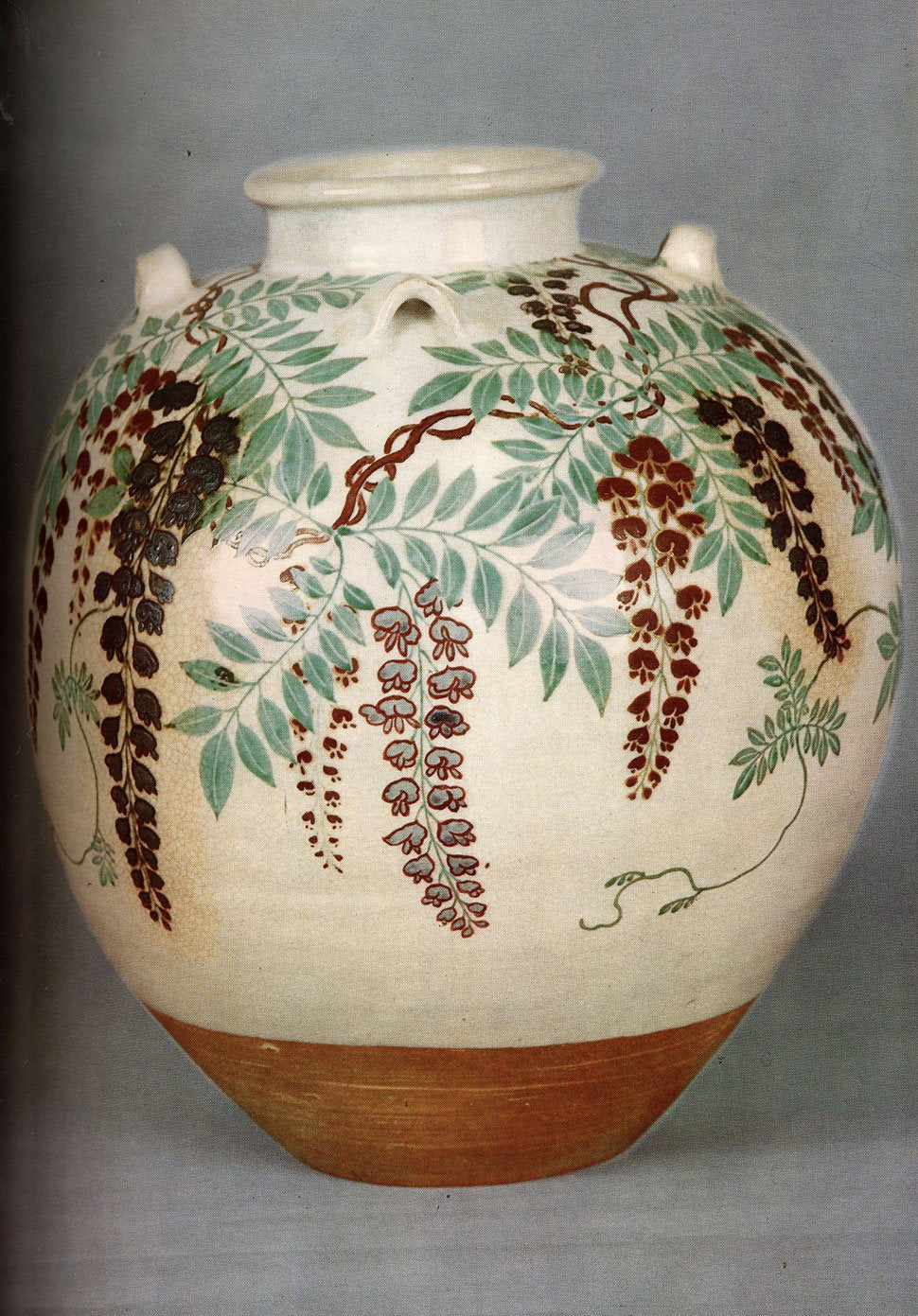
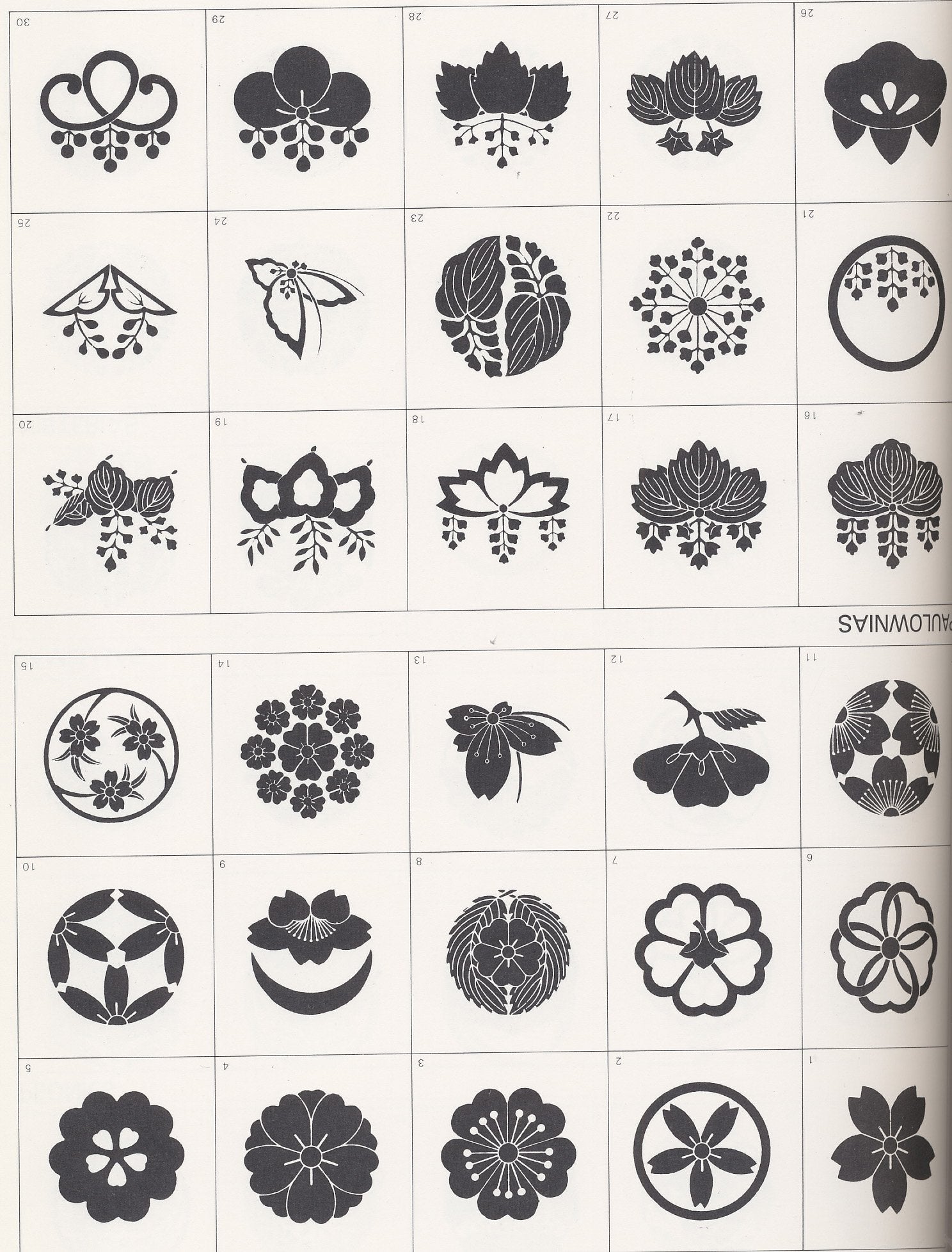
The art of Japan is at once an expression of the relative unity of Far Eastern culture and a sophisticated metamorphosis of native aesthetic canons that has produced an international style as distinctive as the Rococo and the Islamic. In a brilliant crystallization of the essence of Japanese design, Dr. Sherman Lee, one of the foremost authorities in the field, recalls the supremacy of Chinese civilization in Asian culture, and reveals, first, how the Far Eastern situation differed from that of the Western world, and then, in light of this, how the Japanese came to assert their own aesthetic inclinations. Dr. Lee's lucid analysis, substantiated by the finest examples of Japanese art (32 color plates, 800 blackandwhite plates, including 17 pages of Japanese mon, or family crests), offers a stimulating discussion of how Japanese art differs from Chinese, going beyond mere generalities to the quintessence of Japanese aesthetic design.According to Dr. Lee, the Japanese eye delights in asymmetry, intuitive placement, subtle shades and combinations of colors, as compared to the Chinese proclivity toward balance, rational sequence, and purity and separation of colors. The vocabulary of Japanese design is distinguished by the dominance of asymmetric composition, the dominance of the material over the carefully reticent hand of the artist, the dominance of pattern and of motif, often traditional and with literary overtones.More than an essay about art divorced from culture, Dr. Lee's sensitive introductory text acknowledges the role of the natural and social environment upon the Japanese psyche. His chronological treatment examines the maturation of a sumptuous decorative style that finds its antecedents in Yamatoe of the Fujiwara Period (8971185). Enhanced by the tea taste of the Momoyama Period (15731615), this culminated in the splendid Rimpa style which today still colors the aesthetic sense of modern Japanese. In addition, he discusses the place of ukiyoe and garden art to present a full consideration of the distinctive vocabulary and singular spirit of Japanese design.
⚠️ WARNING (California Proposition 65):
This product may contain chemicals known to the State of California to cause cancer, birth defects, or other reproductive harm.
For more information, please visit www.P65Warnings.ca.gov.