
Title
The German Awakening: Protestant Renewal after the Enlightenment, 18151848 (Oxford Studies in Historical Theology),Used
Sold by Ergodebooks, an authorized reseller.
Returns accepted within 30 days | support@ergodebooks.com
Shipping Information
- Free Standard Shipping — United States only
- Processing Time: 3–5 business days
- Estimated Delivery: 6–10 business days after dispatch
- Double-boxed, fully insured & discreetly packaged
- Tracking number sent via email once dispatched
Returns & Refund
Returns accepted within 30 days of delivery.
Damaged or Defective Item
Free return shipping + replacement or full refund
Wrong Item Received
Free return shipping + replacement or full refund
Change of Mind
Return shipping at customer's expense · 25% restocking fee applies
Payment Option

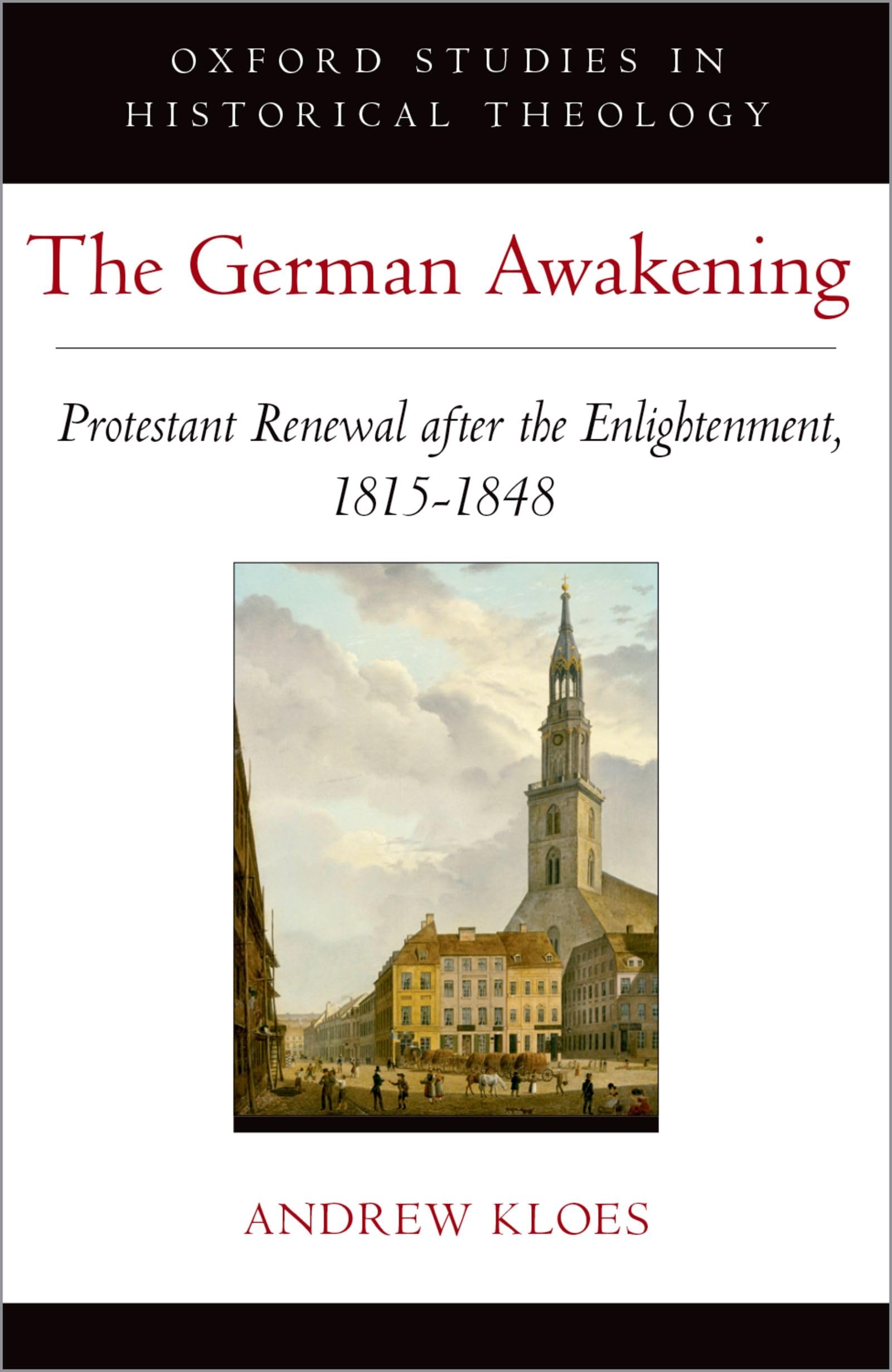
Historians of modern German culture and church history refer to "the Awakening movement" (die Erweckungsbewegung) to describe a period in the history of German Protestantism between the end of the Napoleonic Wars in 1815 and the Revolution of 1848. "The Awakening" was the last major nationwide Protestant reform and revival movement to occur in Germany. This book analyzes numerous primary sources from the era of the Awakening and synthesizes the current state of German scholarship for an Englishspeaking audience. It examines the Awakening as a product of the larger social changes that were reshaping German society during the early decades of the nineteenth century. Theologically, Awakened Protestants were traditionalists. They affirmed religious doctrines that orthodox Protestants had professed since the confessional statements of the Reformationera. Awakened Protestants rejected the changes that Enlightenment thought had introduced into Protestant theology and preaching since the mideighteenth century. However, Awakened Protestants were also themselves distinctly modern. Their efforts to spread their religious beliefs were successful because of the new political freedoms and economic opportunities that the Enlightenment had introduced. These social conditions gave German Protestants new means and abilities to pursue their religious goals. Awakened Protestants were leaders in the German churches and in the universities. They used their influence to found many voluntary organizations for evangelism, in Germany and abroad. They also established many institutions to ameliorate the living conditions of those in poverty. Adapting Protestantism to modern society in these ways was the most original and innovative aspect of the Awakening movement.
⚠️ WARNING (California Proposition 65):
This product may contain chemicals known to the State of California to cause cancer, birth defects, or other reproductive harm.
For more information, please visit www.P65Warnings.ca.gov.