
Title
The Ghosts Of Modernity (Crosscurrents:Comparative Studies In European Literature And Philosophy),Used
Sold by Ergodebooks, an authorized reseller.
Returns accepted within 30 days | support@ergodebooks.com
Shipping Information
- Free Standard Shipping — United States only
- Processing Time: 3–5 business days
- Estimated Delivery: 6–10 business days after dispatch
- Double-boxed, fully insured & discreetly packaged
- Tracking number sent via email once dispatched
Returns & Refund
Returns accepted within 30 days of delivery.
Damaged or Defective Item
Free return shipping + replacement or full refund
Wrong Item Received
Free return shipping + replacement or full refund
Change of Mind
Return shipping at customer's expense · 25% restocking fee applies
Payment Option

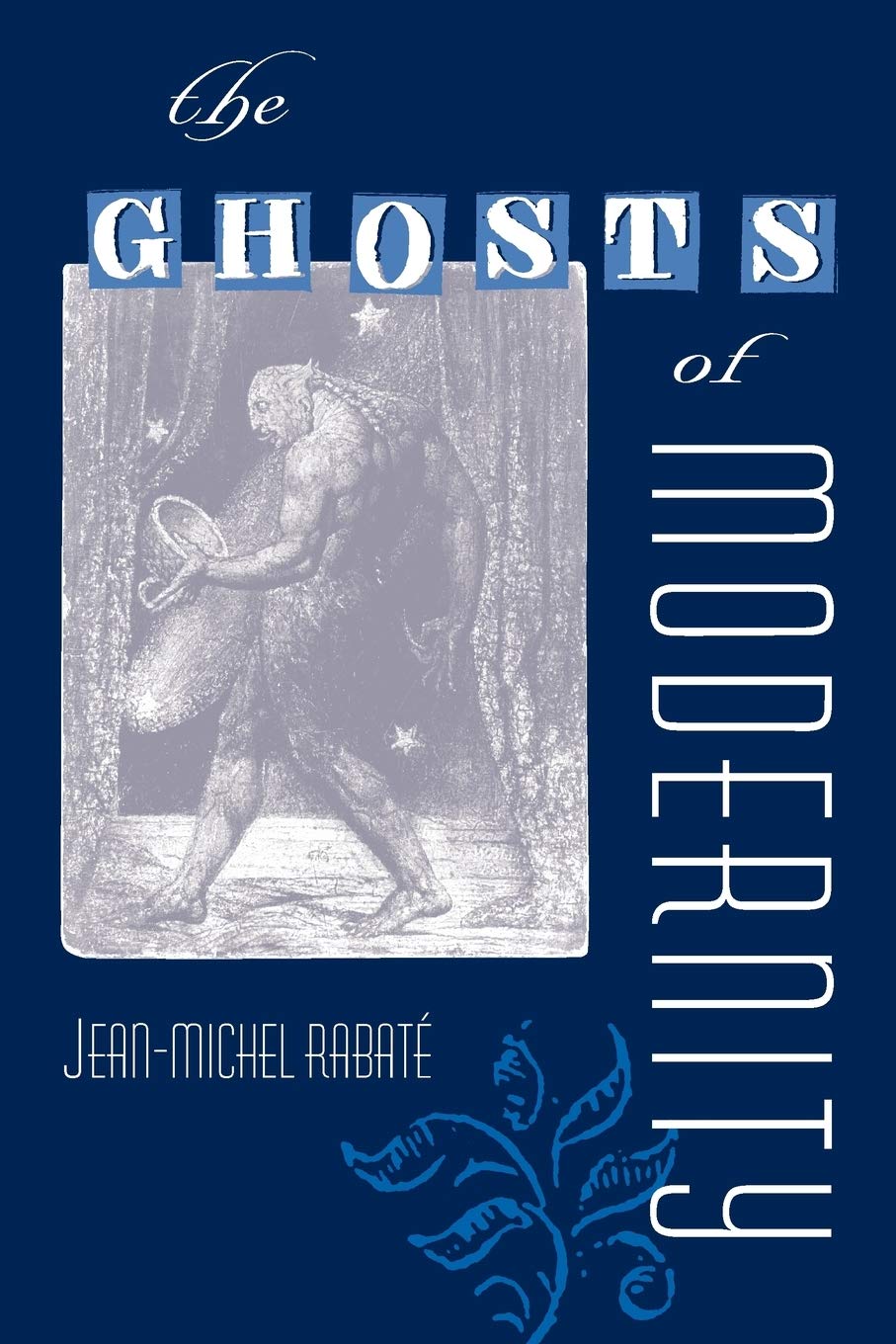
Rabat's strength is that he does not treat modernism as a monolith. The study's originality is in its close examination of several 'key' themes in several 'key' texts, almost all of which he reads autobiographically. . . . It is the pattern of these themes as well as the psychoanalytic method that holds these essays together. The result is a fresh look not at modernism as a whole, but at some central themes and images of the modernists.'S. E. Gontarski, Crosscurrents Series EditorJeanMichel Rabat, the eminent French Joycean, combines psychoanalytical and philosophical concepts in rereading the history of modernity to give a more precise meaning to the term 'modernism.'Rabat focuses throughout on a single theme, the ghostly nature of modernity. In writing a history of the concept of modernity with the awareness that the radically new has often been subject to the effects of the return of the repressed, Rabat analyzes the notion of loss in various fields: in Freudian aesthetics of color, in literary history, and in philosophy. The postmodernist fascination with a lost object allows a reconsideration of the boundaries of such terms as 'modernism' and 'postmodernism.'The conclusion ties together all these motifs, from Joyce to Barthes, together and shows their theoretical basis in Marx's criticism of ideology and in Freud's consideration of mourning. From the analysis of 'color' as an unthinkable object of discourse to an aesthetics of the unpresentable, Rabat points to the possibility of an 'ethics of mourning,' which would seem capable of overcoming the dead end of history whose ending condemns it to eternal repetition.This work will appeal to a wide community of scholars. Its strong French and continental emphasis has application in literary studies, particularly English, French, and comparative studies.
⚠️ WARNING (California Proposition 65):
This product may contain chemicals known to the State of California to cause cancer, birth defects, or other reproductive harm.
For more information, please visit www.P65Warnings.ca.gov.