
Title
The Golden Age of Indian Buddhist Philosophy in the First Millennium CE (The Oxford History of Philosophy),Used
Sold by Ergodebooks, an authorized reseller.
Returns accepted within 30 days | support@ergodebooks.com
Shipping Information
- Free Standard Shipping — United States only
- Processing Time: 3–5 business days
- Estimated Delivery: 6–10 business days after dispatch
- Double-boxed, fully insured & discreetly packaged
- Tracking number sent via email once dispatched
Returns & Refund
Returns accepted within 30 days of delivery.
Damaged or Defective Item
Free return shipping + replacement or full refund
Wrong Item Received
Free return shipping + replacement or full refund
Change of Mind
Return shipping at customer's expense · 25% restocking fee applies
Payment Option

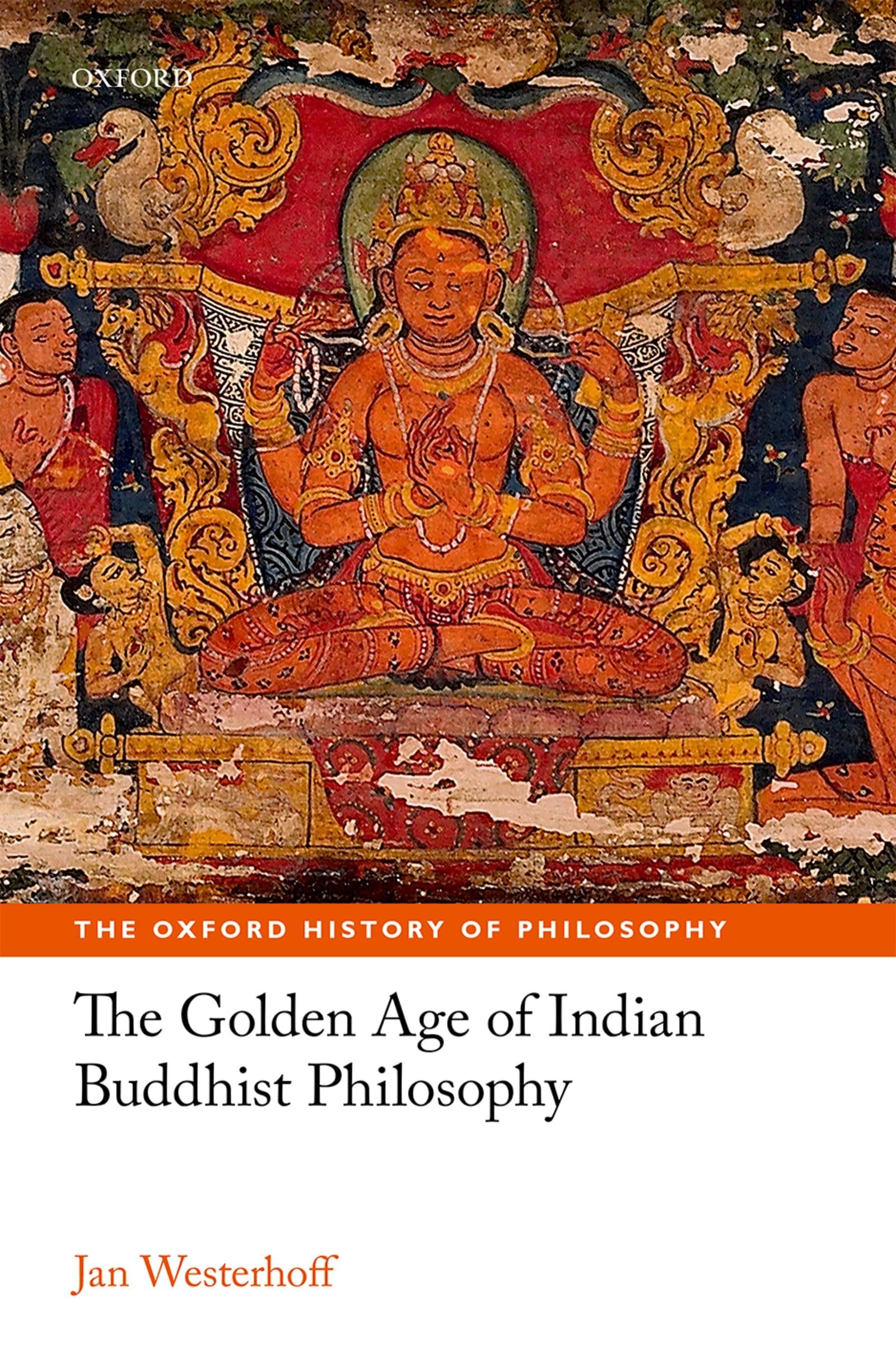
Jan Westerhoff unfolds the story of one of the richest episodes in the history of Indian thought, the development of Buddhist philosophy in the first millennium CE. He starts from the composition of the Abhidharma works before the beginning of the common era and continues up to the time of Dharmakirti in the sixth century. This period was characterized by the development of a variety of philosophical schools and approaches that have shaped Buddhist thought up to the present day: the scholasticism of the Abhidharma, the Madhyamaka's theory of emptiness, Yogacara idealism, and the logical and epistemological works of Dinnaga and Dharmakirti. The book attempts to describe the historical development of these schools in their intellectual and cultural context, with particular emphasis on three factors that shaped the development of Buddhist philosophical thought: the need to spell out the contents of canonical texts, the discourses of the historical Buddha and the Mahayana sutras; the desire to defend their positions by sophisticated arguments against criticisms from fellow Buddhists and from nonBuddhist thinkers of classical Indian philosophy; and the need to account for insights gained through the application of specific meditative techniques. While the main focus is the period up to the sixth century CE, Westerhoff also discusses some important thinkers who influenced Buddhist thought between this time and the decline of Buddhist scholastic philosophy in India at the beginning of the thirteenth century. His aim is that the historical presentation will also allow the reader to get a better systematic grasp of key Buddhist concepts such as nonself, suffering, reincarnation, karma, and nirvana.
⚠️ WARNING (California Proposition 65):
This product may contain chemicals known to the State of California to cause cancer, birth defects, or other reproductive harm.
For more information, please visit www.P65Warnings.ca.gov.
- Q: How many pages does the book have? A: The book has three hundred fifty-two pages. This extensive length allows for a thorough exploration of Buddhist philosophy.
- Q: What are the dimensions of the book? A: The book measures nine point twenty-nine inches in length, six point three inches in width, and zero point ninety-one inches in height. These dimensions make it a manageable size for reading.
- Q: What type of binding does the book have? A: The book is hardcover bound. This binding type enhances durability and makes it suitable for frequent use.
- Q: Who is the author of the book? A: The author is Jan Westerhoff. He is known for his expertise in Buddhist philosophy and has contributed significantly to the field.
- Q: What is the book about? A: The book discusses the development of Buddhist philosophy in the first millennium CE. It covers various philosophical schools and key thinkers who influenced Buddhist thought.
- Q: Is this book suitable for beginners in philosophy? A: Yes, this book is suitable for beginners. It provides a historical context that helps readers understand complex Buddhist concepts.
- Q: Can I use this book for academic purposes? A: Yes, this book is ideal for academic purposes. It is well-researched and includes various philosophical arguments that can support scholarly work.
- Q: Is the book appropriate for children? A: The book is not specifically aimed at children. Its complex themes may be more suitable for adult readers or older students.
- Q: How should I store this book? A: Store the book in a cool, dry place, standing upright on a shelf. This helps maintain its condition and prevents damage.
- Q: How do I clean this book? A: To clean the book, gently dust the cover with a soft cloth. Avoid using liquids or harsh chemicals that could damage the cover.
- Q: What should I do if the book arrives damaged? A: If the book arrives damaged, contact customer support for a return or replacement. They will guide you through the process.
- Q: Is there a warranty for this book? A: No, there is typically no warranty for books. However, you can check the return policy for any specific conditions.
- Q: Can I return the book if I don't like it? A: Yes, you can return the book if it is within the return policy timeframe. Make sure to keep the receipt for verification.
- Q: Does the book include any illustrations or images? A: No, the book does not include illustrations or images. It focuses on text to convey philosophical ideas.
- Q: How does this book compare to other books on Buddhist philosophy? A: This book offers a comprehensive historical approach. It stands out by emphasizing the intellectual context of Buddhist philosophy compared to more general texts.
- Q: Is the book available in other formats? A: Currently, the book is only available in hardcover format. There are no digital or paperback versions listed.