
Title
The Good Women Of The Parish: Gender And Religion After The Black Death (The Middle Ages Series),Used
Sold by Ergodebooks, an authorized reseller.
Returns accepted within 30 days | support@ergodebooks.com
Shipping Information
- Free Standard Shipping — United States only
- Processing Time: 3–5 business days
- Estimated Delivery: 6–10 business days after dispatch
- Double-boxed, fully insured & discreetly packaged
- Tracking number sent via email once dispatched
Returns & Refund
Returns accepted within 30 days of delivery.
Damaged or Defective Item
Free return shipping + replacement or full refund
Wrong Item Received
Free return shipping + replacement or full refund
Change of Mind
Return shipping at customer's expense · 25% restocking fee applies
Payment Option

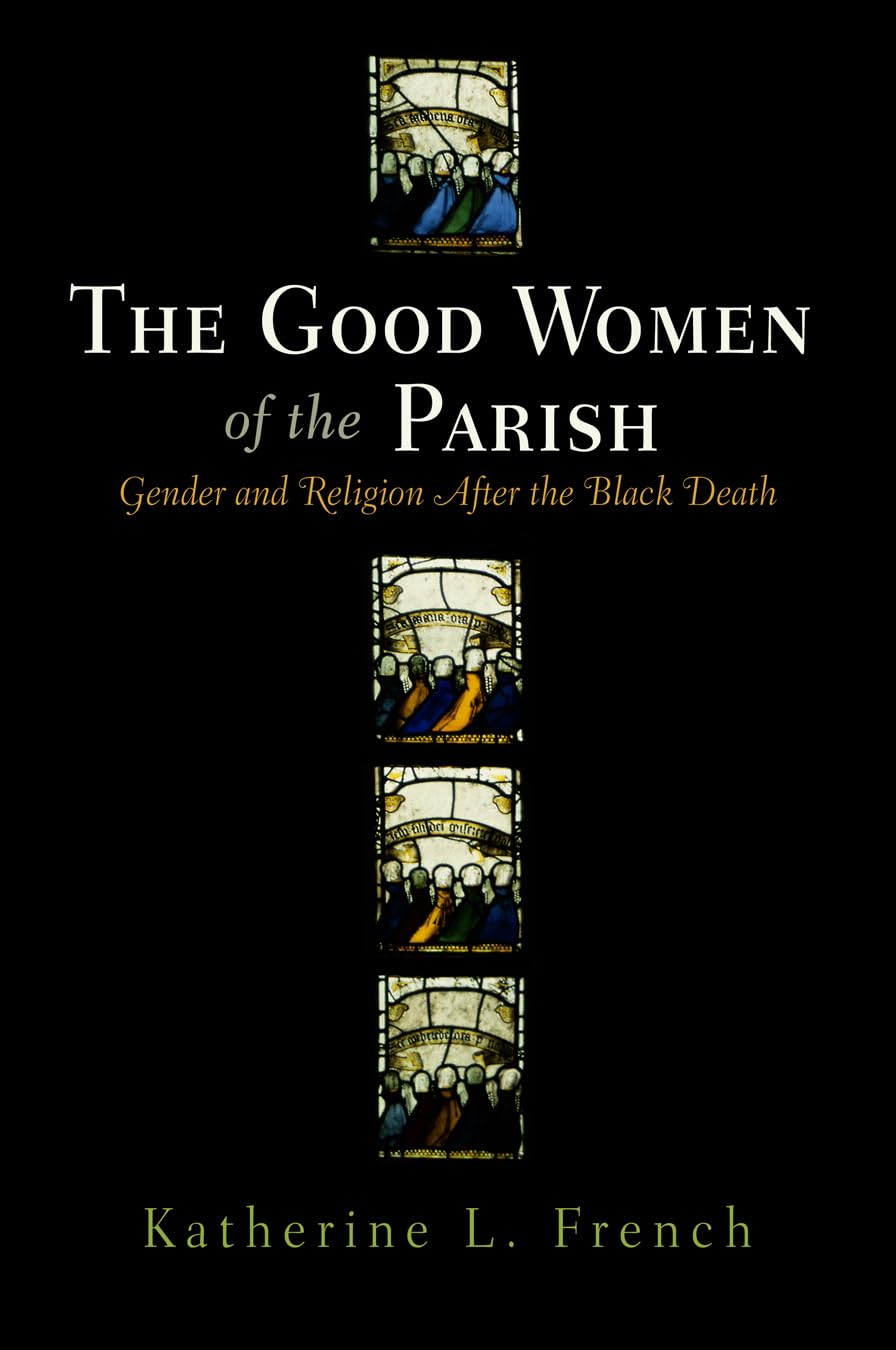
There was immense social and economic upheaval between the Black Death and the English Reformation, and contemporary writers often blamed this upheaval on immorality, singling out women's behavior for particular censure. Late medieval moral treatises and sermons increasingly connected good behavior for women with Christianity, and their failure to conform to sin. Katherine L. French argues, however, that medieval laywomen both coped with the chaotic changes following the plague and justified their own changing behavior by participating in local religion. Through active engagement in the parish church, the basic unit of public worship, women promoted and validated their own interests and responsibilities.Scholarship on medieval women's religious experiences has focused primarily on elite women, nuns, and mystics who either were literate enough to leave written records of their religious ideas and behavior or had access to literate men who did this for them. Most women, however, were not literate, were not members of religious orders, and did not have private confessors. As The Good Women of the Parish shows, the great majority of women practiced their religion in a parish church. By looking at women's contributions to parish maintenance, the ways they shaped the liturgy and church seating arrangements, and their increasing opportunities for collective action in allwomen's groups, the book argues that gendered behavior was central to parish life and that women's parish activities gave them increasing visibility and even, on occasion, authority. In the face of demands for silence, modesty, and passivity, women of every social status used religious practices as an important source of selfexpression, creativity, and agency.
⚠️ WARNING (California Proposition 65):
This product may contain chemicals known to the State of California to cause cancer, birth defects, or other reproductive harm.
For more information, please visit www.P65Warnings.ca.gov.