If you have any questions, you are always welcome to contact us. We'll get back to you as soon as possible, withing 24 hours on weekdays.
Customer service
All questions about your order, return and delivery must be sent to our customer service team by e-mail at yourstore@yourdomain.com
Sale & Press
If you are interested in selling our products, need more information about our brand or wish to make a collaboration, please contact us at press@yourdomain.com
Help
If you have any questions, you are always welcome to contact us. We'll get back to you as soon as possible, withing 24 hours on weekdays.
Customer service
All questions about your order, return and delivery must be sent to our customer service team by e-mail at yourstore@yourdomain.com
Sale & Press
If you are interested in selling our products, need more information about our brand or wish to make a collaboration, please contact us at press@yourdomain.com
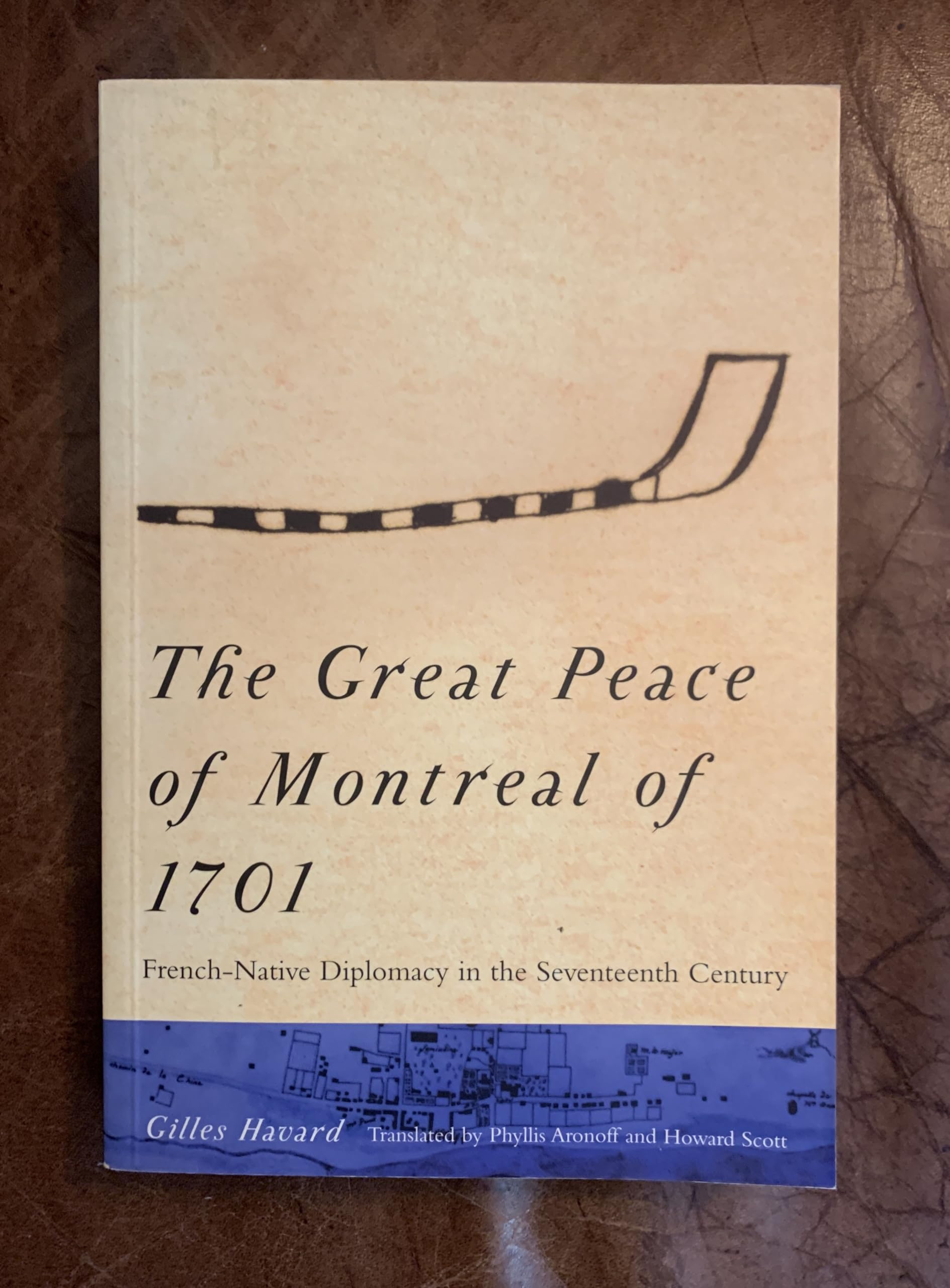
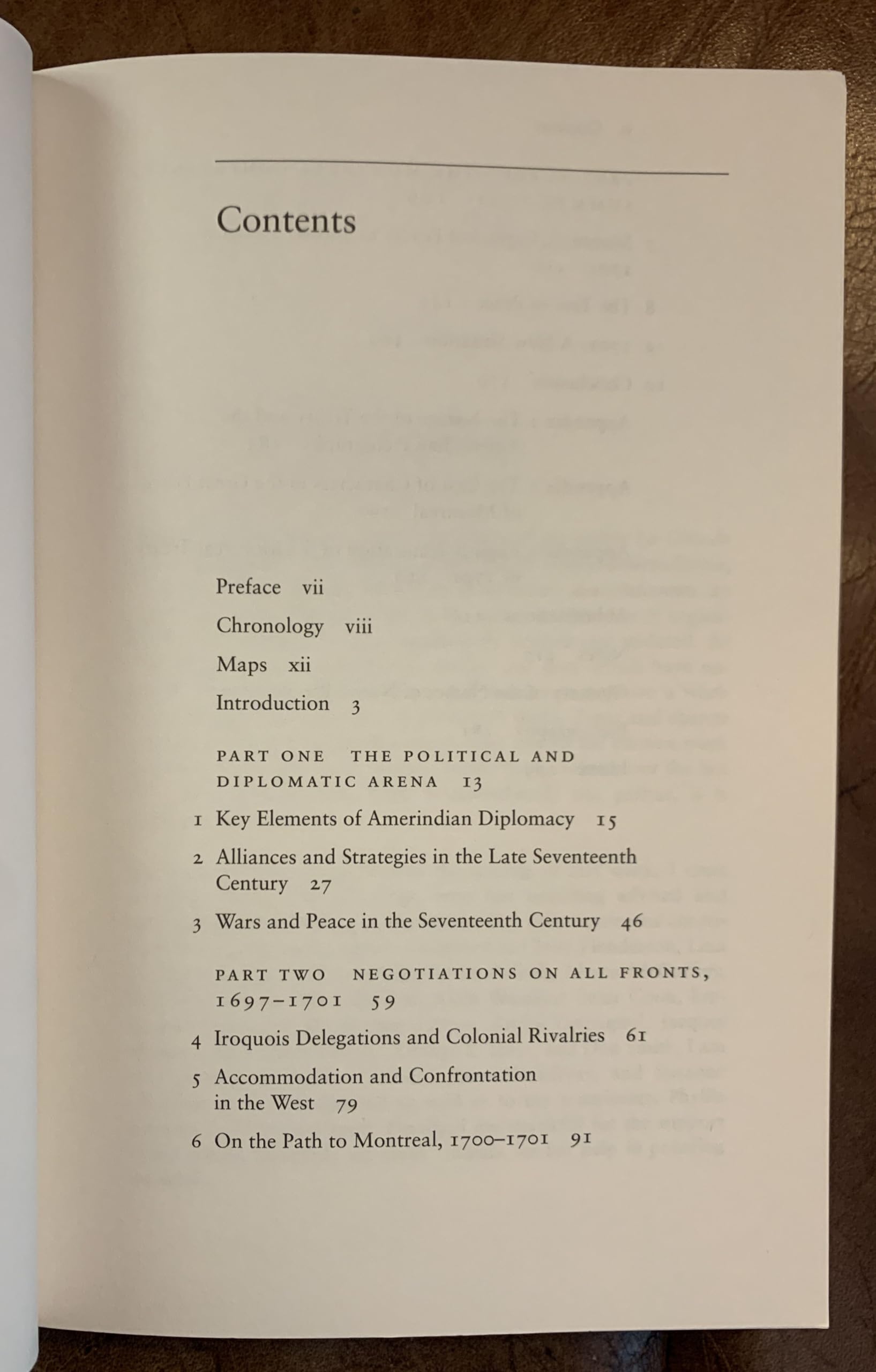
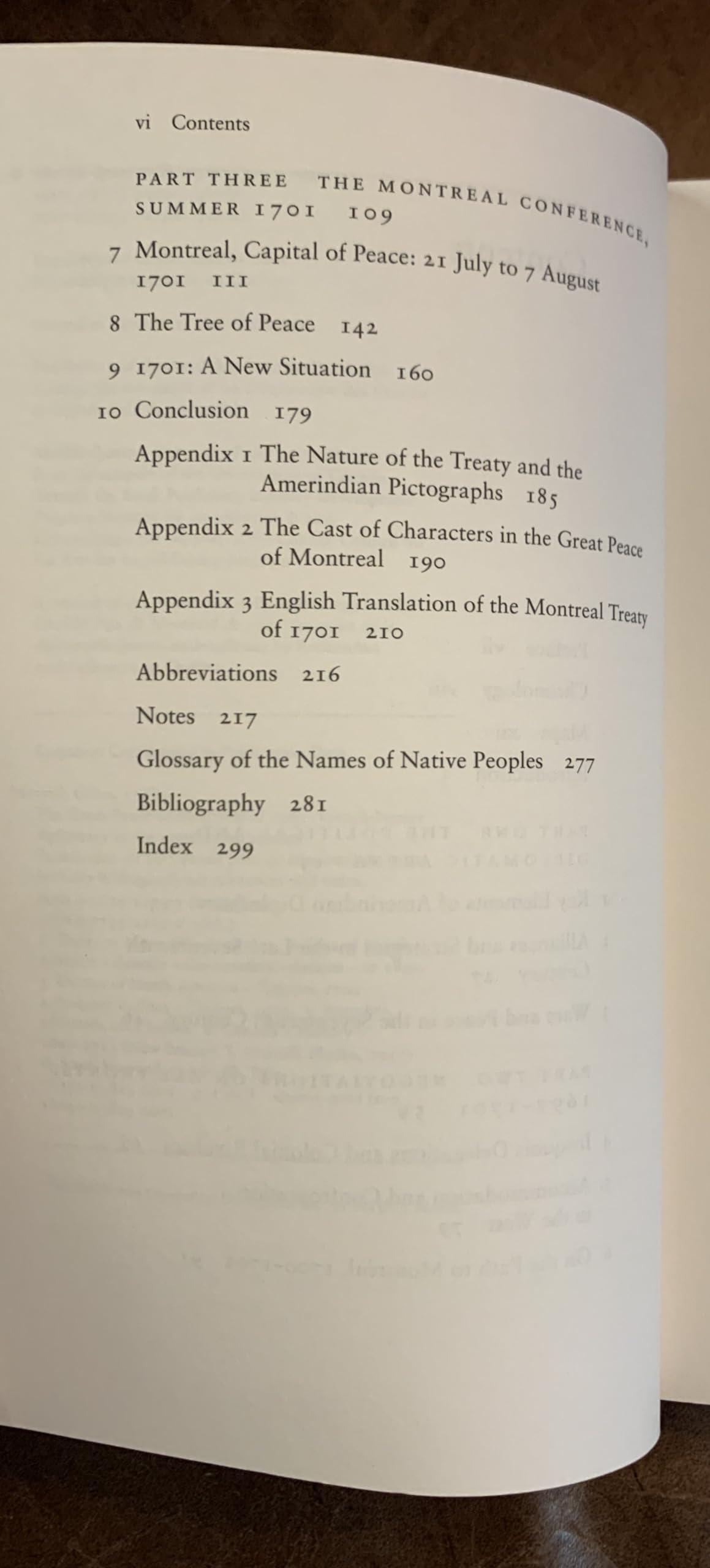
The last decades of the seventeenth century were marked by persistent, bloody conflicts between the French and their Native allies on the one side and the Iroquois confederacy on the other. In the summer of 1701, 1,300 representatives of forty First Nations from the Maritimes to the Great Lakes and from James Bay to southern Illinois met with the French at Montreal. Elaborate, monthlong ceremonies culminated in the signing of The Great Peace of Montreal, which effectively put an end to the Iroquois wars. In The Great Peace of Montreal of 1701 Gilles Havard brings to life the European and Native players who brought about this major feat of international diplomacy. He highlights the differing interests and strategies of the numerous First Nations involved while giving a dramatic account of the colourful conference. The treaty, Havard argues, was the culmination of the French colonial strategy of Native alliances and adaptation to Native political customs. It illustrates the extent of cultural interchange between the French and their Native allies and the crucial role the latter played in French conflicts with the Iroquois and the British. As we approach the 300th anniversary of the treaty's signing in August 1701, Gilles Havard emphasizes its contemporary significance: in signing a treaty with forty separate parties the French recognized the independent sovereignty of every First Nation. This translation is significantly revised and updated from the original French publication of 1992.
⚠️ WARNING (California Proposition 65):
This product may contain chemicals known to the State of California to cause cancer,
birth defects, or other reproductive harm.
For MAP (Minimum Advertised Price) violations and Intellectual Property (IP) or Trademark concerns, please contact:
support@ergodebooks.com
⚠️ California Proposition 65 Warning: Some products sold on this website may expose you to chemicals known to the State of California to cause cancer, birth defects, or other reproductive harm. For more information, visit www.P65Warnings.ca.gov.