
Title
The Great Starvation Experiment: Ancel Keys And The Men Who Starved For Science,Used
Sold by Ergodebooks, an authorized reseller.
Returns accepted within 30 days | support@ergodebooks.com
Shipping Information
- Free Standard Shipping — United States only
- Processing Time: 3–5 business days
- Estimated Delivery: 6–10 business days after dispatch
- Double-boxed, fully insured & discreetly packaged
- Tracking number sent via email once dispatched
Returns & Refund
Returns accepted within 30 days of delivery.
Damaged or Defective Item
Free return shipping + replacement or full refund
Wrong Item Received
Free return shipping + replacement or full refund
Change of Mind
Return shipping at customer's expense · 25% restocking fee applies
Payment Option

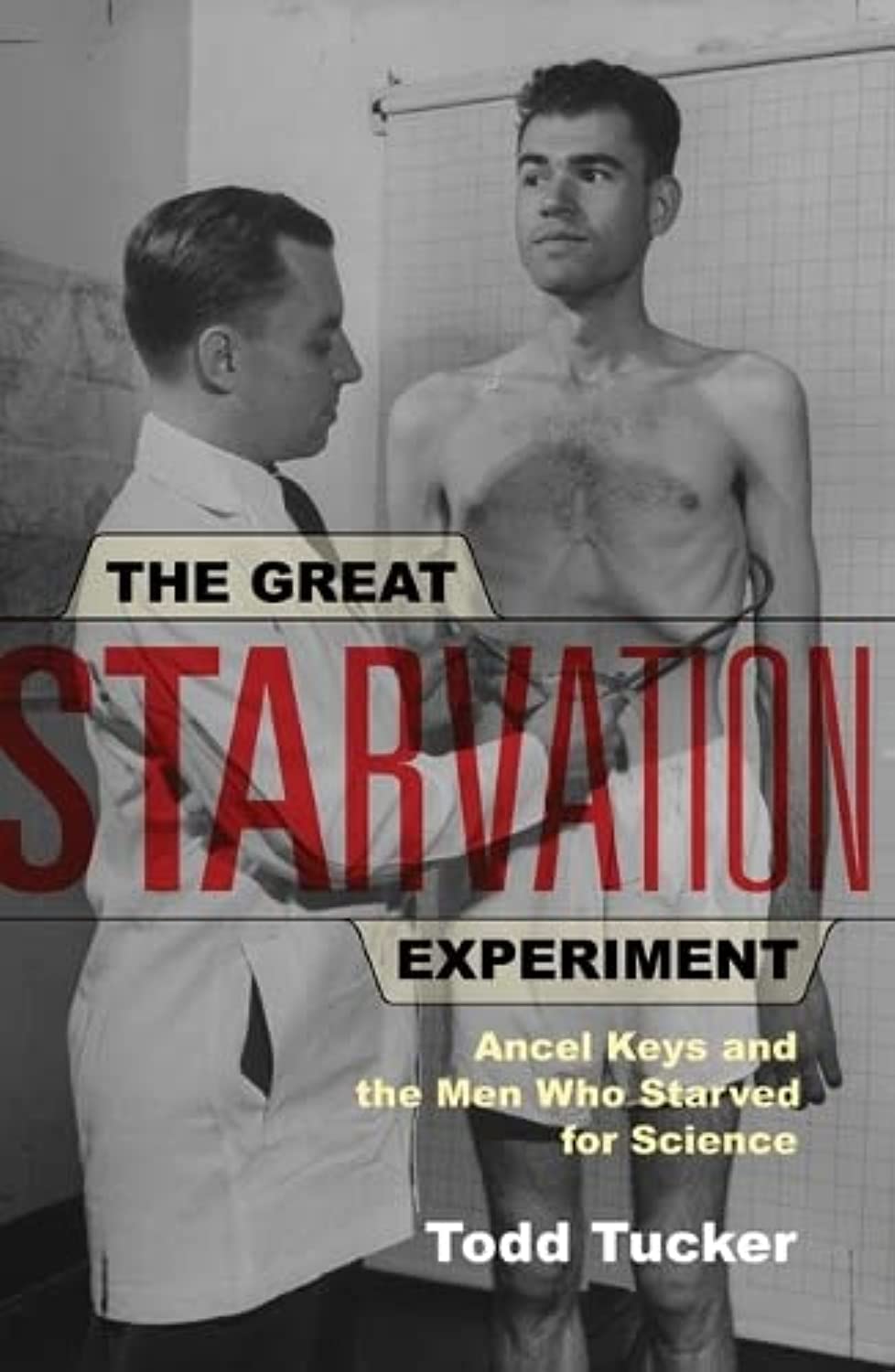
The Great Starvation Experiment is wideranging, weaving progress in the war into the daytoday suffering of the hungry volunteers. Saint Paul Pioneer PressFascinating . . . Minneapolis Star TribuneNear the end of World War II, thirtysix conscientious objectors volunteered to be systematically starved for renowned scientist Ancel Keyss study at the University of Minnesota in the basement of Memorial Stadium. Aimed to benefit relief efforts in warravaged Europe and Asia, the study sought the best way to rehabilitate starving citizens. Tucker captures a lost moment in American historya time when stanch idealism and a deep willingness to sacrifice trumped even basic human needs.Tucker provides a fascinating and moving history of the experiment, centering on the lives and experiences of the volunteers and the formidable obstacles they overcame. Tucker tells the story with verve and economy. . . . Keys, his experiment and his 36 starving men form a compelling combination. Publishers WeeklyTodd Tucker is the author of several books, including Notre Dame vs. the Klan: How the Fighting Irish Defeated the Ku Klux Klan (2004). He served on the legendary Navy submarine USS Alabama before moving to Valparaiso, Indiana.
⚠️ WARNING (California Proposition 65):
This product may contain chemicals known to the State of California to cause cancer, birth defects, or other reproductive harm.
For more information, please visit www.P65Warnings.ca.gov.
- Q: What is the page count of the book? A: This book has two hundred eighty-eight pages. It provides a comprehensive exploration of a unique historical experiment.
- Q: What are the dimensions of this book? A: The book measures five point eight eight inches in length, zero point seven one inches in width, and nine point zero two inches in height. These dimensions make it convenient for reading and storage.
- Q: What is the binding type of this book? A: This book is a paperback edition. Paperback bindings are flexible and lightweight, making them easy to carry.
- Q: Who is the author of this book? A: The author of this book is Todd Tucker. He is known for his engaging writing style and thorough research.
- Q: What genre does this book belong to? A: This book falls under the category of State & Local history. It delves into a significant moment in American history.
- Q: What is the primary focus of the book? A: The book focuses on an experiment conducted during World War II involving conscientious objectors. It explores the ethical implications and personal experiences of the volunteers.
- Q: Is this book suitable for all ages? A: Yes, the book is suitable for a general audience. However, it may be more appreciated by readers interested in history and ethical studies.
- Q: How can I use this book for research? A: You can use this book as a historical reference for studies on ethics in scientific research and wartime history. It provides valuable insights and context.
- Q: What should I consider when reading this book? A: Consider the historical context of World War II and the ethical dilemmas faced during the experiment. This background enriches the reading experience.
- Q: How should I store this book to keep it in good condition? A: Store the book upright in a cool, dry place. Avoid exposing it to direct sunlight to prevent fading and damage to the cover.
- Q: Can I clean this book if it gets dirty? A: Yes, you can clean the book gently with a soft, dry cloth. Avoid using liquids that could damage the pages.
- Q: What if I receive a damaged copy of the book? A: If you receive a damaged copy, you should contact the seller immediately for a return or exchange. Most sellers have return policies in place.
- Q: Is the book a good choice for book clubs? A: Yes, this book is an excellent choice for book clubs. It prompts significant discussions about ethics, historical context, and human experiences.
- Q: How does this book compare to other historical narratives? A: This book offers a unique perspective on scientific ethics during wartime, distinguishing it from other historical narratives that may focus solely on military events.
- Q: What makes this book unique? A: The book is unique because it highlights the human aspect of a scientific study, showcasing the volunteers' sacrifices and moral dilemmas.
- Q: Is there a glossary or index in the book? A: No, this book does not include a glossary or index. However, it is well-organized and easy to follow.