
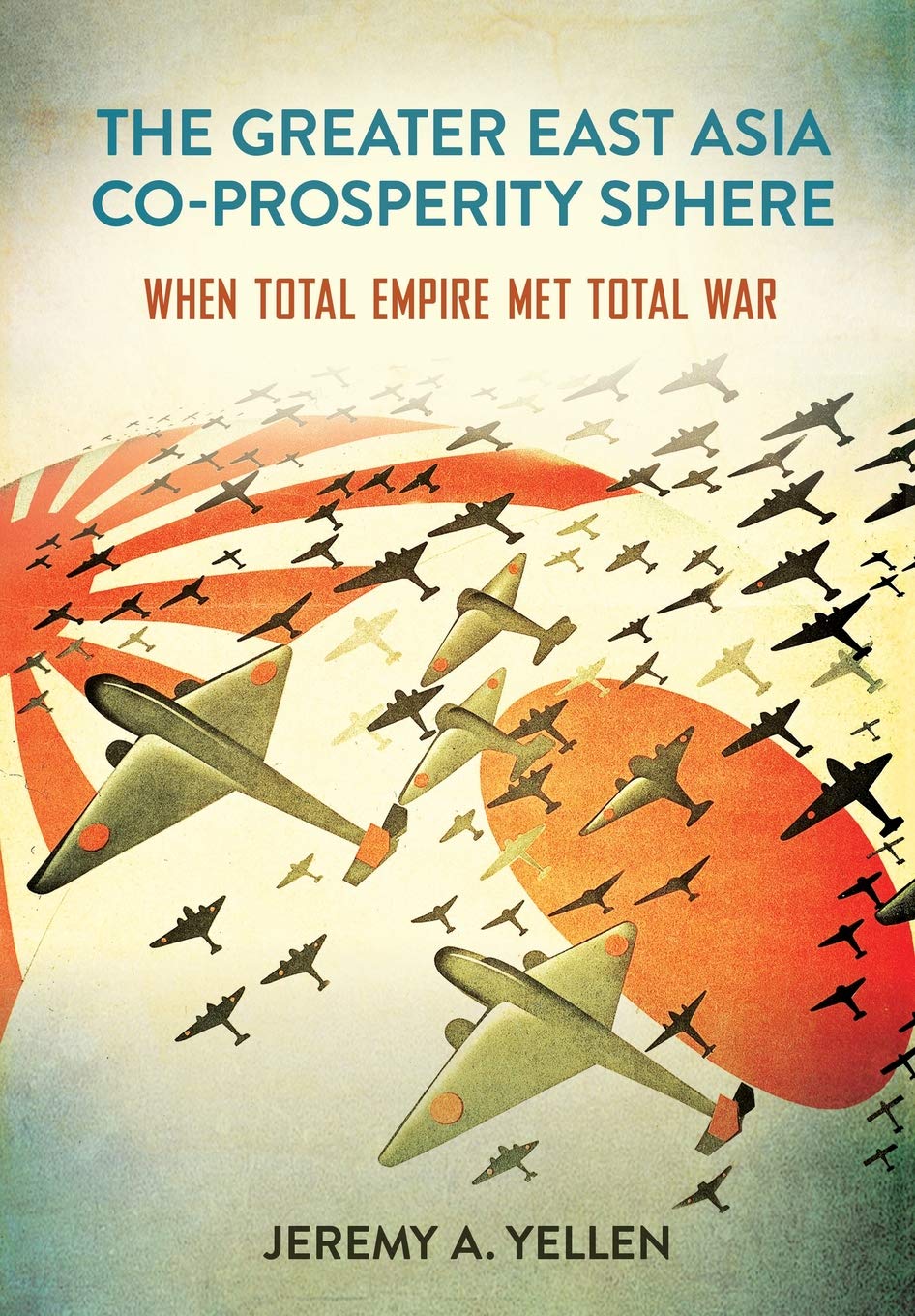
Title
The Greater East Asia CoProsperity Sphere: When Total Empire Met Total War (Studies of the Weatherhead East Asian Institute, Co,Used
Sold by Ergodebooks, an authorized reseller.
Returns accepted within 30 days | support@ergodebooks.com
Shipping Information
- Free Standard Shipping — United States only
- Processing Time: 3–5 business days
- Estimated Delivery: 6–10 business days after dispatch
- Double-boxed, fully insured & discreetly packaged
- Tracking number sent via email once dispatched
Returns & Refund
Returns accepted within 30 days of delivery.
Damaged or Defective Item
Free return shipping + replacement or full refund
Wrong Item Received
Free return shipping + replacement or full refund
Change of Mind
Return shipping at customer's expense · 25% restocking fee applies
Payment Option

The Greater East Asia CoProsperity Sphere offers a lucid, dynamic, and highly readable history of Japan's attempt to usher in a new order in Asia during World War II.' CrossCurrents: East Asian History and Culture ReviewIn The Greater East Asia CoProsperity Sphere, Jeremy A. Yellen exposes the history, politics, and intrigue that characterized the era when Japan's 'total empire' met the total war of World War II. He illuminates the ways in which the imperial center and its individual colonies understood the concept of the Sphere, offering two sometimes competing, sometimes complementary, and always intertwined visionsone from Japan, the other from Burma and the Philippines.Yellen argues that, from 1940 to 1945, the Greater East Asia CoProsperity Sphere epitomized two concurrent wars for Asia's future: the first was for a new type of empire in Asia, and the second was a political war, waged by nationalist elites in the colonial capitals of Rangoon and Manila. Exploring Japanese visions for international order in the face of an everchanging geopolitical situation, The Greater East Asia CoProsperity Sphere explores wartime Japan's desire to shape and control its imperial future while its colonies attempted to do the same. At Japan's zenith as an imperial power, the Sphere represented a plan for regional domination; by the end of the war, it had been recast as the epitome of cooperative internationalism. In the end, the Sphere could not survive wartime defeat, and Yellen's lucidly written account reveals much about the desires of Japan as an imperial and colonial power, as well as the ways in which the subdued colonies in Burma and the Philippines jockeyed for agency and a say in the future of the region.
⚠️ WARNING (California Proposition 65):
This product may contain chemicals known to the State of California to cause cancer, birth defects, or other reproductive harm.
For more information, please visit www.P65Warnings.ca.gov.