
Title
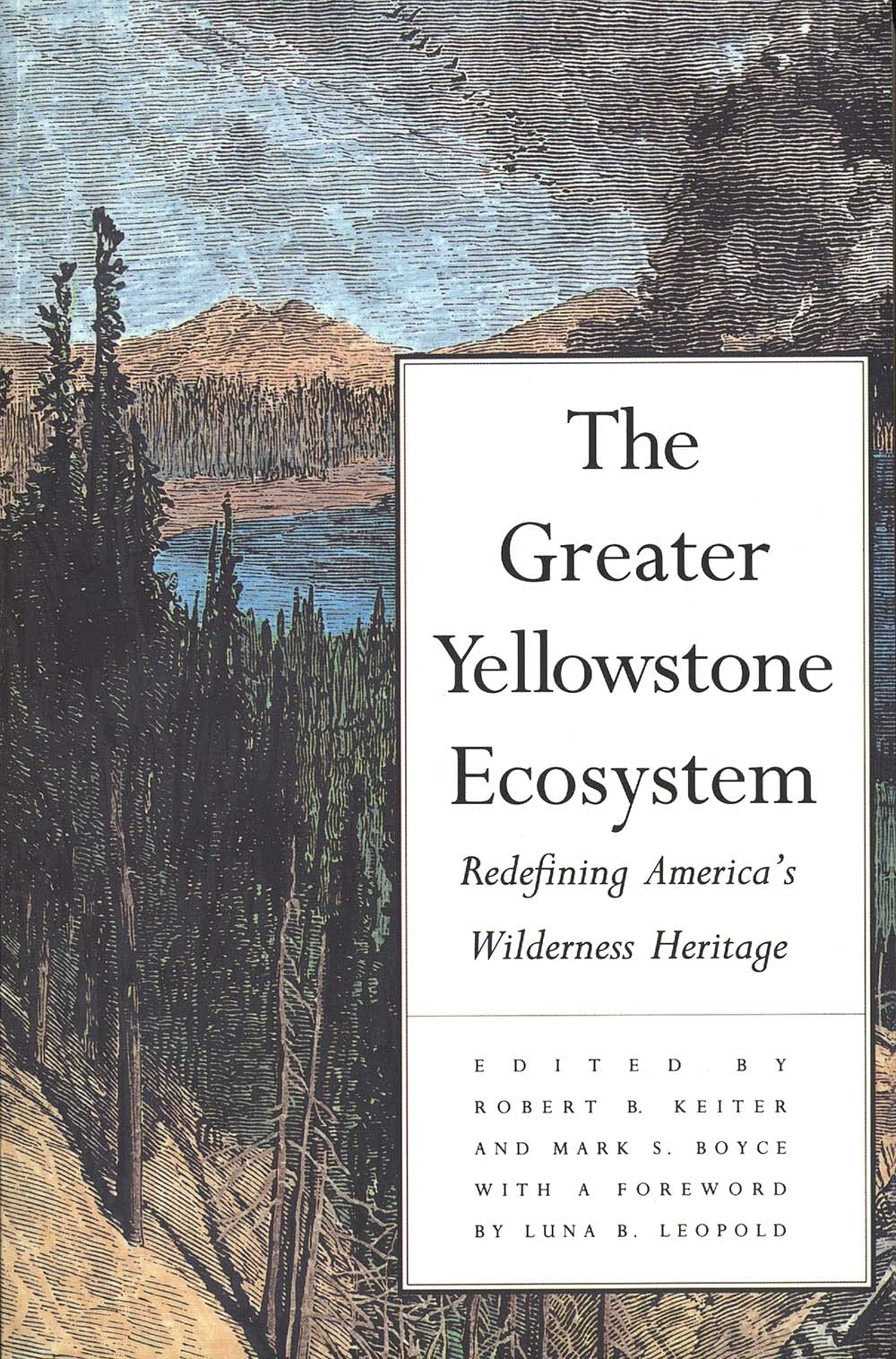
The Greater Yellowstone Ecosystem: Redefining Americas Wilderness Heritage
Sold by Ergodebooks, an authorized reseller.
Returns accepted within 30 days | support@ergodebooks.com
Shipping Information
- Free Standard Shipping — United States only
- Processing Time: 3–5 business days
- Estimated Delivery: 6–10 business days after dispatch
- Double-boxed, fully insured & discreetly packaged
- Tracking number sent via email once dispatched
Returns & Refund
Returns accepted within 30 days of delivery.
Damaged or Defective Item
Free return shipping + replacement or full refund
Wrong Item Received
Free return shipping + replacement or full refund
Change of Mind
Return shipping at customer's expense · 25% restocking fee applies
Payment Option

In 1872 Congress designated Yellowstone National Park as the worlds first national park; nineteen years later, the land adjacent to Yellowstone became Americas first national forest reserve. Since that time, the entire Yellowstone region has been the scene of major battles over resource managementdebates between those who would use the land for extraction of national resources (mining, lumbering, and hunting, for example) and those who believe that wildlife and recreation should dominate land use.In this book, experts in science, economics, and law discuss key resource management issues in the greater Yellowstone ecosystem, using them as a starting point to debate the manner in which humans should interact with the environment of this area. Some authors reflect upon the summer 1988 fires at Yellowstone and review the role and effect of fire in the ecosystem. Others offer opinions on appropriate management of elk and bison, key attractions to Yellowstone since its inception. Still others address the question of whether wolvesnow a missing component of the Yellowstone ecosystemshould be restored to the region. A final essay by editors Robert B. Keiter and Mark S. Boyce suggests how ecosystem management principles will affect Greater Yellowstones future and how an ecological process management philosophy might be implemented.This important book, which includes special archival photographs of the Yellowstone area, will be the major source of information on this land for years to come. It is also valuable for all who are interested in how wildlands throughout the world can be preserved in their natural state in the face of accelerating human encroachment. .
⚠️ WARNING (California Proposition 65):
This product may contain chemicals known to the State of California to cause cancer, birth defects, or other reproductive harm.
For more information, please visit www.P65Warnings.ca.gov.
- Q: What is the format of this book? A: This book is a paperback edition. It provides a durable and flexible option for readers interested in the subject.
- Q: How many pages does this book have? A: This book has four hundred forty-two pages. It offers a comprehensive exploration of the Greater Yellowstone Ecosystem.
- Q: What are the dimensions of this book? A: The dimensions of this book are nine point twenty-one inches in length, six point eleven inches in width, and one point forty-two inches in height.
- Q: Who is the author of this book? A: The author of this book is Robert B. Keiter. He is an expert in resource management and ecology.
- Q: What category does this book fall under? A: This book falls under the Economics category. It discusses resource management issues related to the Yellowstone region.
- Q: How do I read this book? A: You can read this book by opening it and following the text from the beginning to the end. It's designed for anyone interested in environmental management.
- Q: Is this book suitable for students? A: Yes, this book is suitable for students, particularly those studying environmental science, economics, or resource management.
- Q: Can this book be used for research? A: Yes, this book is an excellent resource for research on the Greater Yellowstone Ecosystem and land management issues.
- Q: Does this book include illustrations? A: Yes, this book includes special archival photographs of the Yellowstone area. These visuals enhance the understanding of the content.
- Q: What should I do to keep this book in good condition? A: To keep this book in good condition, store it in a cool, dry place and avoid exposing it to direct sunlight.
- Q: Is this book safe for all ages? A: Yes, this book is safe for all ages. It focuses on ecological topics that are educational and informative.
- Q: Should I be concerned about any hazardous materials in this book? A: No, there are no hazardous materials in this book. It is printed with standard publishing materials.
- Q: What if I receive a damaged copy of this book? A: If you receive a damaged copy of this book, contact the seller for return options or replacement procedures.
- Q: How does this book compare to other environmental books? A: This book offers a unique perspective on the Greater Yellowstone Ecosystem, making it distinct from other environmental literature.
- Q: Is there a warranty for this book? A: Typically, books do not come with a warranty. However, check the seller's return policy for specific information.