
Title
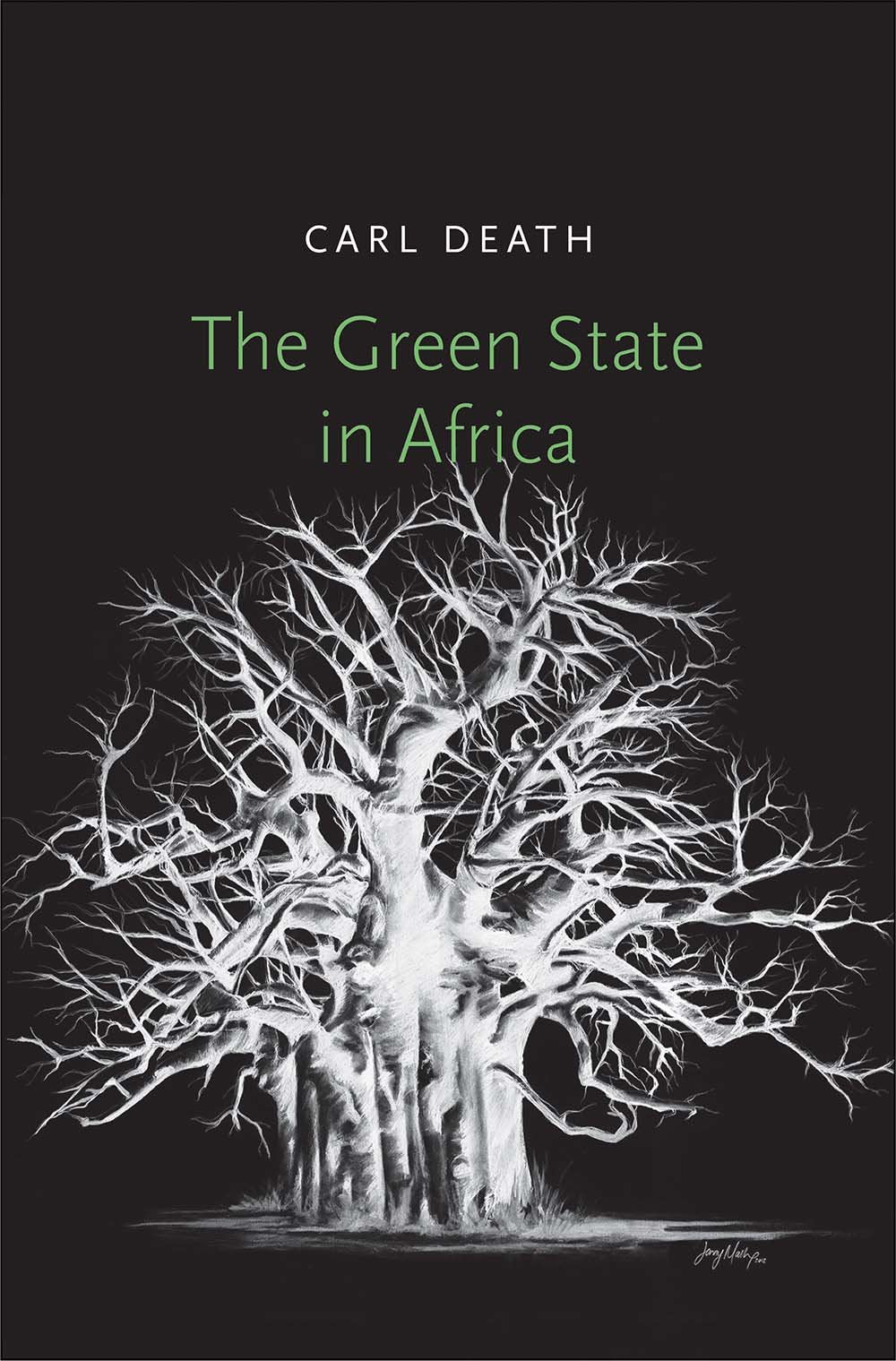
The Green State in Africa (Yale Agrarian Studies Series),New
Sold by Ergodebooks, an authorized reseller.
Returns accepted within 30 days | support@ergodebooks.com
Shipping Information
- Free Standard Shipping — United States only
- Processing Time: 3–5 business days
- Estimated Delivery: 6–10 business days after dispatch
- Double-boxed, fully insured & discreetly packaged
- Tracking number sent via email once dispatched
Returns & Refund
Returns accepted within 30 days of delivery.
Damaged or Defective Item
Free return shipping + replacement or full refund
Wrong Item Received
Free return shipping + replacement or full refund
Change of Mind
Return shipping at customer's expense · 25% restocking fee applies
Payment Option

A provocative reassessment of the relationship between states and environmental politics in AfricaFrom climaterelated risks such as crop failure and famine to longerterm concerns about sustainable urbanization, environmental justice, and biodiversity conservation, African states face a range of environmental issues. As Carl Death demonstrates, the ways in which they are addressing them have important political ramifications, and challenge current understandings of green politics. Death draws on almost a decade of research to reveal how central African environmental politics are to the transformation of African states.
⚠️ WARNING (California Proposition 65):
This product may contain chemicals known to the State of California to cause cancer, birth defects, or other reproductive harm.
For more information, please visit www.P65Warnings.ca.gov.
- Q: How many pages does 'The Green State in Africa' have? A: This book has three hundred eighty-four pages. It provides an in-depth exploration of environmental politics in Africa.
- Q: What are the dimensions of 'The Green State in Africa'? A: The dimensions are nine point three inches in length, six point two inches in width, and one point two inches in height. These measurements make it a standard hardcover book size.
- Q: What type of binding does 'The Green State in Africa' have? A: This book is bound in hardcover. Hardcover bindings are known for their durability and protective qualities.
- Q: Who is the author of 'The Green State in Africa'? A: The author is Carl Death. He draws on nearly a decade of research in African environmental politics.
- Q: What is the main theme of 'The Green State in Africa'? A: The book reassesses the relationship between states and environmental politics in Africa. It discusses climate-related risks and sustainable urbanization.
- Q: What topics are covered in 'The Green State in Africa'? A: The book covers topics such as environmental justice, biodiversity conservation, and the political ramifications of environmental issues. It is crucial for understanding green politics in Africa.
- Q: Is 'The Green State in Africa' suitable for academic use? A: Yes, this book is suitable for academic use. It is part of the Yale Agrarian Studies Series, making it relevant for students and researchers.
- Q: Can 'The Green State in Africa' be read by beginners in environmental studies? A: Yes, beginners can understand 'The Green State in Africa'. It presents complex ideas in a thought-provoking manner, suitable for a general audience.
- Q: Does 'The Green State in Africa' include any illustrations or graphs? A: No, this book does not specifically mention illustrations or graphs. It focuses on text-based analysis of environmental politics.
- Q: How should I store 'The Green State in Africa' to keep it in good condition? A: Store the book in a cool, dry place away from direct sunlight. Avoid stacking heavy items on top to preserve its binding and pages.
- Q: What is the recommended care for hardcover books like 'The Green State in Africa'? A: To care for hardcover books, keep them upright on shelves. Dust covers regularly and avoid exposing them to moisture.
- Q: Is 'The Green State in Africa' appropriate for high school students? A: Yes, it is appropriate for high school students interested in environmental issues. The content is engaging and educational.
- Q: What if 'The Green State in Africa' arrives damaged? A: If the book arrives damaged, you should contact the seller for a return or exchange. Most sellers have customer service policies for such issues.
- Q: How does 'The Green State in Africa' compare to other environmental studies books? A: This book offers a unique perspective on African environmental politics, which may differ from other environmental studies focused on global or Western contexts.
- Q: Are there any specific environmental issues addressed in the book? A: Yes, it addresses climate-related risks, sustainable urbanization, and biodiversity conservation specifically within the African context.