
Title
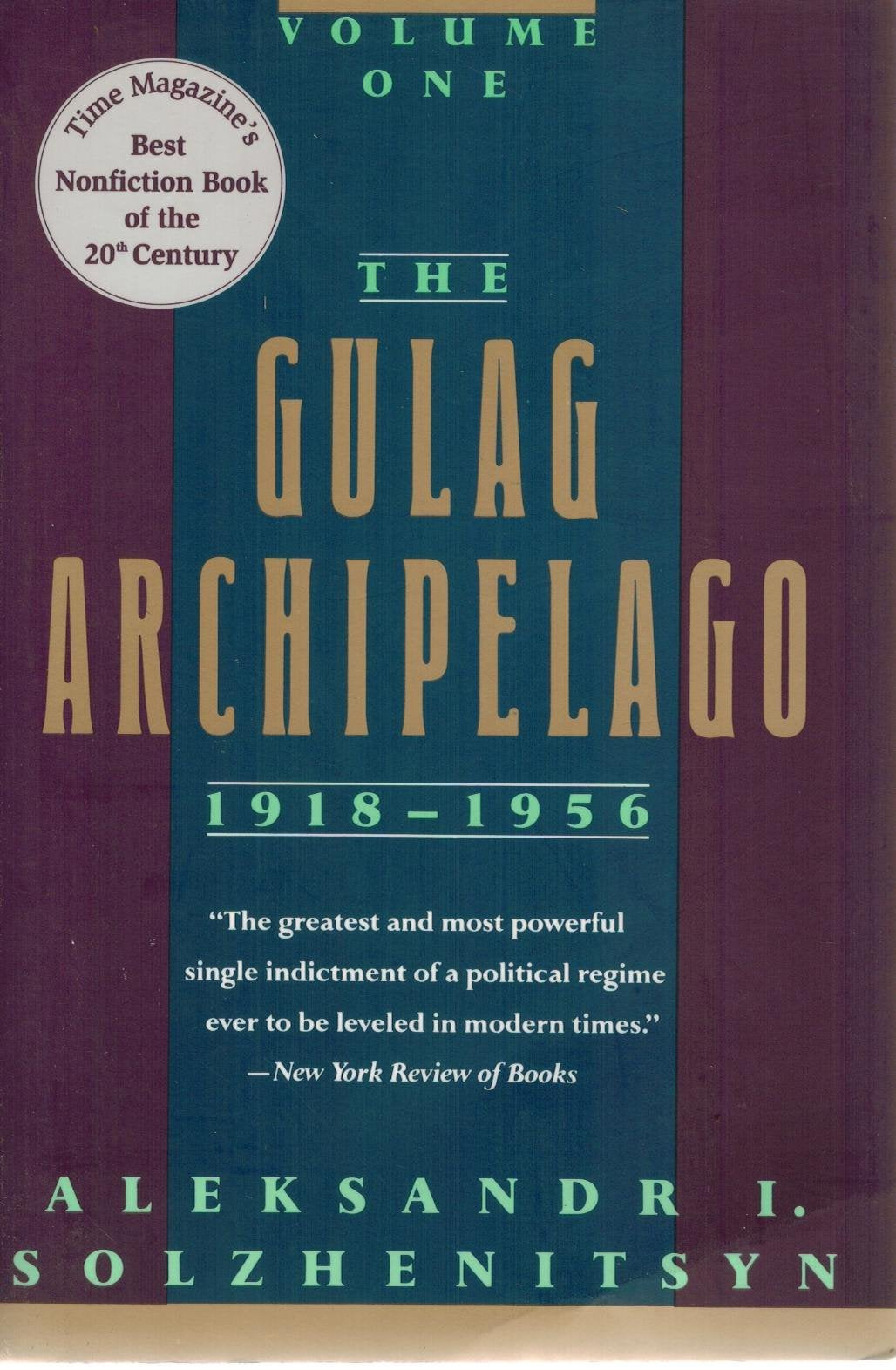
The Gulag Archipelago, 19181956: An Experiment In Literary Investigation (Volume One),New
Sold by Ergodebooks, an authorized reseller.
Returns accepted within 30 days | support@ergodebooks.com
Shipping Information
- Free Standard Shipping — United States only
- Processing Time: 3–5 business days
- Estimated Delivery: 6–10 business days after dispatch
- Double-boxed, fully insured & discreetly packaged
- Tracking number sent via email once dispatched
Returns & Refund
Returns accepted within 30 days of delivery.
Damaged or Defective Item
Free return shipping + replacement or full refund
Wrong Item Received
Free return shipping + replacement or full refund
Change of Mind
Return shipping at customer's expense · 25% restocking fee applies
Payment Option

The Gulag Archipelago Is Solzhenitsyn'S Attempt To Compile A Literaryhistorical Record Of The Vast System Of Prisons And Labor Camps That Came Into Being Shortly After The Bolsheviks Seized Power In Russia In 1917 And That Underwent An Enormous Expansion During The Rule Of Stalin From 1924 To 1953. Various Sections Of The Three Volumes Describe The Arrest, Interrogation, Conviction, Transportation, And Imprisonment Of The Gulag'S Victims By Soviet Authorities Over Four Decades. The Work Mingles Historical Exposition And Solzhenitsyn'S Own Autobiographical Accounts With The Voluminous Personal Testimony Of Other Inmates That He Collected And Committed To Memory During His Imprisonment.Upon Publication Of The First Volume Of The Gulag Archipelago, Solzhenitsyn Was Immediately Attacked In The Soviet Press. Despite The Intense Interest In His Fate That Was Shown In The West, He Was Arrested And Charged With Treason On February 12, 1974, And Was Exiled From The Soviet Union The Following Day.
⚠️ WARNING (California Proposition 65):
This product may contain chemicals known to the State of California to cause cancer, birth defects, or other reproductive harm.
For more information, please visit www.P65Warnings.ca.gov.
- Q: How many pages are in The Gulag Archipelago? A: This book contains six hundred seventy-two pages. It provides a comprehensive examination of the Soviet prison system and its impact on individuals.
- Q: What is the binding type of this book? A: The binding type is paperback. This makes it lightweight and easy to handle for extended reading sessions.
- Q: Who is the author of The Gulag Archipelago? A: The author is Aleksandr I. Solzhenitsyn. He was a Russian novelist and dissident, known for his critical works on Soviet repression.
- Q: What is the genre of The Gulag Archipelago? A: The genre is historical non-fiction. It blends literary investigation with personal narratives from the Gulag system.
- Q: What are the dimensions of The Gulag Archipelago? A: The dimensions are five point five one inches in length, one point five inches in width, and eight inches in height. This size makes it a portable read.
- Q: How do I read The Gulag Archipelago? A: You can read it like any traditional book. It is suitable for adults and those interested in history and literature.
- Q: Is this book appropriate for younger readers? A: No, this book is not recommended for younger readers. Its themes involve complex historical events and personal trauma.
- Q: Can I read The Gulag Archipelago in one sitting? A: It's unlikely to read in one sitting due to its length. Many readers prefer to take breaks to absorb the heavy themes.
- Q: How should I store The Gulag Archipelago? A: Store it in a cool, dry place away from direct sunlight. This will help preserve the integrity of the paperback binding.
- Q: How do I care for this book? A: Keep it clean and avoid moisture. Gently wipe the cover with a soft cloth to remove dust.
- Q: What if my book arrives damaged? A: You should contact the seller immediately for a replacement or refund. Most sellers have return policies for damaged items.
- Q: Does this book contain any adult content? A: Yes, it contains mature themes and graphic depictions of imprisonment and suffering. Reader discretion is advised.
- Q: How is The Gulag Archipelago different from other historical books? A: It uniquely combines personal narratives with historical documentation, providing a deep, immersive understanding of the Gulag experience.
- Q: Is The Gulag Archipelago a good choice for book clubs? A: Yes, it's an excellent choice for book clubs. The themes provoke thoughtful discussion on morality, suffering, and historical context.
- Q: What makes The Gulag Archipelago significant? A: It is significant for its detailed account of the Soviet Union's oppressive regime and its impact on individual lives and society.