
Title
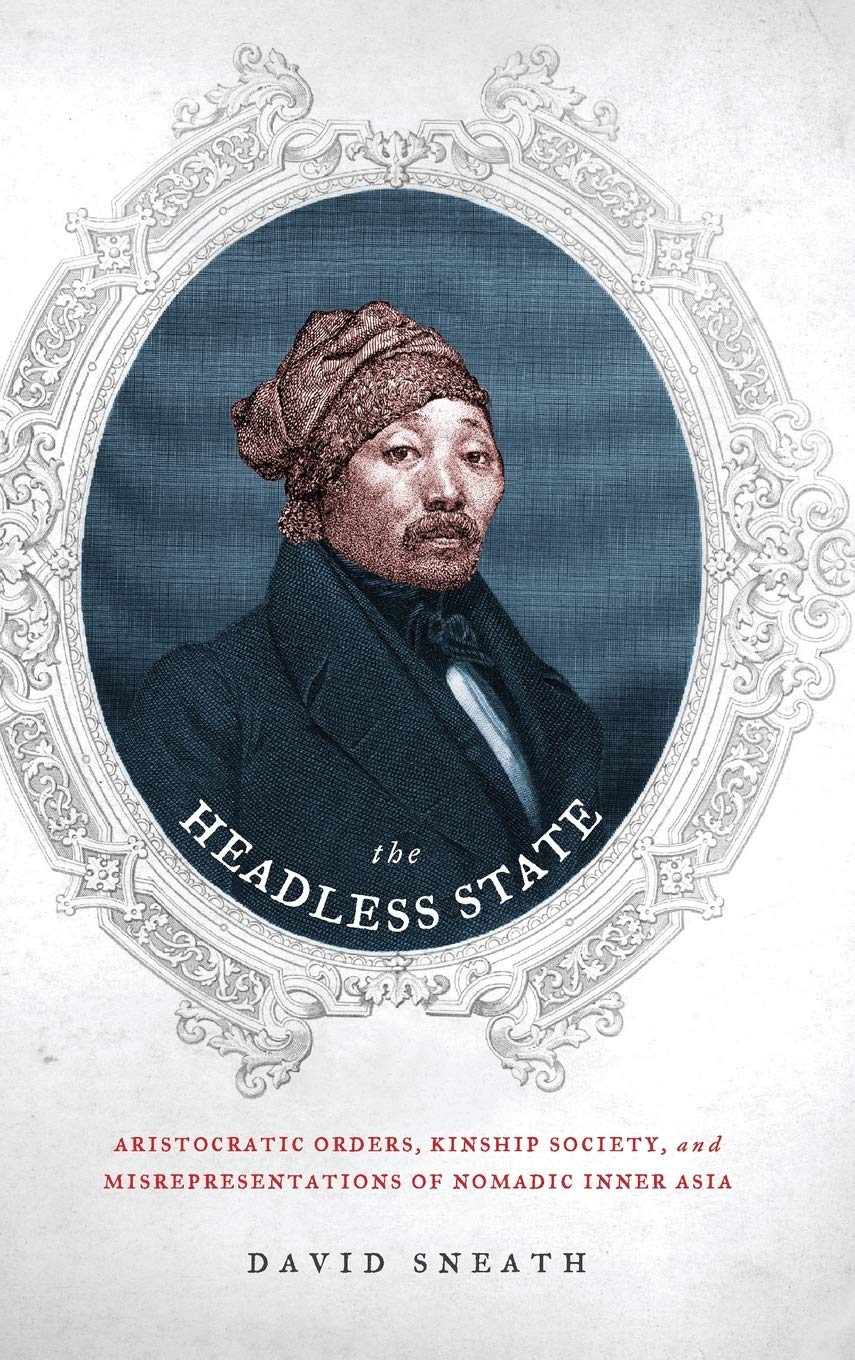
The Headless State: Aristocratic Orders, Kinship Society, and Misrepresentations of Nomadic Inner Asia,Used
Sold by Ergodebooks, an authorized reseller.
Returns accepted within 30 days | support@ergodebooks.com
Shipping Information
- Free Standard Shipping — United States only
- Processing Time: 3–5 business days
- Estimated Delivery: 6–10 business days after dispatch
- Double-boxed, fully insured & discreetly packaged
- Tracking number sent via email once dispatched
Returns & Refund
Returns accepted within 30 days of delivery.
Damaged or Defective Item
Free return shipping + replacement or full refund
Wrong Item Received
Free return shipping + replacement or full refund
Change of Mind
Return shipping at customer's expense · 25% restocking fee applies
Payment Option

In this groundbreaking work, social anthropologist David Sneath aggressively dispels the myths surrounding the history of steppe societies and proposes a new understanding of the nature and formation of the state. Since the colonial era, representations of Inner Asia have been dominated by images of fierce nomads organized into clans and tribesbut as Sneath reveals, these representations have no sound basis in historical fact. Rather, they are the product of nineteenthcentury evolutionist social theory, which saw kinship as the organizing principle in a nonstate society.Sneath argues that aristocratic power and statelike processes of administration were the true organizers of life on the steppe. Rethinking the traditional dichotomy between state and nonstate societies, Sneath conceives of a 'headless state' in which a configuration of statelike power was formed by the horizontal relations among power holders and was reproduced with or without an overarching ruler or central 'head.' In other words, almost all of the operations of state power existed at the local level, virtually independent of central bureaucratic authority.Sneath's research gives rise to an alternative picture of steppe life in which aristocrats determined the size, scale, and degree of centralization of political power. His history of the region shows no clear distinction between a highly centralized, stratified 'state' society and an egalitarian, kinbased 'tribal' society. Drawing on his extensive anthropological fieldwork in the region, Sneath persuasively challenges the legitimacy of the tribal model, which continues to distort scholarship on the history of Inner Asia.
⚠️ WARNING (California Proposition 65):
This product may contain chemicals known to the State of California to cause cancer, birth defects, or other reproductive harm.
For more information, please visit www.P65Warnings.ca.gov.