
Title
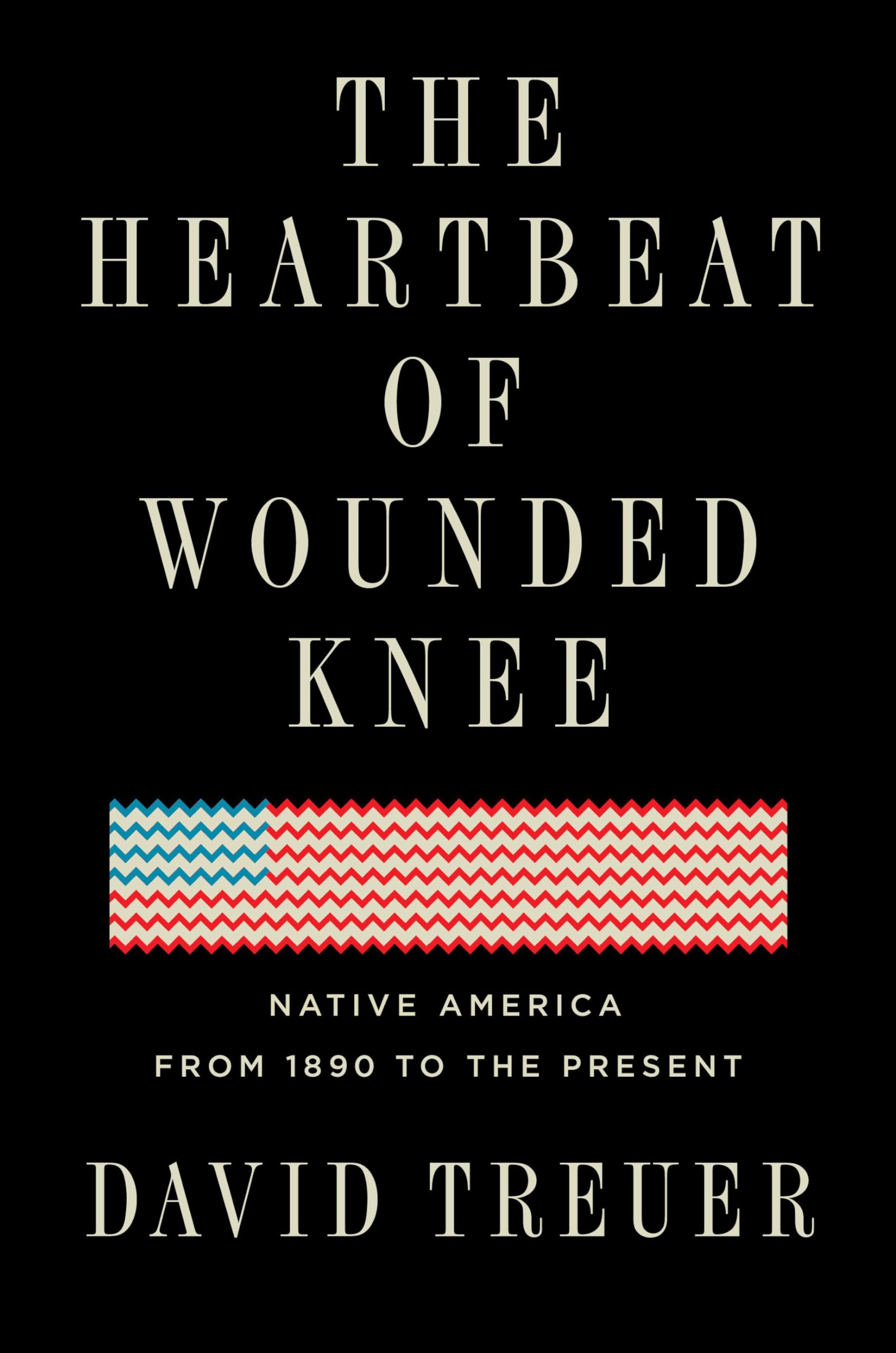
The Heartbeat of Wounded Knee: Native America from 1890 to the Present,Used
Sold by Ergodebooks, an authorized reseller.
Returns accepted within 30 days | support@ergodebooks.com
Shipping Information
- Free Standard Shipping — United States only
- Processing Time: 3–5 business days
- Estimated Delivery: 6–10 business days after dispatch
- Double-boxed, fully insured & discreetly packaged
- Tracking number sent via email once dispatched
Returns & Refund
Returns accepted within 30 days of delivery.
Damaged or Defective Item
Free return shipping + replacement or full refund
Wrong Item Received
Free return shipping + replacement or full refund
Change of Mind
Return shipping at customer's expense · 25% restocking fee applies
Payment Option

FINALIST FOR THE 2019 NATIONAL BOOK AWARDLONGLISTED FOR THE 2020 ANDREW CARNEGIE MEDAL FOR EXCELLENCEA NEW YORK TIMES BESTSELLERNamed a best book of 2019 by The New York Times, TIME, The Washington Post, NPR, Hudson Booksellers, The New York Public Library, The Dallas Morning News, and Library Journal."Chapter after chapter, it's like one shattered myth after another." NPR"An informed, moving and kaleidoscopic portrait... Treuer's powerful book suggests the need for soulsearching about the meanings of American history and the stories we tell ourselves about this nation's past.." New York Times Book Review, front pageA sweeping historyand counternarrativeof Native American life from the Wounded Knee massacre to the present.The received idea of Native American historyas promulgated by books like Dee Brown's megabestselling 1970 Bury My Heart at Wounded Kneehas been that American Indian history essentially ended with the 1890 massacre at Wounded Knee. Not only did one hundred fifty Sioux die at the hands of the U. S. Cavalry, the sense was, but Native civilization did as well.Growing up Ojibwe on a reservation in Minnesota, training as an anthropologist, and researching Native life past and present for his nonfiction and novels, David Treuer has uncovered a different narrative. Because they did not disappearand not despite but rather because of their intense struggles to preserve their language, their traditions, their families, and their very existencethe story of American Indians since the end of the nineteenth century to the present is one of unprecedented resourcefulness and reinvention.In The Heartbeat of Wounded Knee, Treuer melds history with reportage and memoir. Tracing the tribes' distinctive cultures from first contact, he explores how the depredations of each era spawned new modes of survival. The devastating seizures of land gave rise to increasingly sophisticated legal and political maneuvering that put the lie to the myth that Indians don't know or care about property. The forced assimilation of their children at governmentrun boarding schools incubated a unifying Native identity. Conscription in the US military and the pull of urban life brought Indians into the mainstream and modern times, even as it steered the emerging shape of selfrule and spawned a new generation of resistance. The Heartbeat of Wounded Knee is the essential, intimate story of a resilient people in a transformative era.
⚠️ WARNING (California Proposition 65):
This product may contain chemicals known to the State of California to cause cancer, birth defects, or other reproductive harm.
For more information, please visit www.P65Warnings.ca.gov.
- Q: How many pages does the book have? A: This book has five hundred twenty-eight pages. It provides an in-depth exploration of Native American history.
- Q: What are the dimensions of the book? A: The dimensions of the book are six point thirty-eight inches in length, one point fifty-nine inches in width, and nine point twenty-eight inches in height.
- Q: What type of binding does the book have? A: The book is bound in hardcover. This ensures durability and a premium feel for readers.
- Q: Who is the author of this book? A: The author is David Treuer. He is known for his insightful perspectives on Native American history and culture.
- Q: What is the book's genre? A: The book falls under the Native American genre. It offers a historical and cultural narrative about Native American life.
- Q: How do I read this book? A: To read this book, simply open it and start from the beginning. It is suitable for adults and older teens interested in history.
- Q: Is this book appropriate for high school students? A: Yes, the book is appropriate for high school students. It provides valuable insights into American history and cultural identity.
- Q: Can I read this book if I am new to Native American history? A: Yes, you can read this book if you are new to Native American history. It provides a comprehensive overview that is accessible to all readers.
- Q: How should I store the book to keep it in good condition? A: Store the book upright on a shelf away from direct sunlight. This will help preserve its condition and prevent damage.
- Q: What is the best way to clean the book? A: To clean the book, gently wipe the cover with a dry cloth. Avoid using liquids, as they can damage the pages.
- Q: What if the book arrives damaged? A: If the book arrives damaged, contact customer support for assistance with a return or exchange. They will provide guidance on the process.
- Q: Does the book have any awards? A: Yes, the book is a finalist for the 2019 National Book Award and was longlisted for the 2020 Andrew Carnegie Medal for Excellence.
- Q: Is this book suitable for academic research? A: Yes, the book is suitable for academic research. It offers well-researched insights into Native American history and cultural resilience.
- Q: Can I find this book in libraries? A: Yes, this book is likely available in many libraries. Check your local library catalog for availability.
- Q: How does this book compare to other Native American history books? A: This book provides a unique counter-narrative to traditional Native American history books, focusing on resilience and survival beyond the Wounded Knee massacre.