
Title
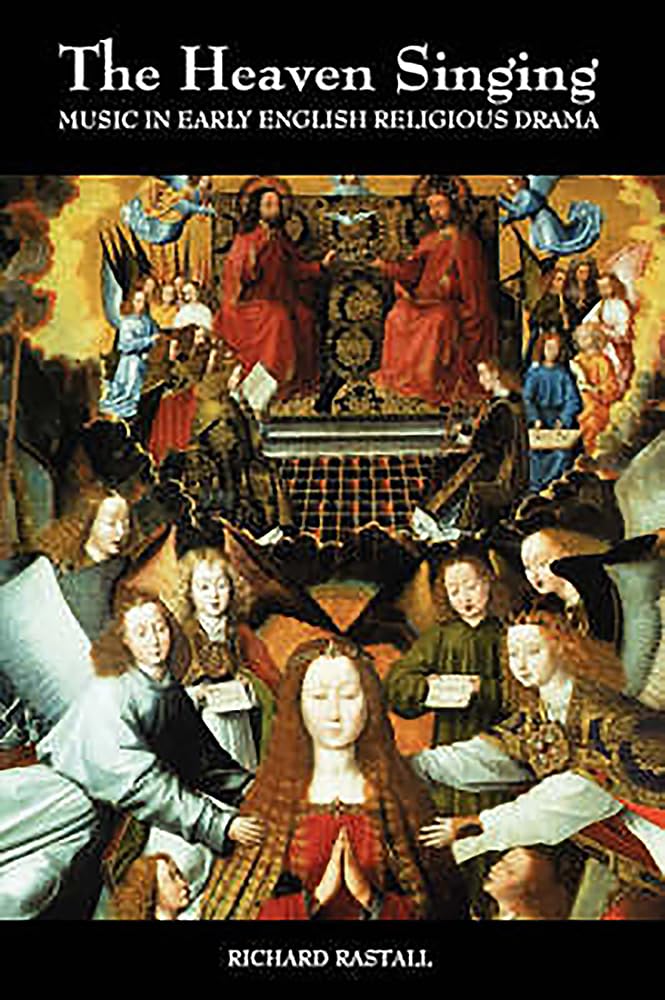
The Heaven Singing: Music In Early English Religious Drama I,Used
Sold by Ergodebooks, an authorized reseller.
Returns accepted within 30 days | support@ergodebooks.com
Shipping Information
- Free Standard Shipping — United States only
- Processing Time: 3–5 business days
- Estimated Delivery: 6–10 business days after dispatch
- Double-boxed, fully insured & discreetly packaged
- Tracking number sent via email once dispatched
Returns & Refund
Returns accepted within 30 days of delivery.
Damaged or Defective Item
Free return shipping + replacement or full refund
Wrong Item Received
Free return shipping + replacement or full refund
Change of Mind
Return shipping at customer's expense · 25% restocking fee applies
Payment Option

Its scope is impressive... a formidable achievement, indispensable for any serious and comprehensive study of early English drama. MEDIUM AEVUMRichard Rastall's two books on music in early English religious drama complement each other. Heaven Singing provides an overview of the evidence for music in the plays, and defines the place, nature and cultural contexts ofmusic in the drama; Minstrels Playing is a discussion of the evidence for every play in that repertory, and is therefore concerned with the place and nature of musical performance in each play individually.Where should there be music in an anonymous English religious play of the fifteenth or sixteenth century? What sort of music should it be, and by what forces should it be performed? This volume shows how music was used at the time of the plays' production, both through a close examination of individual texts, and of the place of music in the intellectual and artistic life of the middle ages. Richard Rastall begins by discussing the internal literary evidence of theplay texts, the surviving notated music in the plays, and documentary evidence of productions, before turning to the wider cultural context in which the plays were composed and performed. He considers the representational and dynamic functions of music in the plays, the relationship between music, drama and liturgy, and the performers themselves who they were, and what they might be expected to do. Related factors necessary to the discovery of how musicwas used in late medieval drama are also considered, from medieval cosmology and the numerical construction of plays to the age and size of boy actors.Dr RICHARD RASTALL is Reader in Historical Musicology at the University of Leeds, and Dean of the Faculty of Arts.
⚠️ WARNING (California Proposition 65):
This product may contain chemicals known to the State of California to cause cancer, birth defects, or other reproductive harm.
For more information, please visit www.P65Warnings.ca.gov.