
Title
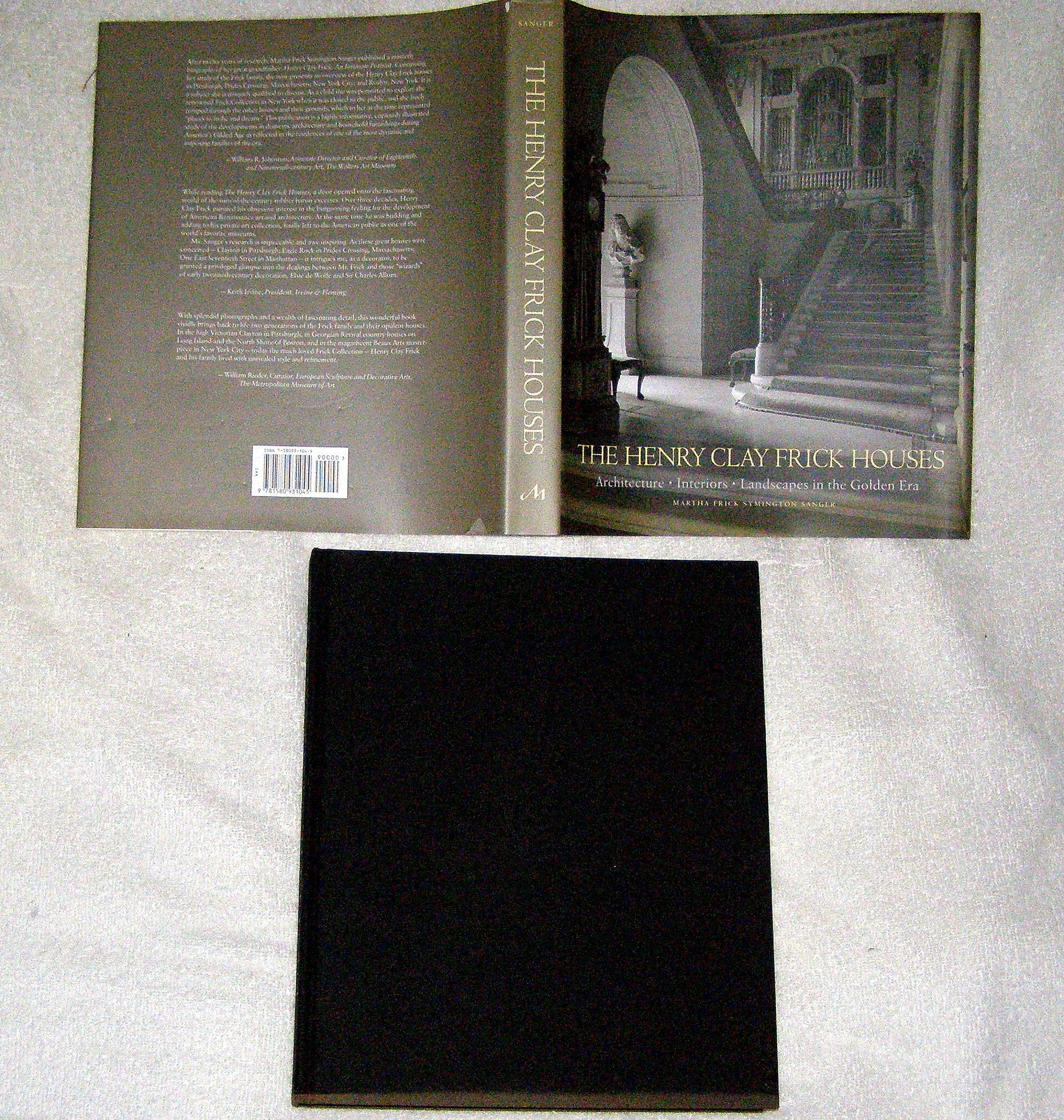
The Henry Clay Frick Houses: Architecture, Interiors, Landscapes In The Golden Era
Sold by Ergodebooks, an authorized reseller.
Returns accepted within 30 days | support@ergodebooks.com
Shipping Information
- Free Standard Shipping — United States only
- Processing Time: 3–5 business days
- Estimated Delivery: 6–10 business days after dispatch
- Double-boxed, fully insured & discreetly packaged
- Tracking number sent via email once dispatched
Returns & Refund
Returns accepted within 30 days of delivery.
Damaged or Defective Item
Free return shipping + replacement or full refund
Wrong Item Received
Free return shipping + replacement or full refund
Change of Mind
Return shipping at customer's expense · 25% restocking fee applies
Payment Option

Henry Clay Frick, The Worldfamous Art Collector And Steel Tycoon, Was A Towering Figure In America'S Gilded Age Of The Nineteenth And Early Twentieth Centuries. The Houses He Built For Himself And His Family Exemplify The Great Residences Of The Era, With Priceless Art, Cultivated Gardens, And Interiors By The Most Prestigious Designers Of The Day. This Elegant Volume, Written By Frick'S Greatgranddaughter And Biographer, Features The Four Major Houses Purchased, Built, And Renovated For The Steel Magnate; Each Is Described In Exacting Detail, With Information About The Architects And Interior Designers, Furnishings And Art, And Decoration. Beautiful Archival Photographsinterior And Exterior, Many Previously Unseenand Architectural Drawings Document The Residences. The Latevictorian Clayton, In Pittsburgh, Was Henry Clay Frick'S First Home As A Married Man And The Chairman Of The Carnegie Steel Company; It Now Houses The Frick Art And Historical Center. Eagle Rock, The Fricks' Summer Retreat To The North Of Boston, Was A Neoclassical, Allbrick Colossus Designed By Arthur Little And Herbert W. C. Browne. The Most Famous House In The Book Is 1 East Seventieth Street, Along New York'S Fifth Avenue. Long Recognized As One Of The City'S Most Elegant Buildings And Today Housing The Worldrenowned Frick Collection, It Was Designed In 1912 By Thomas Hastings Of Carrre & Hastings. The Fourth House In The Book Is The Clayton Estate, A Georgian Revival Masterpiece In Roslyn, New York, Originally Designed In 1901 By Odgen Codman Jr.; It Is Now The Nassau County Museum Of Fine Arts.
⚠️ WARNING (California Proposition 65):
This product may contain chemicals known to the State of California to cause cancer, birth defects, or other reproductive harm.
For more information, please visit www.P65Warnings.ca.gov.
- Q: What is the size of the book? A: The book measures eight inches by twelve point three eight inches and is one point three eight inches thick.
- Q: How many pages does the book have? A: The book contains three hundred twelve pages, offering a comprehensive exploration of the subject.
- Q: What type of binding does the book have? A: This book features a hardcover binding, ensuring durability and a premium feel.
- Q: Who is the author of this book? A: The book is authored by Martha Frick Symington Sanger, a great-granddaughter of Henry Clay Frick.
- Q: Is this book suitable for children? A: No, the book is primarily aimed at adults and those interested in architecture and history.
- Q: What can I learn from this book? A: You can learn about the architectural significance, design details, and historical context of the Henry Clay Frick houses.
- Q: How should I care for the book? A: To keep the book in good condition, store it upright in a cool, dry place and avoid exposure to direct sunlight.
- Q: Can the book be cleaned? A: Yes, if necessary, use a soft, dry cloth to gently remove dust from the cover and pages.
- Q: Is there a warranty for this book? A: No, books typically do not come with warranties, but you can check the return policy of the retailer.
- Q: What if the book arrives damaged? A: If the book arrives damaged, contact the retailer for information on their return or replacement policy.
- Q: How does this book compare to other architecture books? A: This book focuses specifically on the Henry Clay Frick houses, providing detailed insights unique to this subject.
- Q: Is this book suitable for architecture students? A: Yes, this book is suitable for architecture students, offering valuable insights into historical architectural styles.
- Q: What architectural styles are featured in the book? A: The book showcases various architectural styles, including Georgian Revival and Neoclassical designs.
- Q: Are there photographs in the book? A: Yes, the book includes beautiful archival photographs and architectural drawings, many of which are previously unseen.
- Q: What is the main theme of the book? A: The main theme revolves around the architectural and historical significance of the residences built by Henry Clay Frick.