
Title
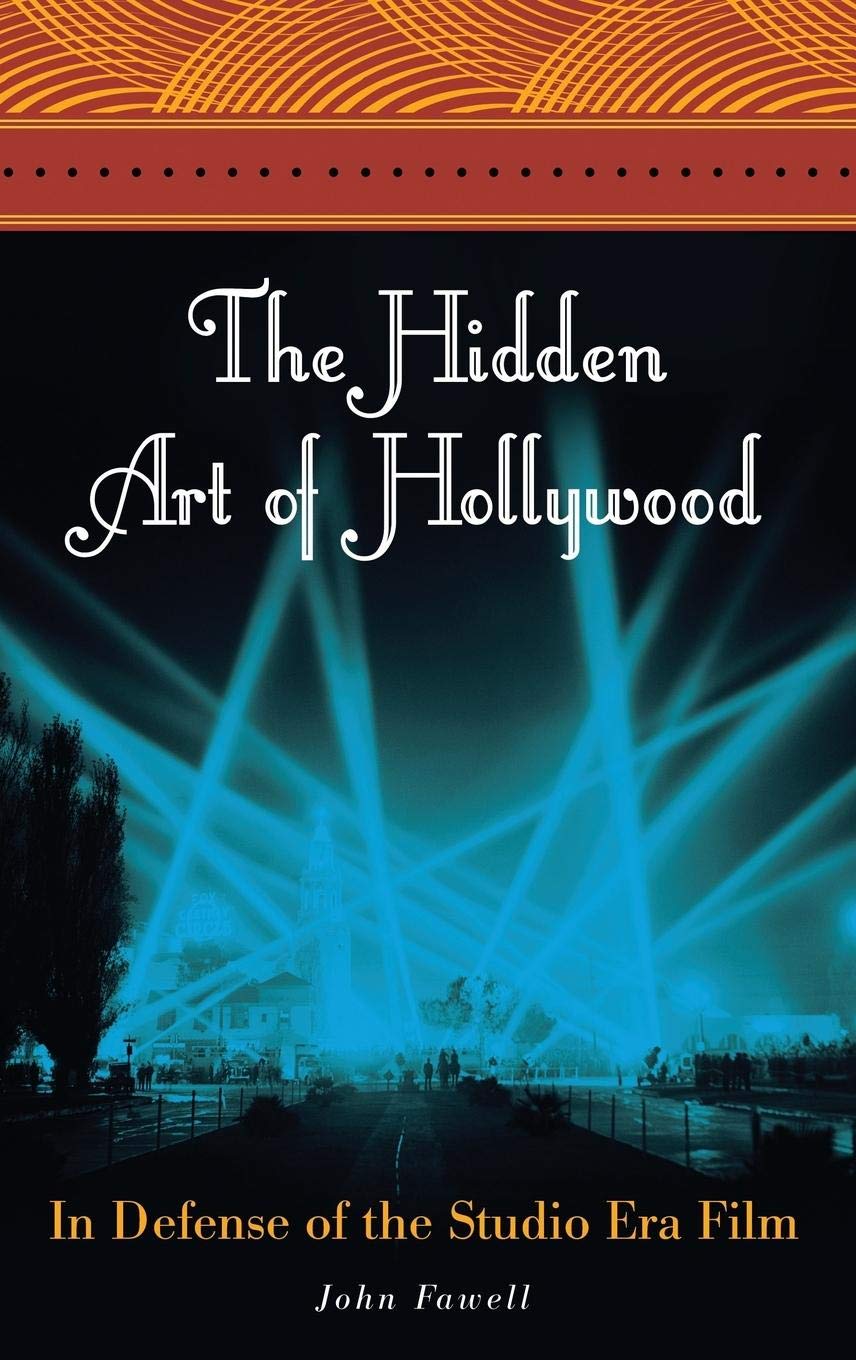
The Hidden Art of Hollywood: In Defense of the Studio Era Film,Used
Sold by Ergodebooks, an authorized reseller.
Returns accepted within 30 days | support@ergodebooks.com
Shipping Information
- Free Standard Shipping — United States only
- Processing Time: 3–5 business days
- Estimated Delivery: 6–10 business days after dispatch
- Double-boxed, fully insured & discreetly packaged
- Tracking number sent via email once dispatched
Returns & Refund
Returns accepted within 30 days of delivery.
Damaged or Defective Item
Free return shipping + replacement or full refund
Wrong Item Received
Free return shipping + replacement or full refund
Change of Mind
Return shipping at customer's expense · 25% restocking fee applies
Payment Option

Although we tend to accord our highest praise to films with strong messages, Hollywood is resolutely unserious in its goals, and closer perhaps to music than to literature in this regard. Thus, in order to appreciate Hollywood's classic movies, we have to understand them as the result of a style of filmmaking that justifies itself through the grace and beauty of its form. This beauty, when seen, challenges our notion of film as the poorer cousin of the high arts, or as worthwhile only when it serves a social purpose. The Hidden Art of Hollywood draws from a huge fund of recorded interviews with the directors, writers, cinematographers, set designers, producers, and actors who were a part of the studio process, in order to give the filmmakers themselves the chance to explain a very elusive phenomenon: the glancing beauty of the Hollywood film.While the greatness of the classic Hollywood film is, for many of us, settled business, there are also a great number who have difficulty understanding why these filmswhich can often seem dated and unrealistic compared to modern fareare taken as seriously as they are. Although we tend to accord our highest praise to films with strong and often didactic messages, Hollywood is resolutely unserious in its goals, and closer perhaps to music than to literature in this regard. Thus, in order to appreciate classic American movies, we have to understand them as the result of a style of filmmaking that justifies itself not through ideas or social relevance, but through the grace and beauty of its form.The beauty of the Hollywood film challenges our notion of film as the poorer cousin of the high arts, or as worthwhile only when it serves a social purpose. In his effort to answer the many questions that classic American cinema suggests, author John Fawell considers previous criticism of Hollywood, but also draws from a huge fund of recorded interviews with the directors, writers, cinematographers, set designers, producers, and actors who were a part of the studio process, in order to give the filmmakers themselves the chance to explain a very elusive phenomenon: the glancing beauty of the Hollywood film. The films of certain great auteurs, including Charlie Chaplin, Ernst Lubitsch, Preston Sturges, Alfred Hitchcock, Billy Wilder, John Ford, and Orson Welles, receive particular attention here, but this book is organized by ideas rather than films or artists, and it draws from a wide array of Hollywood films, both successes and failures, to make its points.
⚠️ WARNING (California Proposition 65):
This product may contain chemicals known to the State of California to cause cancer, birth defects, or other reproductive harm.
For more information, please visit www.P65Warnings.ca.gov.