
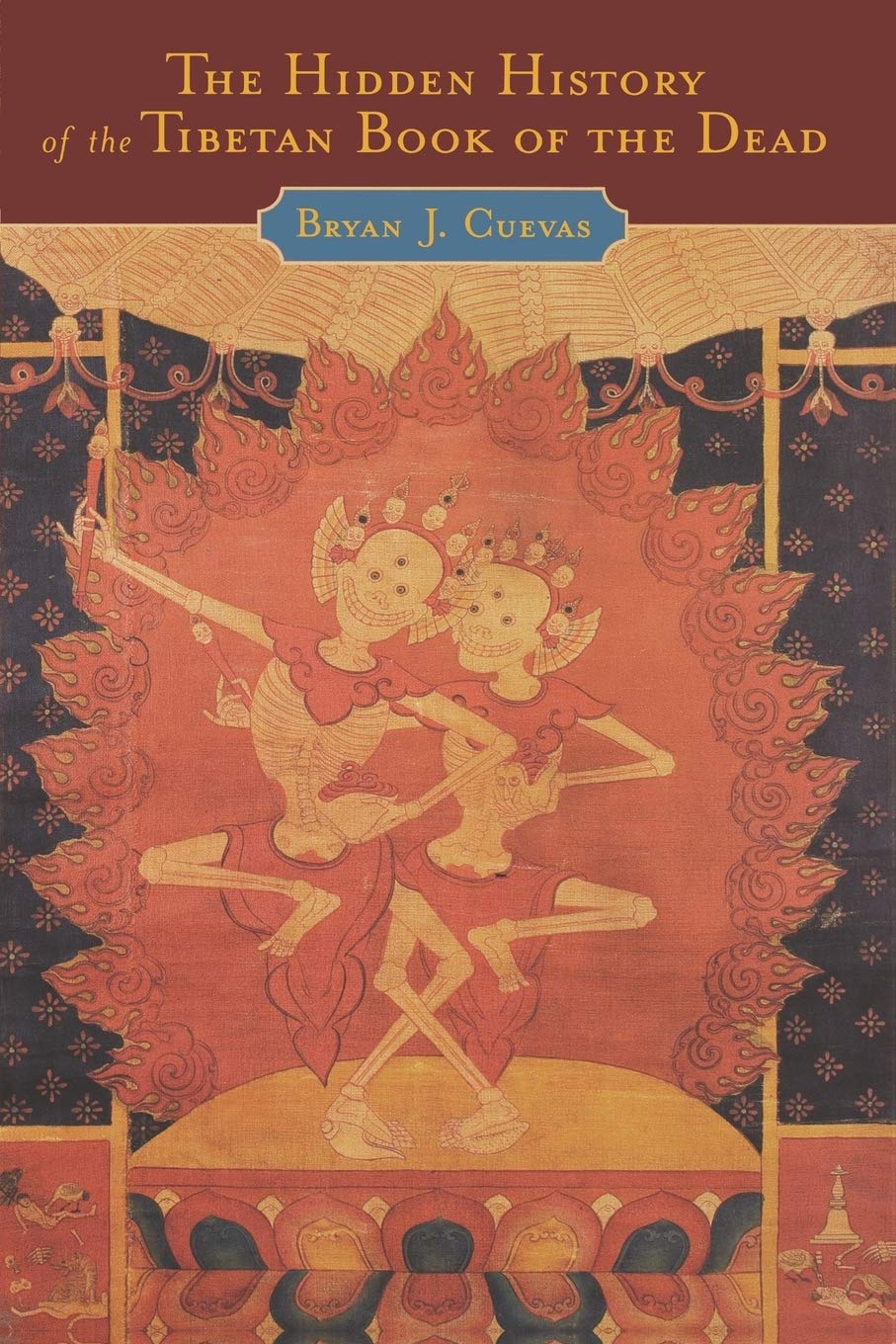
Title
The Hidden History of the Tibetan Book of the Dead,New
Sold by Ergodebooks, an authorized reseller.
Returns accepted within 30 days | support@ergodebooks.com
Shipping Information
- Free Standard Shipping — United States only
- Processing Time: 3–5 business days
- Estimated Delivery: 6–10 business days after dispatch
- Double-boxed, fully insured & discreetly packaged
- Tracking number sent via email once dispatched
Returns & Refund
Returns accepted within 30 days of delivery.
Damaged or Defective Item
Free return shipping + replacement or full refund
Wrong Item Received
Free return shipping + replacement or full refund
Change of Mind
Return shipping at customer's expense · 25% restocking fee applies
Payment Option

In 1927, Oxford University Press published the first westernlanguage translation of a collection of Tibetan funerary texts (the Great Liberation upon Hearing in the Bardo) under the title The Tibetan Book of the Dead. Since that time, the work has established a powerful hold on the western popular imagination, and is now considered a classic of spiritual literature. Over the years, The Tibetan Book of the Dead has inspired numerous commentaries, an illustrated edition, a play, a video series, and even an opera. Translators, scholars, and popular devotees of the book have claimed to explain its esoteric ideas and reveal its hidden meaning. Few, however, have uttered a word about its history. Bryan J. Cuevas seeks to fill this gap in our knowledge by offering the first comprehensive historical study of the Great Liberation upon Hearing in the Bardo, and by grounding it firmly in the context of Tibetan history and culture. He begins by discussing the many ways the texts have been understood (and misunderstood) by westerners, beginning with its first editor, the Oxfordeducated anthropologist Walter Y. EvansWentz, and continuing through the present day. The remarkable fame of the book in the west, Cuevas argues, is strikingly disproportionate to how the original Tibetan texts were perceived in their own country. Cuevas tells the story of how The Tibetan Book of the Dead was compiled in Tibet, of the lives of those who preserved and transmitted it, and explores the history of the rituals through which the life of the dead is imagined in Tibetan society. This book provides not only a fascinating look at a popular and enduring spiritual work, but also a muchneeded corrective to the proliferation of ahistorical scholarship surrounding The Tibetan Book of the Dead.
⚠️ WARNING (California Proposition 65):
This product may contain chemicals known to the State of California to cause cancer, birth defects, or other reproductive harm.
For more information, please visit www.P65Warnings.ca.gov.