
Title
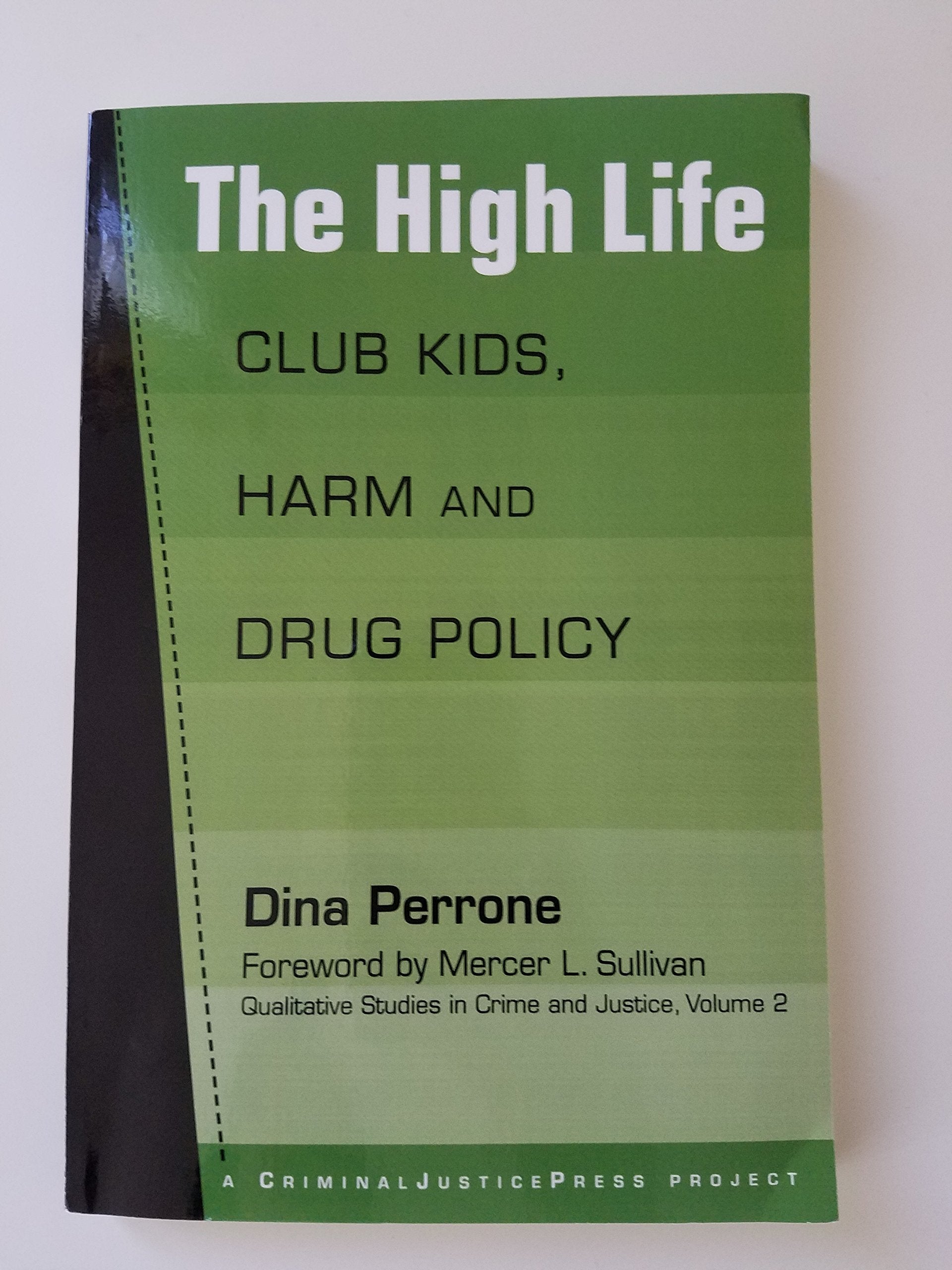
The High Life: Club Kids, Harm and Drug Policy (Qualitative Studies in Crime and Justice),Used
Sold by Ergodebooks, an authorized reseller.
Returns accepted within 30 days | support@ergodebooks.com
Shipping Information
- Free Standard Shipping — United States only
- Processing Time: 3–5 business days
- Estimated Delivery: 6–10 business days after dispatch
- Double-boxed, fully insured & discreetly packaged
- Tracking number sent via email once dispatched
Returns & Refund
Returns accepted within 30 days of delivery.
Damaged or Defective Item
Free return shipping + replacement or full refund
Wrong Item Received
Free return shipping + replacement or full refund
Change of Mind
Return shipping at customer's expense · 25% restocking fee applies
Payment Option

A new study of New York City drug users (ages 2233) who selfidentify as (dance) club kids challenges stereotypes of the typical drug user and common assumptions about controlling drugrelated harms. Ethnographic research illuminates the club kids distinctive subculture, describes their patterns of drug use, and explores the factors that protect them from harms such as arrests and illness. Richly detailed and remarkably candid interview data vividly portray how the subjects manage to maintain productive, middleclass lifestyles despite engaging in heavy drug use. Dr. Perrone situates the club kids in a historical perspective as a subculture with distinctive rituals, styles, tastes and cultural norms. The data indicate that the club kids strive to protect themselves from harms by their choices among drugs, the settings where they use drugs, and their mindsets during use. Also facilitating controlled drug use are the subjects high levels of economic and social capital, ample life and job skills (human capital), extensive social networks, and maturation through the typical lifecourse of educated middle class Americans. The threat of criminal justice sanctions was not a significant factor in the club kids moderation in drug use, efforts at harm avoidance, or eventual desistance. Instead, the club kids cultural norms and socioeconomic statuses were the predominant influences on their drug use and experiences. Implications for national drug policy are assessed. From the foreword by series editor Dr. Mercer Sullivan: This fascinating and timely piece of research follows in a long tradition of field studies of deviant behavior. The innovative and illuminating aspect of this study is the wideranging array of theoretical perspectives brought to the material.
⚠️ WARNING (California Proposition 65):
This product may contain chemicals known to the State of California to cause cancer, birth defects, or other reproductive harm.
For more information, please visit www.P65Warnings.ca.gov.
- Q: What is the focus of 'The High Life: Club Kids, Harm and Drug Policy'? A: This book focuses on a study of New York City drug users who identify as club kids, challenging stereotypes about drug users and analyzing their subculture, patterns of drug use, and harm reduction strategies.
- Q: Who is the author of this book? A: The author of 'The High Life: Club Kids, Harm and Drug Policy' is Dina Perrone.
- Q: What is the publication date of this book? A: This book was published on June 1, 2009.
- Q: What type of research methodology is used in this study? A: The study employs ethnographic research, providing rich, detailed interview data about the experiences of club kids.
- Q: How does the book address drug-related harm? A: The book explores how club kids manage drug use and mitigate harms through their choices, social networks, and economic resources.
- Q: What are the key features of this book? A: The key features include an in-depth analysis of drug use patterns, cultural norms of club kids, and implications for national drug policy.
- Q: What is the condition of the book being sold? A: The book is categorized as a used book in good condition.
- Q: What is the binding type of this book? A: The book is available in paperback binding.
- Q: How many pages does this book have? A: The book contains 261 pages.
- Q: In what category is this book classified? A: This book is classified under the category of Criminal Law.