
Title
The History Of Philosophy: A Reader'S Guide,Used
Sold by Ergodebooks, an authorized reseller.
Returns accepted within 30 days | support@ergodebooks.com
Shipping Information
- Free Standard Shipping — United States only
- Processing Time: 3–5 business days
- Estimated Delivery: 6–10 business days after dispatch
- Double-boxed, fully insured & discreetly packaged
- Tracking number sent via email once dispatched
Returns & Refund
Returns accepted within 30 days of delivery.
Damaged or Defective Item
Free return shipping + replacement or full refund
Wrong Item Received
Free return shipping + replacement or full refund
Change of Mind
Return shipping at customer's expense · 25% restocking fee applies
Payment Option

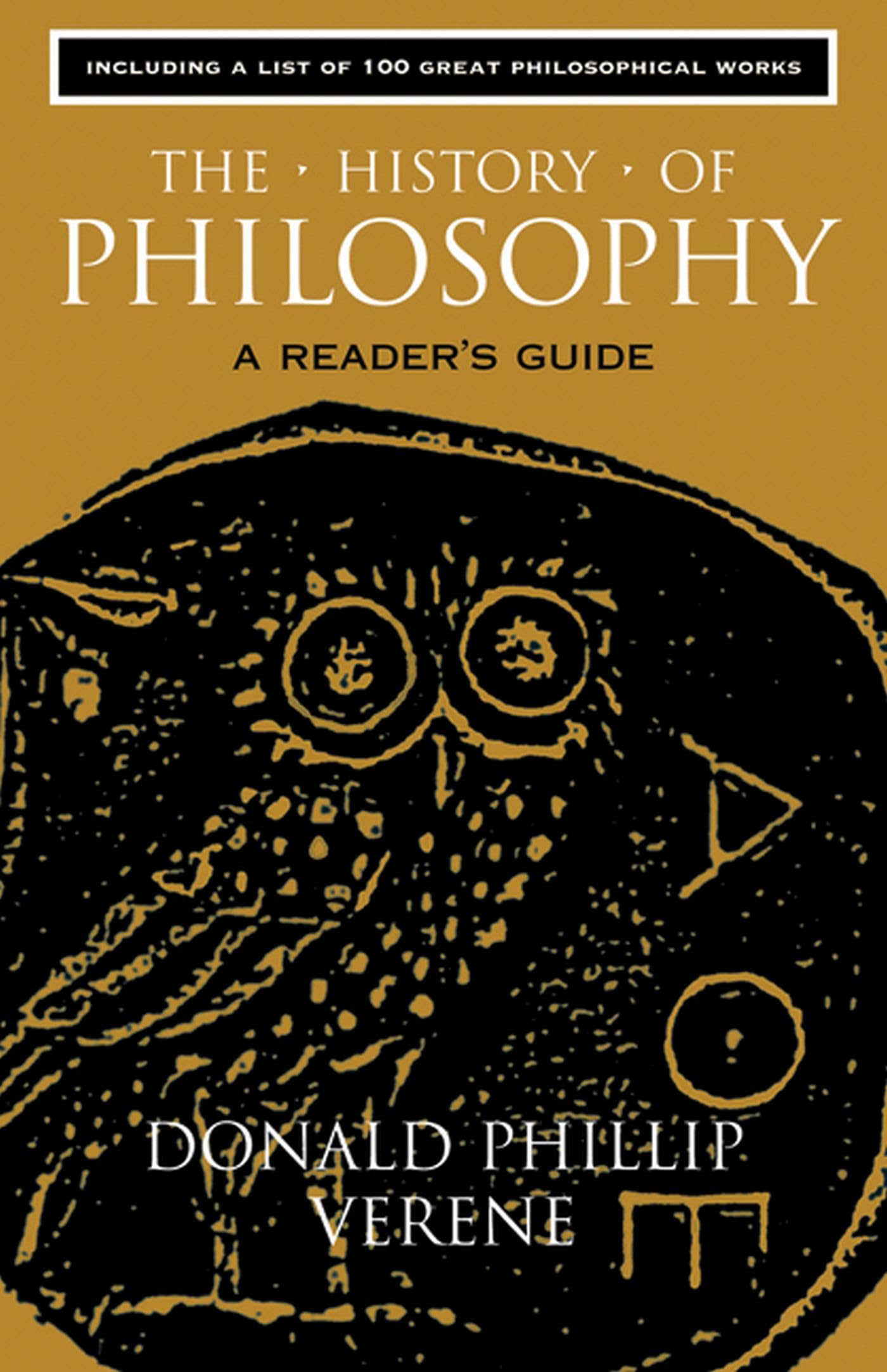
With the aim of guiding readers along, in Hegels words, the long process of education towards genuine philosophy, this introduction emphasizes the importance of striking up a conversation with the past. Only by looking to past masters and their works, it holds, can old memories and prior thought be brought fully to bear on the present. This living past invigorates contemporary practice, enriching todays study and discoveries.In this book, groundbreaking philosopher and author Donald Verene addresses two themes: why should one study the historically great texts and, if such a study is necessary, how can one undertake it? Acting out against the rejection of the idea that there is a philosophical canon, he centers his argument on the tetralogy of Plato, Aristotle, Kant, and Hegel. From his opening look at the rhetorical tradition, he brings those core ideals forward to classical Roman and medieval philosophers and then on into Renaissance and modern philosophy, including contemporary thinkers such as Derrida and Foucault. This vital chronological outline is supplemented by Verenes contextualizing commentary. In ensuing sections, he offers guidance on reading philosophical works with intellectual empathy, suggests 100 essential works to establish a canon, illustrates the role of philosophers in history and society, and examines the nature of history itself. Ultimately, Verene concludes that history may be essential to philosophy, but philosophy is more than just its history.
⚠️ WARNING (California Proposition 65):
This product may contain chemicals known to the State of California to cause cancer, birth defects, or other reproductive harm.
For more information, please visit www.P65Warnings.ca.gov.