
Title
The History Of The American Indians
Sold by Ergodebooks, an authorized reseller.
Returns accepted within 30 days | support@ergodebooks.com
Shipping Information
- Free Standard Shipping — United States only
- Processing Time: 3–5 business days
- Estimated Delivery: 6–10 business days after dispatch
- Double-boxed, fully insured & discreetly packaged
- Tracking number sent via email once dispatched
Returns & Refund
Returns accepted within 30 days of delivery.
Damaged or Defective Item
Free return shipping + replacement or full refund
Wrong Item Received
Free return shipping + replacement or full refund
Change of Mind
Return shipping at customer's expense · 25% restocking fee applies
Payment Option

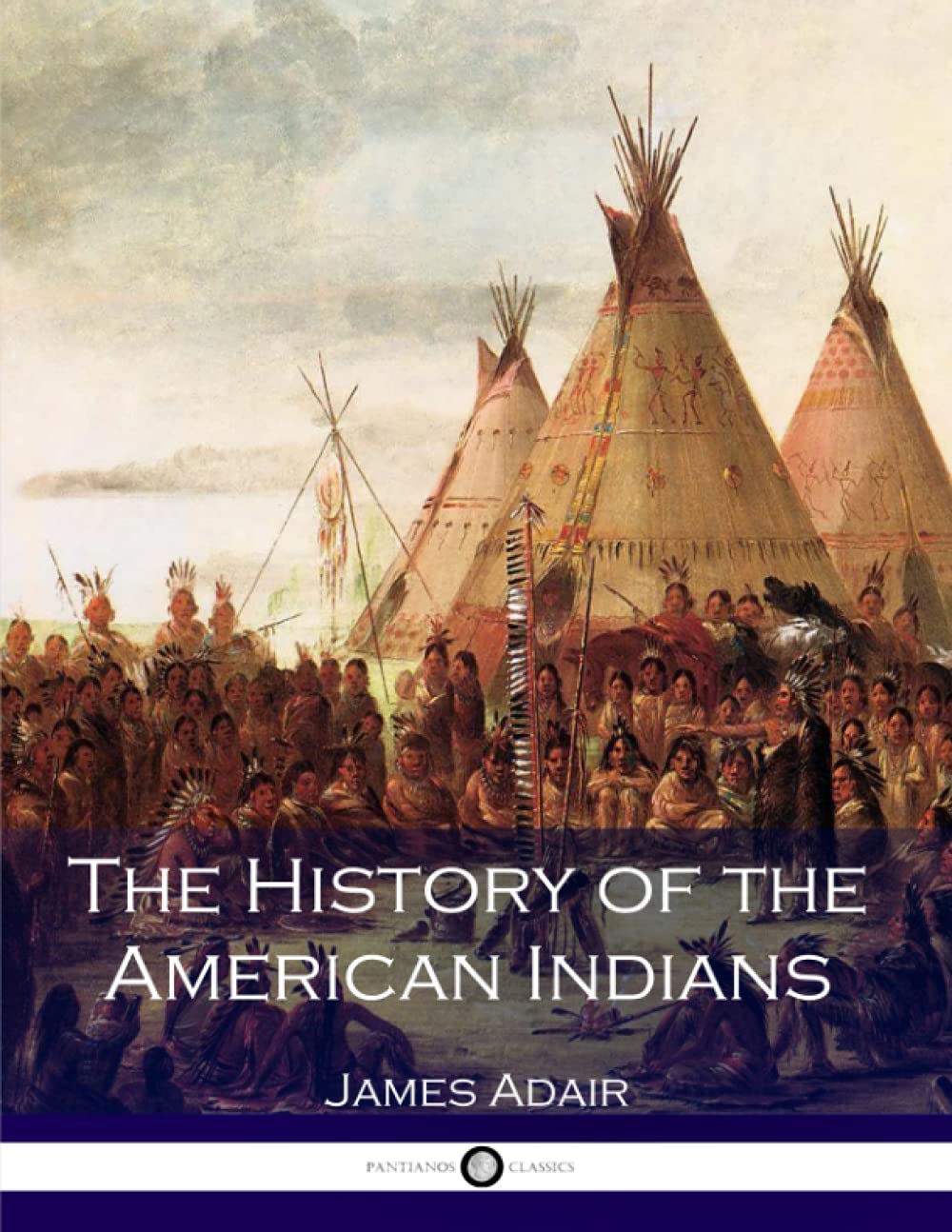
James Adair'S Superb Accounts Of The Native Americans Are Derived From His Personal Experiences Meeting And Interacting With The Various Tribes During The 18Th Century Colonial Era.James Adair Was A Passionate Chronicler, Explorer And Trader Who Ventured Through North America In An Effort To Discover New Lands And Exchange Goods With The Native Peoples. He Spent Decades Traversing What Is Now The Deep South Of The United States, And Was Among The First White Men To Discover Certain Tribes, Distinguishing Between Their Behaviors And Customs With A Depth No Historian Had Managed.Although An Amateur Scholar, Adair Meticulously Recorded His Observations. As A Result, This Book Contains Both Mundane And Profound Facts The Sum Combining To Form An Evocative Picture Of Peoples Now Lost To Time. The Joys Of Community And Traditions Such As Dancing And Ceremonies Are Tempered By The Intertribal Conflicts, Murder And Blood Feuds, Incipient Alcoholism And Increasing Threat Of European Settlers.Close To Half Of This Book Is Dedicated To The Notion That The Native American Tribes Are Descended From The 'Lost Tribes Of Israel'. Now Discredited After Anthropologists Determined The Original Migration Routes, It Is Thought Adair Inserted These Analyses In Part To Cater For Popular Demand At The Time. From The Mid17Th To The Early19Th Century, The Notion That The Native Americans Were Directly Descended From The Israelites Of Ancient Times Was A Popular Phenomena. Many Scholars Postulate That The Book Of Mormon Was Partly Inspired By Adair'S History.The Rest Of Adair'S Work However Contains Insights That Can Never Be Rediscovered Or Elaborated Upon. The Wars And Gradual Conquest Of The Native American Tribes By White Settlers Left Precious Little Of Their Culture Available For Scrutiny By Subsequent Generations Of Historian. As Such, This Book Remains One Of The Most Valuable And Cited Primary Sources On The Subject.
⚠️ WARNING (California Proposition 65):
This product may contain chemicals known to the State of California to cause cancer, birth defects, or other reproductive harm.
For more information, please visit www.P65Warnings.ca.gov.
- Q: How many pages does the book have? A: The book has two hundred five pages. It provides a comprehensive account of the Native American tribes through James Adair's firsthand experiences.
- Q: What is the binding type of this book? A: The book is available in paperback binding. This makes it lightweight and easy to handle for readers.
- Q: What are the book's dimensions? A: The book measures eight and a half inches in length, eleven inches in height, and zero point forty-seven inches in width. These dimensions make it a convenient size for reading.
- Q: What is the main theme of the book? A: The main theme revolves around the history and culture of Native American tribes. James Adair's accounts highlight both their traditions and struggles.
- Q: Is this book suitable for young readers? A: The book is generally suitable for young readers, especially those interested in history. However, it does contain themes of violence and conflict.
- Q: Can this book be used for academic research? A: Yes, this book is often cited as a primary source in academic research. Its detailed observations provide valuable insights into Native American history.
- Q: How should I store this book to keep it in good condition? A: Store the book in a cool, dry place away from direct sunlight. This will help preserve the binding and pages over time.
- Q: Is there any specific care needed for the paperback edition? A: No special care is needed for the paperback edition. Simply handle it gently and keep it away from moisture.
- Q: What should I do if the book arrives damaged? A: If the book arrives damaged, you should contact the seller for a return or exchange. Most sellers offer a satisfaction guarantee.
- Q: Are there any similar books to this one? A: Yes, there are several books focusing on Native American history and culture that share similar themes. Look for titles by other historians or anthropologists.
- Q: What age group is this book most appropriate for? A: The book is most appropriate for readers aged twelve and up. It covers complex historical themes which may require some maturity to fully understand.
- Q: Does the book include illustrations or maps? A: No, this book does not include illustrations or maps. It focuses primarily on text to convey its historical accounts.
- Q: Is there a digital version of this book available? A: Yes, a digital version of the book is available for purchase. This allows for convenient reading on various electronic devices.
- Q: What historical period does the book cover? A: The book covers the eighteenth century colonial era in North America. It details James Adair's interactions with various Native American tribes during this time.
- Q: Who is the author of this book? A: The author of the book is James Adair. He was a chronicler and explorer known for his detailed accounts of Native American life.