
Title
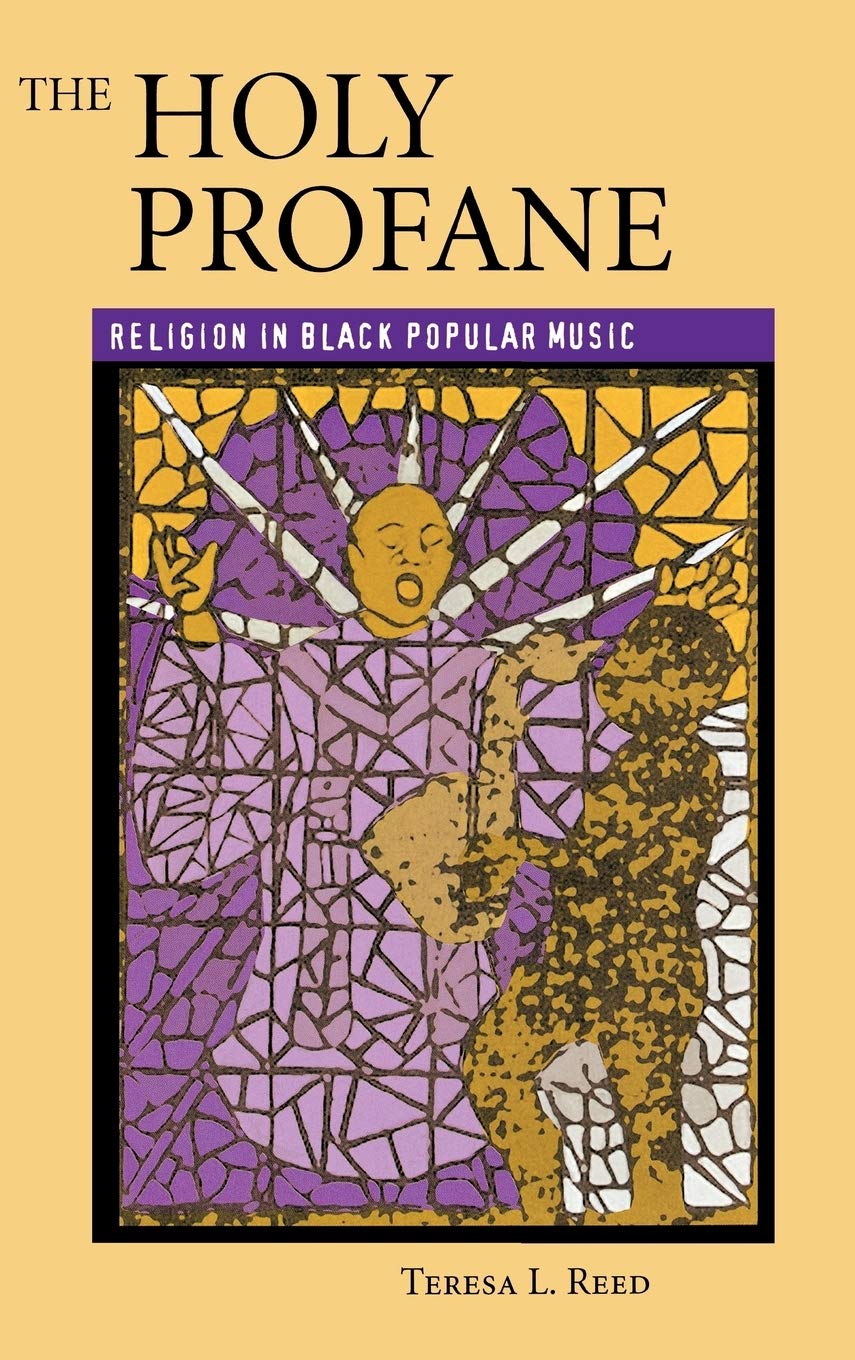
The Holy Profane: Religion In Black Popular Music,Used
Sold by Ergodebooks, an authorized reseller.
Returns accepted within 30 days | support@ergodebooks.com
Shipping Information
- Free Standard Shipping — United States only
- Processing Time: 3–5 business days
- Estimated Delivery: 6–10 business days after dispatch
- Double-boxed, fully insured & discreetly packaged
- Tracking number sent via email once dispatched
Returns & Refund
Returns accepted within 30 days of delivery.
Damaged or Defective Item
Free return shipping + replacement or full refund
Wrong Item Received
Free return shipping + replacement or full refund
Change of Mind
Return shipping at customer's expense · 25% restocking fee applies
Payment Option

Winner of the 2004 ARSC Award for Best Research in Recorded Rock, Rhythm & Blues or Soul, The Holy Profane explores the strong presence of religion in the secular music of twentiethcentury African American artists as diverse as Rosetta Tharpe, Sam Cooke, Stevie Wonder, Marvin Gaye, Earth, Wind & Fire, and Tupac Shakur. Analyzing lyrics and the historical contexts which shaped those lyrics, Teresa L. Reed examines the link between WestAfrican musical and religious culture and the way African Americans convey religious sentiment in styles such as the blues, rhythm and blues, soul, funk, and gangsta rap. She looks at Pentecostalism and black secular music, minstrelsy and its portrayal of black religion, the black church, 'crossing over' from gospel to R&B, images of the black preacher, and the salience of God in the rap of Tupac Shakur.Traditionally, west European culture has drawn distinct divisions between the secular and the sacred in music. Liturgical music belongs in church, not on pop radio, and artists who fuse the two are guilty of sacrilege. In the WestAfrican worldview, however, both music and the divine permeate every imaginable part of lifeso much so that concepts like sacred and secular were entirely foreign to African slaves arriving in the colonies. The Western influence on African Americans eventually resulted in more polarization between these two musical forms, and black musicians who grew up singing in church were often lamented as hellbound once they found popular success. Even these artists, however, never completely left behind their WestAfrican musical ancestry. Reed's exploration of this trend in African American music connects the work of today's artists to their WestAfrican ancestrya tradition that over twohundred years of Western influence could not completely stamp out.
⚠️ WARNING (California Proposition 65):
This product may contain chemicals known to the State of California to cause cancer, birth defects, or other reproductive harm.
For more information, please visit www.P65Warnings.ca.gov.