
Title
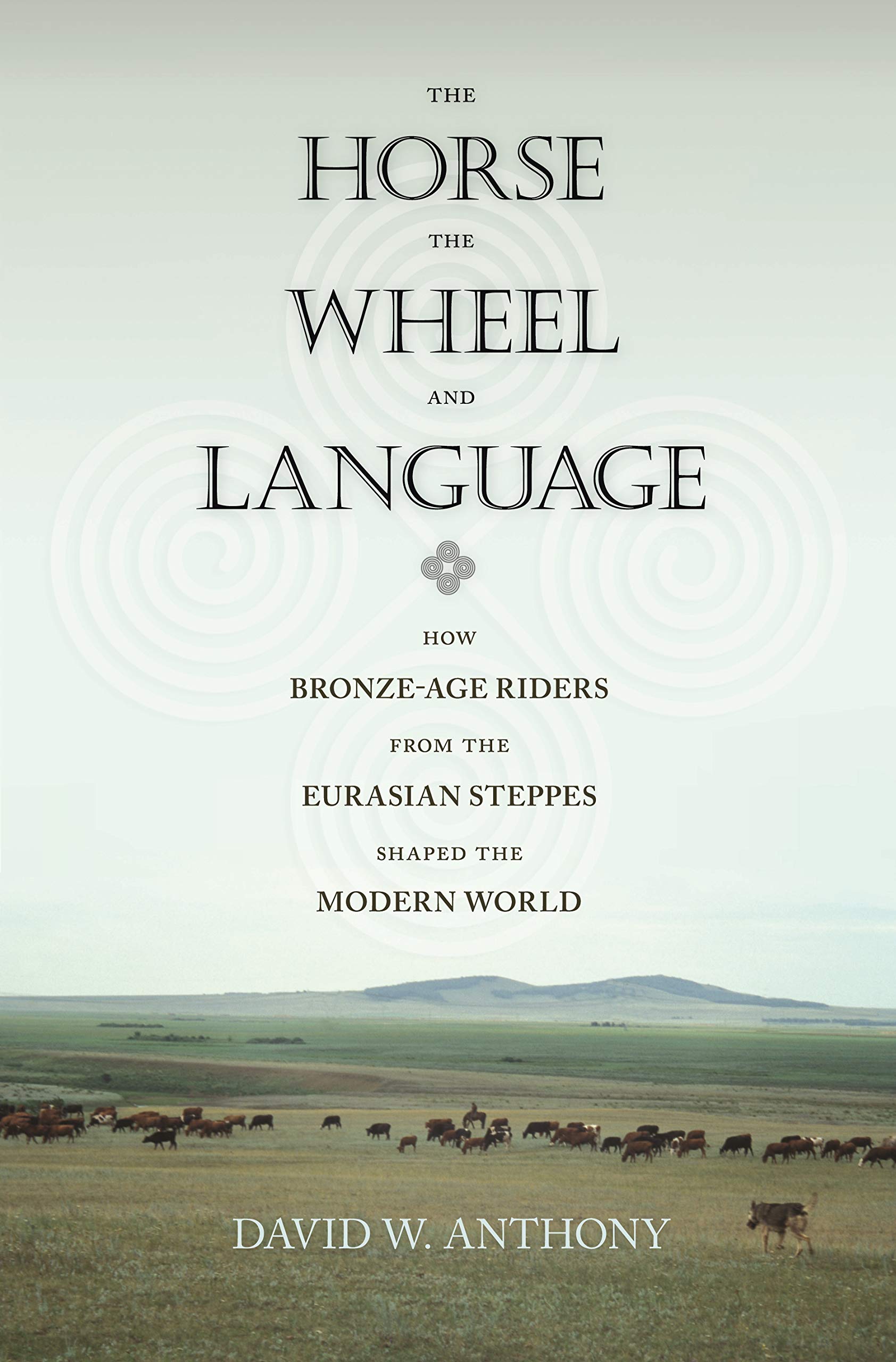
The Horse, the Wheel, and Language: How BronzeAge Riders from the Eurasian Steppes Shaped the Modern World,New
Sold by Ergodebooks, an authorized reseller.
Returns accepted within 30 days | support@ergodebooks.com
Shipping Information
- Free Standard Shipping — United States only
- Processing Time: 3–5 business days
- Estimated Delivery: 6–10 business days after dispatch
- Double-boxed, fully insured & discreetly packaged
- Tracking number sent via email once dispatched
Returns & Refund
Returns accepted within 30 days of delivery.
Damaged or Defective Item
Free return shipping + replacement or full refund
Wrong Item Received
Free return shipping + replacement or full refund
Change of Mind
Return shipping at customer's expense · 25% restocking fee applies
Payment Option

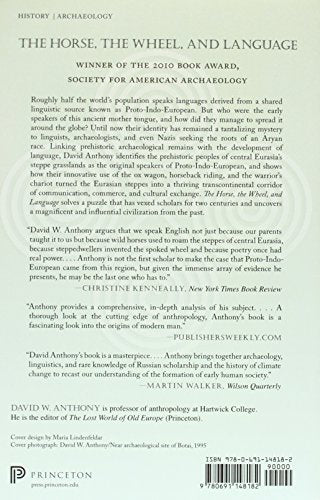
A fascinating look into the origins of modern man.'Publishers WeeklyA book that solves the mystery of the people who spread the ancient mother tongue that gave us English and the other languages spoken by half of humanity today'Authoritative.'New York Times ? 'A masterpiece.'Wilson QuarterlyRoughly half the world's population speaks languages derived from a shared linguistic source known as ProtoIndoEuropean. But who were the early speakers of this ancient mother tongue, and how did they manage to spread it around the globe? Until now their identity has remained a tantalizing mystery to linguists, archaeologists, and even Nazis seeking the roots of the Aryan race. The Horse, the Wheel, and Language lifts the veil that has long shrouded these original IndoEuropean speakers, and reveals how their domestication of horses and use of the wheel spread language and transformed civilization.Linking prehistoric archaeological remains with the development of language, David Anthony identifies the prehistoric peoples of central Eurasia's steppe grasslands as the original speakers of ProtoIndoEuropean, and shows how their innovative use of the ox wagon, horseback riding, and the warrior's chariot turned the Eurasian steppes into a thriving transcontinental corridor of communication, commerce, and cultural exchange. He explains how they spread their traditions and gave rise to important advances in copper mining, warfare, and patronclient political institutions, thereby ushering in an era of vibrant social change. Anthony also describes his fascinating discovery of how the wear from bits on ancient horse teeth reveals the origins of horseback riding.The Horse, the Wheel, and Language solves a puzzle that has vexed scholars for two centuriesthe source of the IndoEuropean languages and Englishand recovers a magnificent and influential civilization from the past.
⚠️ WARNING (California Proposition 65):
This product may contain chemicals known to the State of California to cause cancer, birth defects, or other reproductive harm.
For more information, please visit www.P65Warnings.ca.gov.
- Q: What is the main topic of 'The Horse, the Wheel, and Language'? A: The book explores the origins of the Proto-Indo-European language and its speakers, highlighting how Bronze-Age riders from the Eurasian steppes influenced the development of modern languages and civilization.
- Q: Who is the author of this book? A: The author of 'The Horse, the Wheel, and Language' is David W. Anthony, a recognized scholar in the field of archaeology and linguistics.
- Q: What are the key themes discussed in the book? A: Key themes include the domestication of horses, the invention of the wheel, the spread of language, and the cultural exchanges that shaped ancient civilizations.
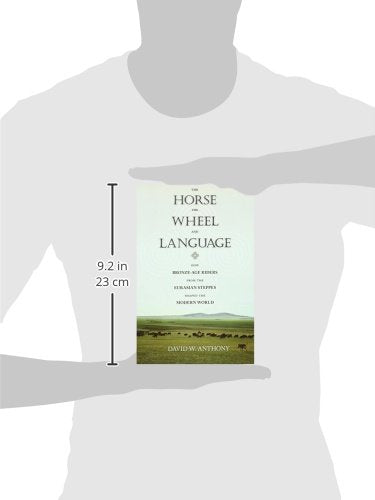
- Q: How many pages does this book have? A: The book contains 568 pages, providing an in-depth exploration of its subject matter.
- Q: What type of binding does the book have? A: The book is available in paperback binding, making it lightweight and easy to handle.
- Q: When was 'The Horse, the Wheel, and Language' published? A: The book was published on August 15, 2010.
- Q: Is this book illustrated? A: Yes, it is an illustrated edition, which includes visuals that complement the text and enhance understanding of the topics discussed.
- Q: What is the condition of the book? A: The book is in new condition, ensuring that it is free from wear and tear.
- Q: What category does this book fall under? A: This book is categorized under Ancient Civilizations, making it suitable for readers interested in history and linguistics.
- Q: What makes this book significant in the field of linguistics? A: The book addresses a long-standing mystery regarding the origins of the Indo-European languages, integrating archaeological findings with linguistic analysis to present a comprehensive theory.