
Title
The Huasteca: Culture, History, And Interregional Exchange,Used
Sold by Ergodebooks, an authorized reseller.
Returns accepted within 30 days | support@ergodebooks.com
Shipping Information
- Free Standard Shipping — United States only
- Processing Time: 3–5 business days
- Estimated Delivery: 6–10 business days after dispatch
- Double-boxed, fully insured & discreetly packaged
- Tracking number sent via email once dispatched
Returns & Refund
Returns accepted within 30 days of delivery.
Damaged or Defective Item
Free return shipping + replacement or full refund
Wrong Item Received
Free return shipping + replacement or full refund
Change of Mind
Return shipping at customer's expense · 25% restocking fee applies
Payment Option

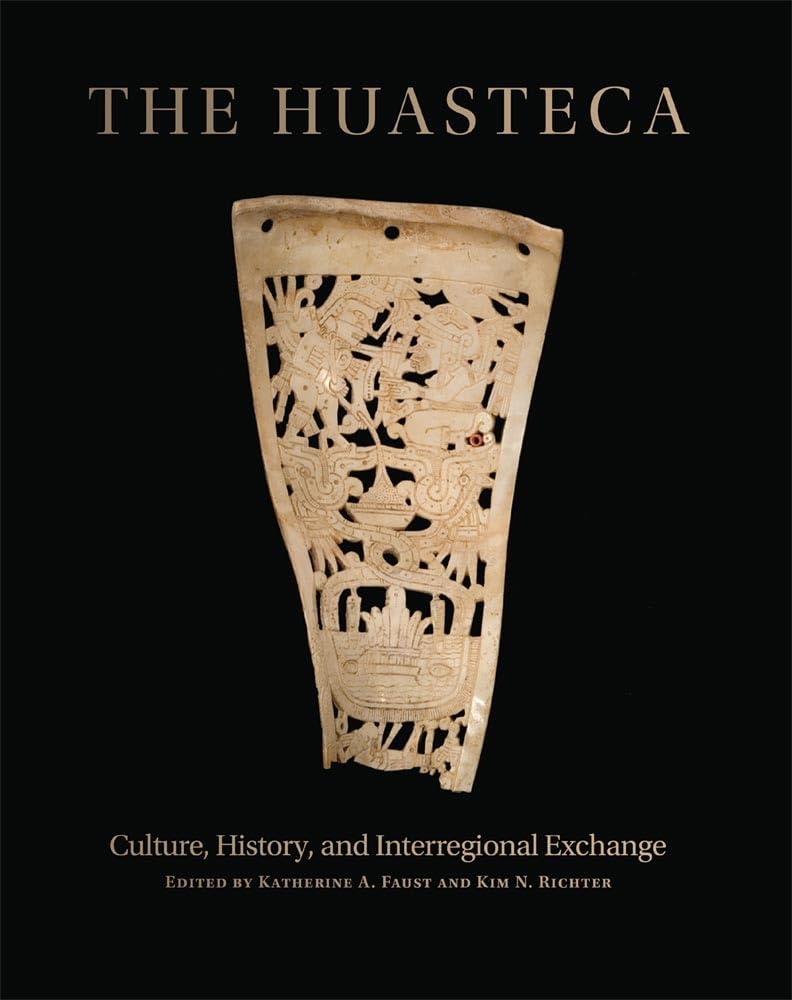
The Huasteca, a region on the northern Gulf Coast of Mexico, was for centuries a preColumbian crossroads for peoples, cultures, arts, and trade. Its multiethnic inhabitants influenced, and were influenced by, surrounding regions, ferrying unique artistic styles, languages, and other cultural elements to neighboring areas and beyond. In The Huasteca: Culture, History, and Interregional Exchange, a range of authorities on art, history, archaeology, and cultural anthropology bring longoverdue attention to the regions rich contributions to the preColumbian world. They also assess how the Huasteca fared from colonial times to the present. The authors call critical, even urgent attention to a region highly significant to Mesoamerican history but long neglected by scholars.Editors Katherine A. Faust and Kim N. Richter put the plight and the importance of the Huasteca into historical and cultural context. They address challenges to study of the region, ranging from confusion about the term Huasteca (a legacy of the Aztec conquest in the late fifteenth century) to presentday misconceptions about the regions role in preColumbian history. Many of the contributions included here consider the Huastecas interactions with other regions, particularly the American Southeast and the southern Gulf Coast of Mexico. PreColumbian Huastec inhabitants, for example, wore trapezoidshaped shell ornaments unique in Mesoamerica but similar to those found along the Mississippi River.With extensive examples drawn from archaeological evidence, and supported by nearly 200 images, the contributors explore the Huasteca as a junction where art, material culture, customs, ritual practices, and languages were exchanged. While most of the essays focus on preColumbian periods, a few address the early colonial period and contemporary agricultural and religious practices. Together, these essays illuminate the Huastecas significant legacy and the crosscultural connections that still resonate in the region today.
⚠️ WARNING (California Proposition 65):
This product may contain chemicals known to the State of California to cause cancer, birth defects, or other reproductive harm.
For more information, please visit www.P65Warnings.ca.gov.