
Title
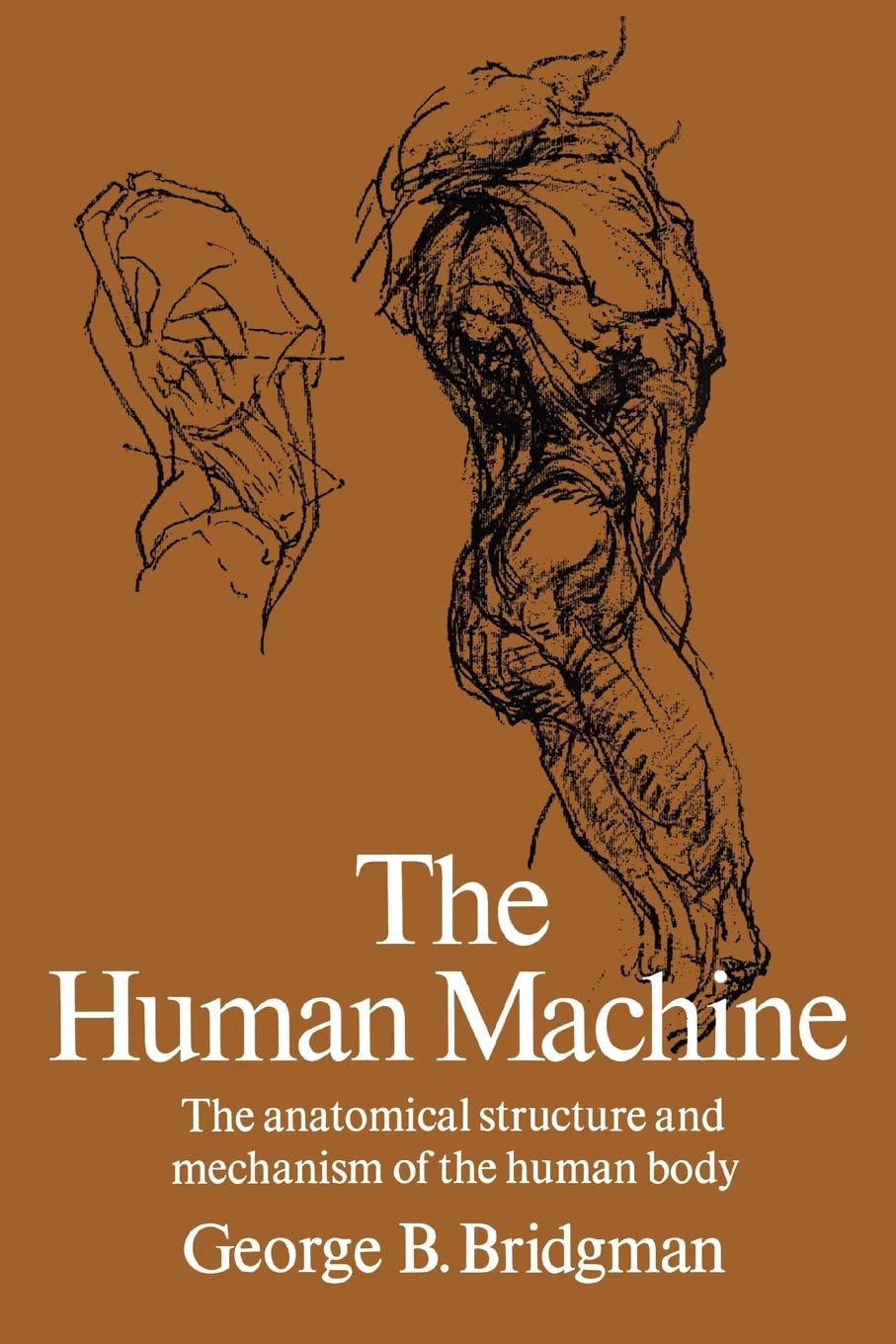
The Human Machine (Dover Anatomy For Artists)
Sold by Ergodebooks, an authorized reseller.
Returns accepted within 30 days | support@ergodebooks.com
Shipping Information
- Free Standard Shipping — United States only
- Processing Time: 3–5 business days
- Estimated Delivery: 6–10 business days after dispatch
- Double-boxed, fully insured & discreetly packaged
- Tracking number sent via email once dispatched
Returns & Refund
Returns accepted within 30 days of delivery.
Damaged or Defective Item
Free return shipping + replacement or full refund
Wrong Item Received
Free return shipping + replacement or full refund
Change of Mind
Return shipping at customer's expense · 25% restocking fee applies
Payment Option

What Is The Difference Between Art Anatomy And Bridgman'S Concept Of The Human Machine? The Human Machine Is The Body As Not Only A Fixed Framework But Also As A Complex Work Of Art Which Moves And Was Designed To Move.In Over 400 Drawings, George B. Bridgman Demonstrates The Machine Through The Presentations Which Made Him A Gifted Lecturer And Teacher In His Nearly Fifty Years At The Art Students League In New York And Which Gave Life To Drawings By His Many Students During Those Years. All Skeletal And Muscular Systems Are Fully Identified, And All Are Shown In Front, Back, And Side Views.The Human Machine Begins With The Framework Of Bones. In Each Section (Head, Neck, Hand, Arm, Forearm, Elbow, Trunk, Shoulder, Back, Scapular Region, Pelvis, Hip, Thigh, Leg, Knee, Foot, And Toe As Well As The Combinations Of The Major Sections Working Together), George Bridgman Starts With The Skeletal Components Of The System; Then He Adds The Muscles, Shows The Changes In The Muscles As The Body Moves And, Finally, Shows The Appearance Of The Bodily Section In Action. At The Title Implies, Bridgman, Throughout, Supplements His Anatomical Work With Comparative Drawings Of Simple Machines. The Anatomical Approach To Figure Drawing Is The Foundation For The Study Of Human Form, And As In His Other Books On Figure Drawing, Bridgman'S Life Drawing And The Book Of A Hundred Hands, Bridgman'S Approach To The Subject Is Important And Unique. The Human Machine Will Give Students And Serious Artists The Conception Of The Human Structure As The Complex Of Beautiful Machines It Is, And Will Show How Bone And Muscle Structures Are Solely Responsible For Our Movements And For The Shapes Which We, At Various Times, Display.
⚠️ WARNING (California Proposition 65):
This product may contain chemicals known to the State of California to cause cancer, birth defects, or other reproductive harm.
For more information, please visit www.P65Warnings.ca.gov.
- Q: What are the dimensions of 'The Human Machine'? A: The book measures six point five three inches in length, zero point four inches in width, and nine point two five inches in height. It’s a compact resource for artists.
- Q: How many pages does 'The Human Machine' have? A: This book contains one hundred sixty pages. It provides extensive illustrations and insights into human anatomy for artists.
- Q: What type of binding does 'The Human Machine' have? A: The book is paperback bound. This makes it lightweight and easy to handle for artists and students alike.
- Q: Who is the author of 'The Human Machine'? A: The author is George B. Bridgman. He is well-known for his expertise in art anatomy and teaching.
- Q: What is the main focus of 'The Human Machine'? A: The book focuses on the human body as a complex work of art. It explores anatomy through detailed illustrations and comparative drawings.
- Q: Is 'The Human Machine' suitable for beginners? A: Yes, it is suitable for beginners. The illustrations and explanations make it accessible for artists at all skill levels.
- Q: How can I use 'The Human Machine' effectively? A: You can use it as a reference for figure drawing. The detailed anatomical illustrations help in understanding human movement and structure.
- Q: Is 'The Human Machine' appropriate for children? A: Yes, it is appropriate for older children interested in art. However, parental guidance is recommended for younger audiences.
- Q: What age group is 'The Human Machine' intended for? A: The book is primarily intended for teenagers and adults. It caters to those serious about learning figure drawing.
- Q: How do I store 'The Human Machine' to keep it in good condition? A: Store the book upright in a cool, dry place. Avoid exposure to direct sunlight to prevent fading.
- Q: Can I clean 'The Human Machine'? A: Yes, you can gently wipe the cover with a soft, dry cloth. Avoid using water or cleaning solutions that may damage the pages.
- Q: What should I do if 'The Human Machine' arrives damaged? A: Contact the seller for a return or exchange. Keep the original packaging to facilitate the return process.
- Q: Does 'The Human Machine' include any color illustrations? A: No, the illustrations are primarily black and white. This focus highlights the anatomical details without distraction.
- Q: How does 'The Human Machine' compare to other anatomy books? A: Unlike many anatomy books, this one emphasizes the dynamic nature of the human body. It integrates art and anatomy seamlessly.
- Q: Is there a warranty or guarantee for 'The Human Machine'? A: Warranties vary by retailer. Check with the seller for specific policies regarding returns and exchanges.