
Title
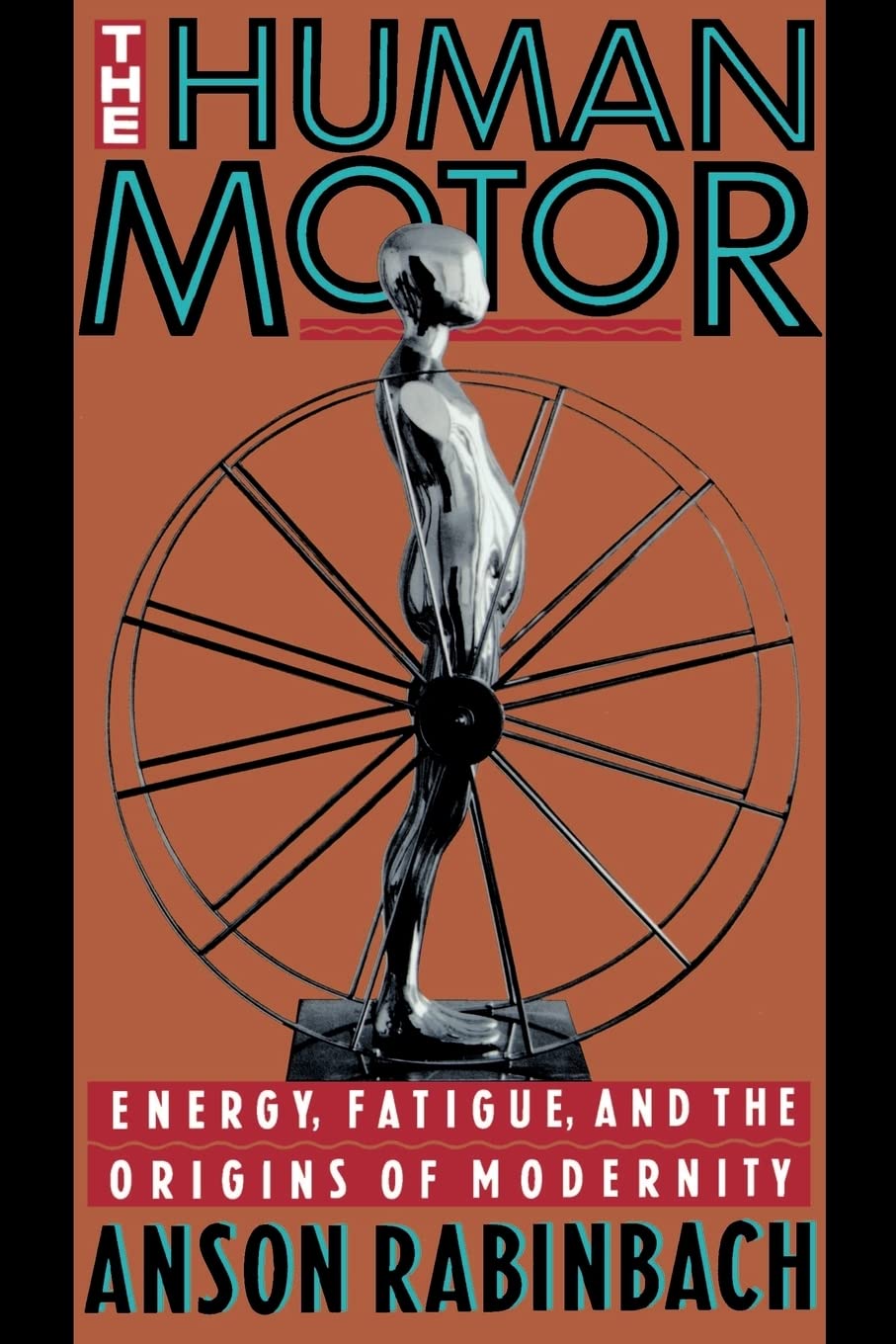
The Human Motor: Energy, Fatigue, And The Origins Of Modernity,New
Sold by Ergodebooks, an authorized reseller.
Returns accepted within 30 days | support@ergodebooks.com
Shipping Information
- Free Standard Shipping — United States only
- Processing Time: 3–5 business days
- Estimated Delivery: 6–10 business days after dispatch
- Double-boxed, fully insured & discreetly packaged
- Tracking number sent via email once dispatched
Returns & Refund
Returns accepted within 30 days of delivery.
Damaged or Defective Item
Free return shipping + replacement or full refund
Wrong Item Received
Free return shipping + replacement or full refund
Change of Mind
Return shipping at customer's expense · 25% restocking fee applies
Payment Option

Science Once Had An Unshakable Faith In Its Ability To Bring The Forces Of Natureeven Human Natureunder Control. In This Wideranging Book Anson Rabinbach Examines How Developments In Physics, Biology, Medicine, Psychology, Politics, And Art Employed The Metaphor Of The Working Body As A Human Motor.From Nineteenthcentury Theories Of Thermodynamics And Political Economy To The Twentiethcentury Ideals Of Taylorism And Fordism, Rabinbach Demonstrates How The Utopian Obsession With Energy And Fatigue Shaped Social Thought Across The Ideological Spectrum.
⚠️ WARNING (California Proposition 65):
This product may contain chemicals known to the State of California to cause cancer, birth defects, or other reproductive harm.
For more information, please visit www.P65Warnings.ca.gov.
- Q: What is the page count of this book? A: This book contains four hundred thirty-two pages. It offers an in-depth exploration of the relationship between energy and human nature.
- Q: What are the dimensions of this book? A: The dimensions of this book are five point eight inches in length, one point zero eight inches in width, and eight point nine inches in height. These measurements make it a comfortable size for reading.
- Q: What type of binding does this book have? A: This book is published in paperback binding. This allows for flexibility and ease of handling while reading.
- Q: Who is the author of this book? A: The author of this book is Anson Rabinbach. He is known for his extensive work in the fields of history and philosophy.
- Q: What is the genre of this book? A: This book falls under the genre of Economic History. It examines the intersections of science, society, and energy.
- Q: Is this book suitable for all ages? A: Yes, this book is generally suitable for adults and older teens. However, it contains complex themes that may be more appropriate for mature readers.
- Q: How do I read this book effectively? A: To read this book effectively, consider taking notes on key concepts and themes. Engaging with the text critically will enhance your understanding.
- Q: Does this book require any prior knowledge? A: No, prior knowledge is not required, but familiarity with basic concepts in economics and history may enhance comprehension.
- Q: What is the best way to store this book? A: Store this book in a cool, dry place on a bookshelf, away from direct sunlight. This will help preserve its quality over time.
- Q: How should I clean this book? A: To clean this book, gently wipe the cover with a soft, dry cloth. Avoid using water or cleaning solutions that could damage the pages.
- Q: Can I return this book if I don't like it? A: Yes, most sellers offer a return policy if you are not satisfied with the book. Check the specific return guidelines before purchasing.
- Q: What if the book arrives damaged? A: If the book arrives damaged, you should contact the seller immediately for assistance. Most sellers will provide a replacement or refund.
- Q: Is this book available in digital format? A: Yes, this book may be available in digital format. Check with retailers to see if an eBook version is offered.
- Q: How does this book compare to other works in the same genre? A: This book offers a unique perspective by integrating scientific insights with historical analysis, distinguishing it from other economic history texts.
- Q: Is this book a good choice for academic research? A: Yes, this book is a valuable resource for academic research in economic history and related fields due to its thorough examination of key concepts.
- Q: Can I find references to other authors in this book? A: Yes, this book references various authors and theories throughout its text, providing a comprehensive understanding of the topics discussed.