
Title
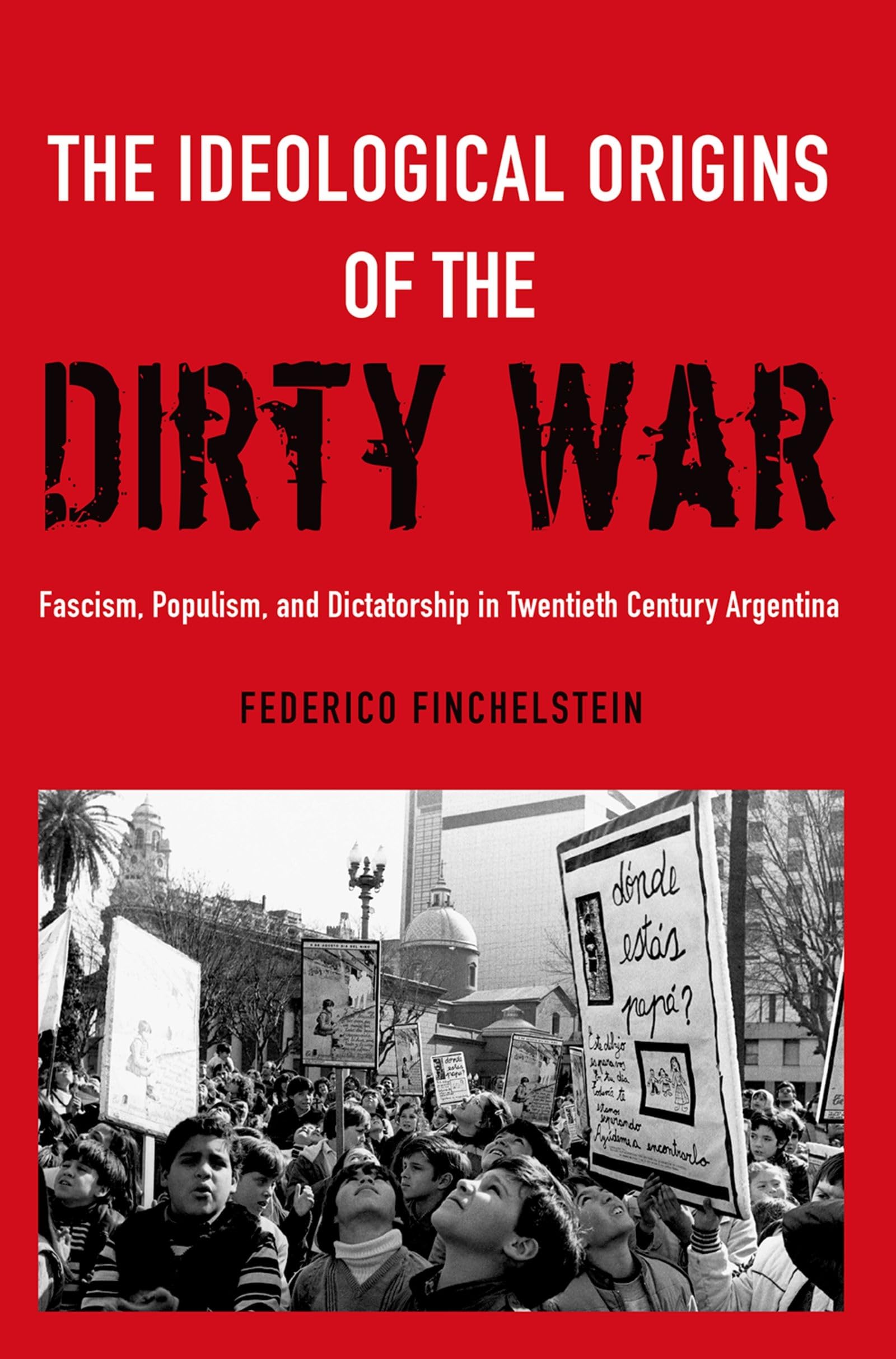
The Ideological Origins Of The Dirty War: Fascism, Populism, And Dictatorship In Twentieth Century Argentina,New
Sold by Ergodebooks, an authorized reseller.
Returns accepted within 30 days | support@ergodebooks.com
Shipping Information
- Free Standard Shipping — United States only
- Processing Time: 3–5 business days
- Estimated Delivery: 6–10 business days after dispatch
- Double-boxed, fully insured & discreetly packaged
- Tracking number sent via email once dispatched
Returns & Refund
Returns accepted within 30 days of delivery.
Damaged or Defective Item
Free return shipping + replacement or full refund
Wrong Item Received
Free return shipping + replacement or full refund
Change of Mind
Return shipping at customer's expense · 25% restocking fee applies
Payment Option

Argentina Is Famous For Its Ties With Fascism As Well As Its Welcoming Of Nazi War Criminals After World War Ii. At Midcentury, It Was The Home Of Peronism. It Was Also The Birthplace Of The Dirty War And One Of Latin America'S Most Criminal Dictatorships In The 1970S And Early 1980S. How And Why Did All Of These Regimes Emerge In A Country That Was 'Born Liberal'? Why Did These Authoritarian Traits First Emerge In Argentina Under The Shadow Of Fascism?In This Book, Federico Finchelstein Tells The History Of Modern Argentina As Seen From The Perspective Of Political Violence And Ideology. He Focuses On The Theory And Practice Of The Fascist Idea In Argentine Political Culture Throughout The Twentieth Century, Analyzing The Connections Between Fascist Theory And The Holocaust, Antisemitism, And The Military Junta'S Practices Of Torture And State Violence, With Its Networks Of Concentration Camps And Extermination. The Book Demonstrates How The State'S War Against Its Citizens Was Rooted In Fascist Ideology, Explaining The Argentine Variant Of Fascism, Formed By Nacionalistas, And Its Links With European Fascism And Catholicism. It Particularly Emphasizes The Genocidal Dimensions Of The Persecution Of Argentine Jewish Victims. The Destruction Of The Rule Of Law And Military State Terror During The Dirty War, Finchelstein Shows, Was The Product Of Many Political And Ideological Reformulations And Personifications Of Fascism.The Ideological Origins Of The Dirty War Provides A Genealogy Of Statesanctioned Terror, Revealing Fascism As Central To Argentina'S Political Culture And Its Violent Twentieth Century.
⚠️ WARNING (California Proposition 65):
This product may contain chemicals known to the State of California to cause cancer, birth defects, or other reproductive harm.
For more information, please visit www.P65Warnings.ca.gov.
- Q: How many pages are in the book? A: The book contains two hundred thirty-two pages. This length provides a comprehensive exploration of Argentina's political history.
- Q: What are the dimensions of the book? A: The book measures six point one inches in length, nine point one inches in height, and zero point six inches in width. These dimensions make it a convenient size for reading and storage.
- Q: Who is the author of the book? A: The author is Federico Finchelstein. He is known for his expertise in Latin American history and political ideologies.
- Q: What type of binding does this book have? A: The book is available in paperback binding. This makes it lightweight and easy to handle.
- Q: What is the main subject of the book? A: The main subject is the ideological origins of the Dirty War in Argentina. It explores the connections between fascism, populism, and dictatorship.
- Q: Is this book suitable for academic study? A: Yes, this book is suitable for academic study. It provides in-depth analysis and historical context, making it valuable for research and coursework.
- Q: How does the book approach the topic of fascism? A: The book analyzes the theory and practice of fascism in Argentine political culture. It connects this ideology to historical events like the Holocaust and state violence.
- Q: Can this book be read by beginners? A: Yes, beginners can read this book. While it deals with complex themes, Finchelstein's writing is accessible to a general audience.
- Q: What themes are explored in the book? A: The book explores themes of political violence, ideology, and state-sanctioned terror. It highlights the genocidal dimensions of persecution in Argentina.
- Q: How should I store the book to keep it in good condition? A: Store the book in a cool, dry place away from direct sunlight. This helps prevent fading and damage to the pages and cover.
- Q: Is there any special care needed for the paperback edition? A: Yes, handle the paperback book carefully to avoid creasing the cover or pages. Keep it flat when not in use to maintain its shape.
- Q: What should I do if the book arrives damaged? A: If the book arrives damaged, contact the seller for a return or exchange. Most sellers have policies in place for damaged items.
- Q: Is this book appropriate for high school students? A: Yes, this book is appropriate for high school students. It offers insights into historical and political issues relevant to their studies.
- Q: Are there any illustrations or images in the book? A: No, this book does not contain illustrations or images. It focuses on text to convey its historical arguments.
- Q: How can I find more books by Federico Finchelstein? A: You can find more books by Federico Finchelstein through online retailers or libraries. Search for his name to see his published works.
- Q: What is the book's perspective on the Dirty War? A: The book provides a critical perspective on the Dirty War, linking it to the broader context of fascism and political violence in Argentina.