If you have any questions, you are always welcome to contact us. We'll get back to you as soon as possible, withing 24 hours on weekdays.
Customer service
All questions about your order, return and delivery must be sent to our customer service team by e-mail at yourstore@yourdomain.com
Sale & Press
If you are interested in selling our products, need more information about our brand or wish to make a collaboration, please contact us at press@yourdomain.com
Help
If you have any questions, you are always welcome to contact us. We'll get back to you as soon as possible, withing 24 hours on weekdays.
Customer service
All questions about your order, return and delivery must be sent to our customer service team by e-mail at yourstore@yourdomain.com
Sale & Press
If you are interested in selling our products, need more information about our brand or wish to make a collaboration, please contact us at press@yourdomain.com
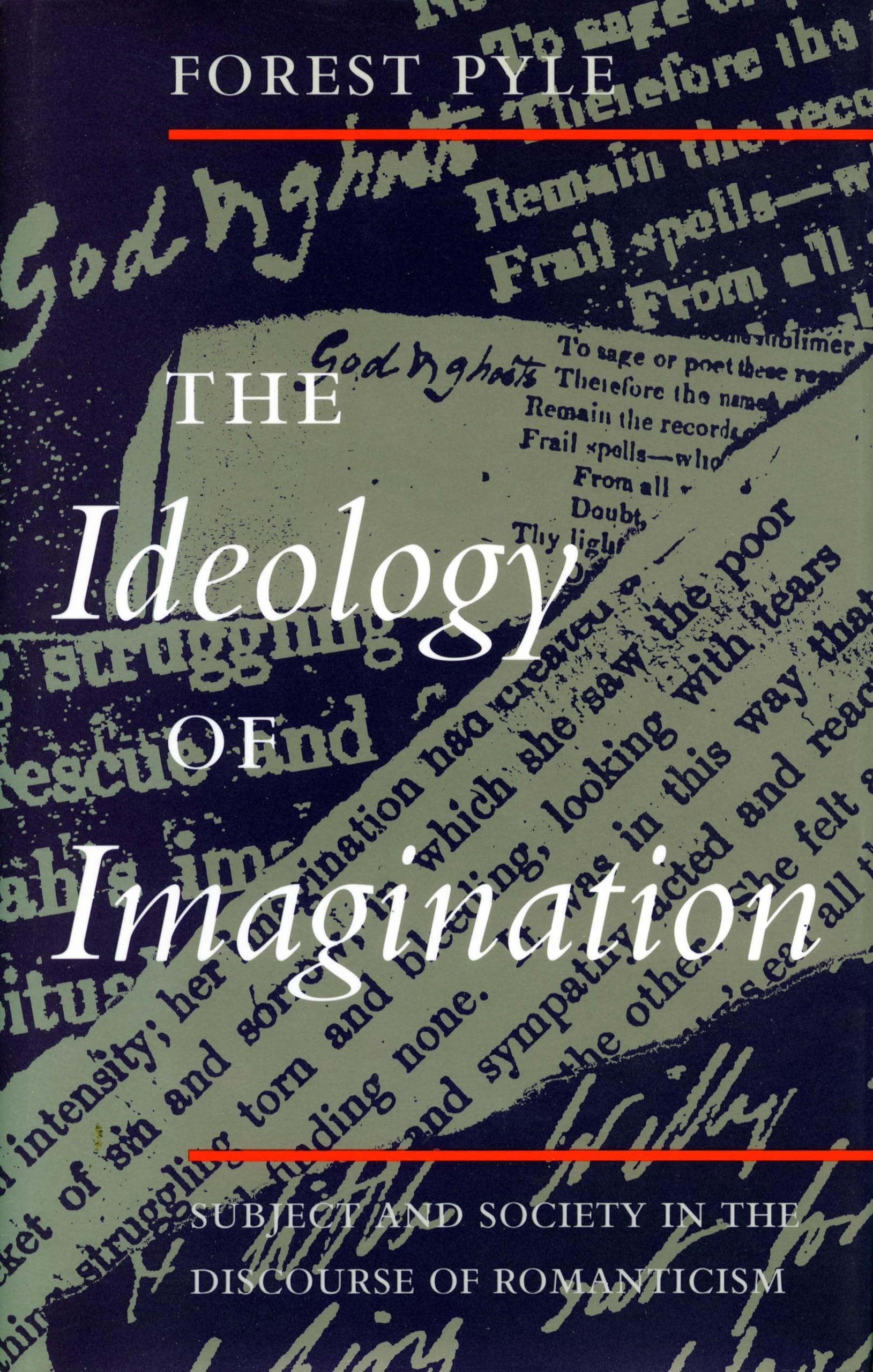
Exploring how the concept of the imagination is figured in some principal texts of English Romanticism, this book convincingly argues that this figuring is a deeply ideological activity which reveals important social and political investments. By attending to the textual figures of the imagination, the book sheds critical light not only on Romanticism but on the very workings of ideology.To demonstrate his thesis, the author undertakes critical rereadings of four major Romantic authors Coleridge, Wordsworth, Shelley, and Keats and shows how the legacy of ideology and imagination is reflected in the novels of George Eliot. He shows that for each of these writers, the imagination is neither a faculty that can be presumed nor one idea among others; it is something that must be theorized and, in Coleridge's words, 'instituted.' Once instituted, Coleridge asserts, the imagination can address England's fundamental social antagonisms and help restore national unity. More pointedly, the institution of the imagination is the cornerstone of a 'revolution in philosophy' that would prevent the importation of a more radical and more French political revolution.In the process of rereading the Romantic tradition, the author undertakes a critical reconsideration of the articulations between Marxism and deconstruction, particularly as expressed in the work of Louis Althusser and Paul de Man.
⚠️ WARNING (California Proposition 65):
This product may contain chemicals known to the State of California to cause cancer,
birth defects, or other reproductive harm.
For MAP (Minimum Advertised Price) violations and Intellectual Property (IP) or Trademark concerns, please contact:
support@ergodebooks.com
⚠️ California Proposition 65 Warning: Some products sold on this website may expose you to chemicals known to the State of California to cause cancer, birth defects, or other reproductive harm. For more information, visit www.P65Warnings.ca.gov.