
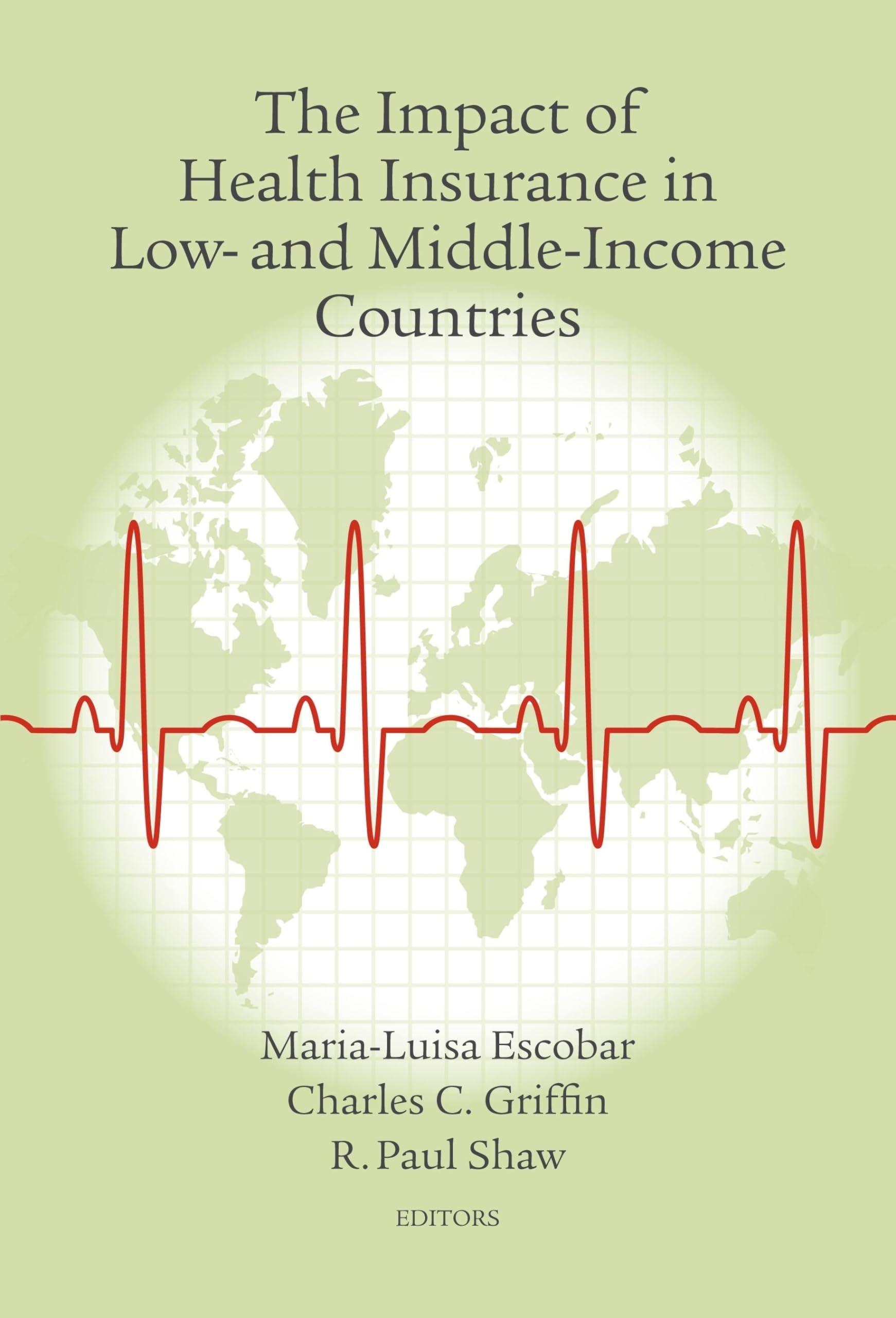
Title
The Impact Of Health Insurance In Low And Middleincome Countries,Used
Sold by Ergodebooks, an authorized reseller.
Returns accepted within 30 days | support@ergodebooks.com
Shipping Information
- Free Standard Shipping — United States only
- Processing Time: 3–5 business days
- Estimated Delivery: 6–10 business days after dispatch
- Double-boxed, fully insured & discreetly packaged
- Tracking number sent via email once dispatched
Returns & Refund
Returns accepted within 30 days of delivery.
Damaged or Defective Item
Free return shipping + replacement or full refund
Wrong Item Received
Free return shipping + replacement or full refund
Change of Mind
Return shipping at customer's expense · 25% restocking fee applies
Payment Option

Over the past twenty years, many low and middleincome countries have experimented with health insurance options. While their plans have varied widely in scale and ambition, their goals are the same: to make health services more affordable through the use of public subsidies while also moving care providers partially or fully into competitive markets.Colombia embarked in 1993 on a fifteenyear effort to cover its entire population with insurance, in combination with greater freedom to choose among providers. A decade later Mexico followed suit with a program tailored to its federal system. Several African nations have introduced new programs in the past decade, and many are testing options for reform. For the past twenty years, Eastern Europe has been shifting from governmentrun care to insurancebased competitive systems, and both China and India have experimental programs to expand coverage. These nations are betting that insurancebased health care financing can increase the accessibility of services, increase providers' productivity, and change the population's health care use patterns, mirroring the development of health systems in most OECD countries.Until now, however, we have known little about the actual effects of these dramatic policy changes. Understanding the impact of health insurancebased care is key to the public policy debate of whether to extend insurance to lowincome populationsand if so, how to do itor to serve them through other means.Using recent household data, this book presents evidence of the impact of insurance programs in China, Colombia, Costa Rica, Ghana, Indonesia, Namibia, and Peru. The contributors also discuss potential design improvements that could increase impact. They provide innovative insights on improving the evaluation of health insurance reforms and on building a robust knowledge base to guide policy as other countries tackle the health insurance challenge.'
⚠️ WARNING (California Proposition 65):
This product may contain chemicals known to the State of California to cause cancer, birth defects, or other reproductive harm.
For more information, please visit www.P65Warnings.ca.gov.