
Title
The Imperial Museums of Meiji Japan: Architecture and the Art of the Nation,New
Sold by Ergodebooks, an authorized reseller.
Returns accepted within 30 days | support@ergodebooks.com
Shipping Information
- Free Standard Shipping — United States only
- Processing Time: 3–5 business days
- Estimated Delivery: 6–10 business days after dispatch
- Double-boxed, fully insured & discreetly packaged
- Tracking number sent via email once dispatched
Returns & Refund
Returns accepted within 30 days of delivery.
Damaged or Defective Item
Free return shipping + replacement or full refund
Wrong Item Received
Free return shipping + replacement or full refund
Change of Mind
Return shipping at customer's expense · 25% restocking fee applies
Payment Option

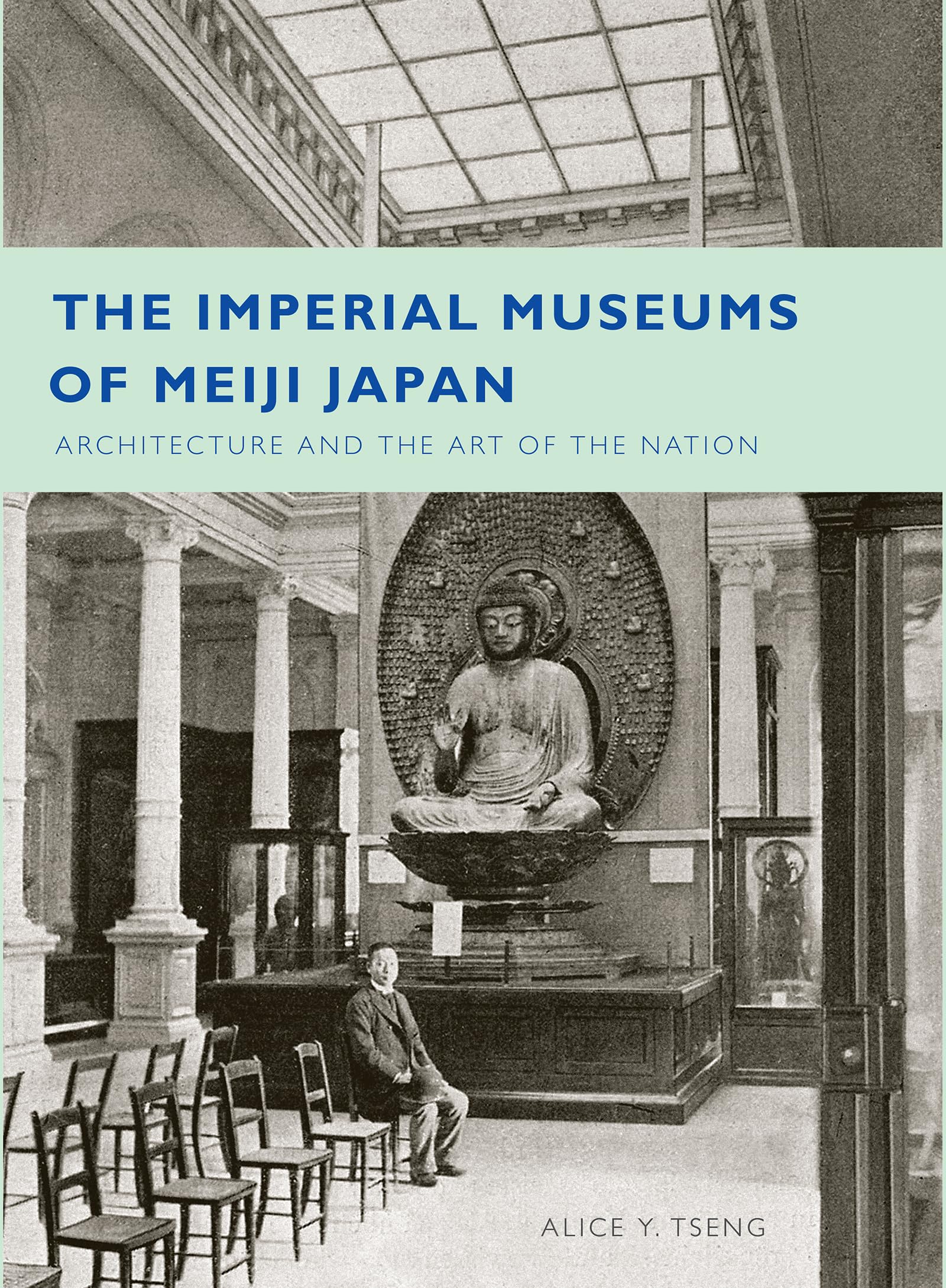
It was not until Japan's opening to the West during the Meiji period (18681912) that terms for art (bijutsu) and art museum (bijutsukan) were coined. The Imperial Museums of Meiji Japan documents Japan's unification of national art and cultural resources to forge a modern identity influenced by European museum and exhibition culture. Japan's Imperial Museums were conceived of as national selfrepresentations, and their creation epitomized the Meiji bureaucracy's mission to engage in the international standards and practices of the late nineteenth century. The architecture of the museums, by incorporating Western design elements and construction methods, effectively safeguarded and set off the nation's unique art historical lineage.Western paradigms and expertise, coupled with Japanese resolve and ingenuity, steered the course of the museums' development. Expeditions by highranking Japanese officials to Europe and the United States to explore the burgeoning world of art preservation and exhibition, and throughout Japan to inventory important cultural treasures, led to the establishment of the Imperial Museums in the successive imperial cities of Nara, Kyoto, and Tokyo.Over the course of nearly four decades, the English architect Josiah Conder, known as the father of modern Japanese architecture, and his student Katayama Tokuma, who became the preeminent state architect, designed four main museum buildings to house the national art collection. These buildings articulated the museums' unified mission to preserve and showcase a millenniumlong chronology of Japanese art, while reinforcing the distinctive historical and cultural character of their respective cities.This book is the first Englishlanguage study of the art, history, and architecture of Japan's Imperial Museums, the predecessors of today's national museums in Tokyo, Kyoto, and Nara. The Imperial Museums of Meiji Japan examines the museums' formative period and highlights crosscultural influences that enriched and complicated Japan's search for a modern yet historically grounded identity.
⚠️ WARNING (California Proposition 65):
This product may contain chemicals known to the State of California to cause cancer, birth defects, or other reproductive harm.
For more information, please visit www.P65Warnings.ca.gov.
- Q: What is the page count of the book? A: The book has three hundred four pages. This length provides a comprehensive exploration of the Imperial Museums of Meiji Japan.
- Q: What are the dimensions of this book? A: The book measures seven point two inches in length, one inch in width, and ten point two inches in height. These dimensions make it a substantial hardcover volume.
- Q: Who is the author of the book? A: The author is Alice Y. Tseng. She provides detailed insights into the architecture and cultural significance of Japan's Imperial Museums.
- Q: What type of binding does the book have? A: The book is bound in hardcover. This binding ensures durability and a quality feel, suitable for collectors and readers alike.
- Q: What is the genre of the book? A: The book falls under the category of art and architecture history. It specifically focuses on Japan's Imperial Museums during the Meiji period.
- Q: How do I read this book? A: You can read this book like any standard hardcover. It is suitable for casual reading or academic study on art history.
- Q: Is this book suitable for beginners in art history? A: Yes, the book is appropriate for beginners. It provides a clear narrative on the development of Japan's art museums, making it accessible.
- Q: What age group is this book suitable for? A: This book is suitable for adults and older teens interested in art and architecture. It covers complex themes related to cultural identity.
- Q: How should I store this book? A: Store the book upright on a shelf or in a bookcase. Ensure it is kept away from direct sunlight to prevent fading.
- Q: How do I keep this book in good condition? A: To maintain its condition, avoid exposing the book to moisture and handle it with clean hands. Regularly dust the cover.
- Q: What if the book arrives damaged? A: If the book arrives damaged, you can contact the seller for a return or exchange. Most sellers have a return policy for damaged items.
- Q: Can I return the book if I don't like it? A: Yes, you can typically return the book if it is within the return window set by the seller. Check their specific return policy for details.
- Q: Is there a warranty for this book? A: Books generally do not come with a warranty. However, if issues arise, refer to the seller's return policy for assistance.
- Q: What makes this book unique? A: This book is the first English-language study on Japan's Imperial Museums, highlighting their historical significance and architectural innovations.
- Q: Does this book have illustrations? A: Yes, the book includes illustrations and photographs that complement the text. These visuals enhance the understanding of the museums' architecture.
- Q: Is this book a good reference for academic research? A: Yes, it serves as a valuable reference for academic research in art history and architecture. The detailed analysis offers substantial insights.