
Title
The Indigenous Paradox: Rights, Sovereignty, And Culture In The Americas (Pennsylvania Studies In Human Rights),Used
Sold by Ergodebooks, an authorized reseller.
Returns accepted within 30 days | support@ergodebooks.com
Shipping Information
- Free Standard Shipping — United States only
- Processing Time: 3–5 business days
- Estimated Delivery: 6–10 business days after dispatch
- Double-boxed, fully insured & discreetly packaged
- Tracking number sent via email once dispatched
Returns & Refund
Returns accepted within 30 days of delivery.
Damaged or Defective Item
Free return shipping + replacement or full refund
Wrong Item Received
Free return shipping + replacement or full refund
Change of Mind
Return shipping at customer's expense · 25% restocking fee applies
Payment Option

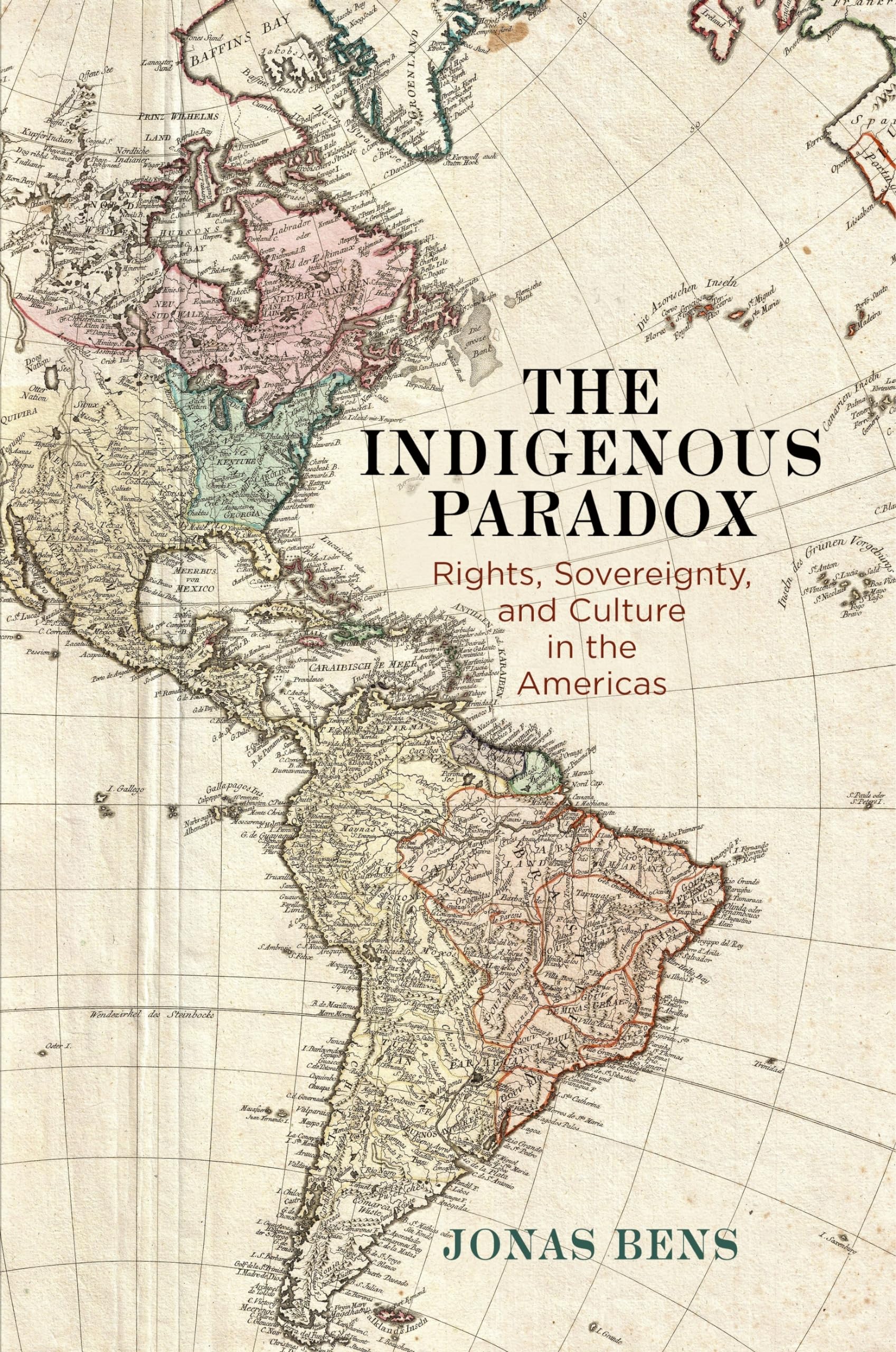
An investigation into how indigenous rights are conceived in legal language and doctrineIn the twentyfirst century, it is politically and legally commonplace that indigenous communities go to court to assert their rights against the postcolonial nationstate in which they reside. But upon closer examination, this constellation is far from straightforward. Indigenous communities make their claims as independent entities, governed by their own laws. And yet, they bring a case before the court of another sovereign, subjecting themselves to its foreign rule of law.According to Jonas Bens, when native communities enter into legal relationships with postcolonial nationstates, they 'become indigenous.' Indigenous communities define themselves as separated from the settler nationstate and insist that their rights originate from within their own system of laws. At the same time, indigenous communities must argue that they are incorporated in the settler nationstate to be able to use its judiciary to enforce these rights. As such, they are simultaneously included into and excluded from the state.Tracing how the indigenous paradox is inscribed into the law by investigating several indigenous rights cases in the Americas, from the early nineteenth century to the early twentyfirst, Bens illustrates how indigenous communities have managedand continue to manageto navigate this paradox by developing lines of legal reasoning that mobilize the concepts of sovereignty and culture. Bens argues that understanding indigeneity as a paradoxical formation sheds light on pressing questions concerning the role of legal pluralism and shared sovereignty in contemporary multicultural societies.
⚠️ WARNING (California Proposition 65):
This product may contain chemicals known to the State of California to cause cancer, birth defects, or other reproductive harm.
For more information, please visit www.P65Warnings.ca.gov.