
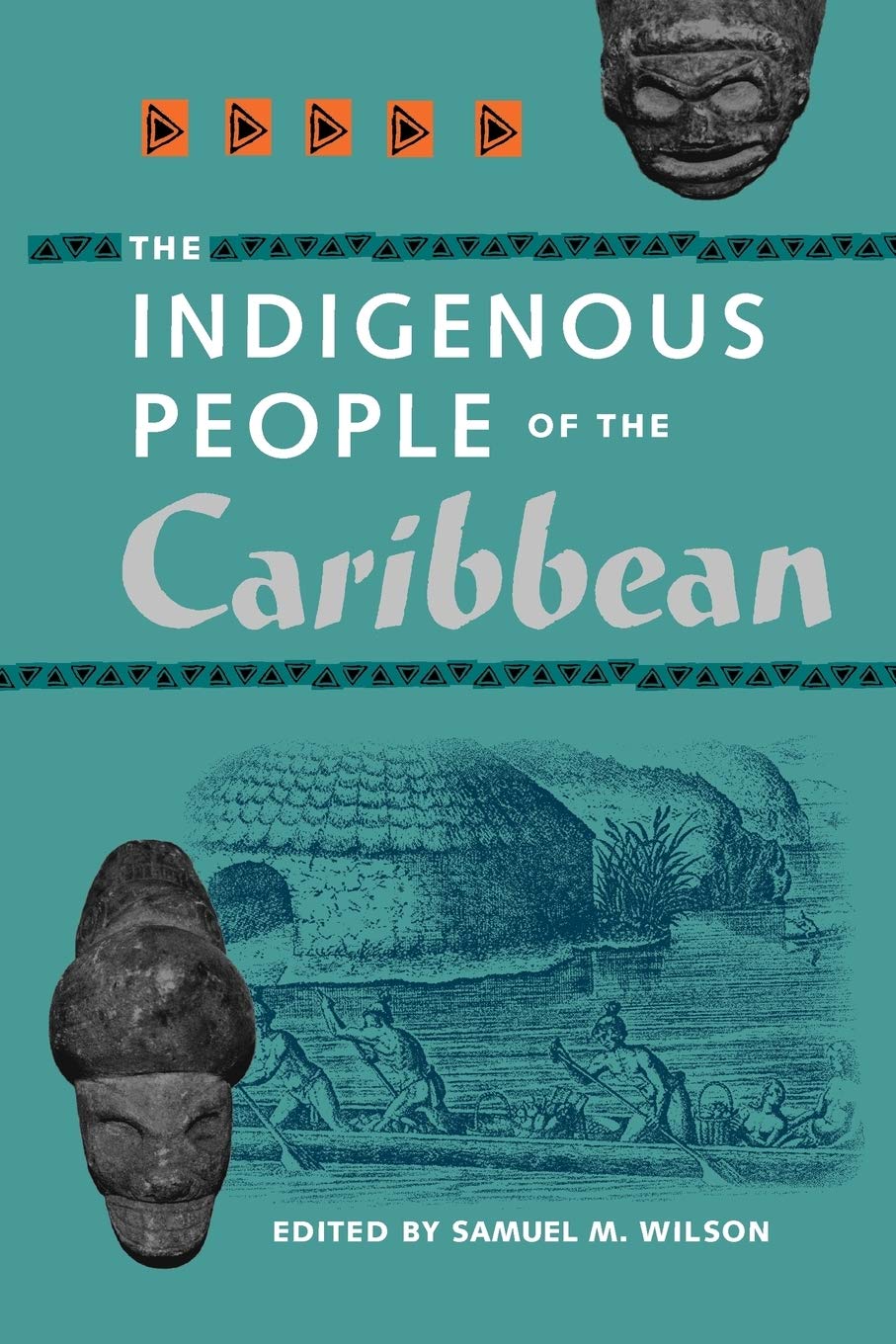
Title
The Indigenous People Of The Caribbean (Florida Museum Of Natural History: Ripley P. Bullen Series),New
Sold by Ergodebooks, an authorized reseller.
Returns accepted within 30 days | support@ergodebooks.com
Shipping Information
- Free Standard Shipping — United States only
- Processing Time: 3–5 business days
- Estimated Delivery: 6–10 business days after dispatch
- Double-boxed, fully insured & discreetly packaged
- Tracking number sent via email once dispatched
Returns & Refund
Returns accepted within 30 days of delivery.
Damaged or Defective Item
Free return shipping + replacement or full refund
Wrong Item Received
Free return shipping + replacement or full refund
Change of Mind
Return shipping at customer's expense · 25% restocking fee applies
Payment Option

A Survey Of The Current State Of Study Of Indigenous Caribbean People By Archaeologists, Historians, And Anthropologists. . . . Emphasizes That Even Though Indigenous People Were The Victims Of Genocide, They Helped To Establish A Persistent Pattern Of Relations Between Other Caribbean Settlers And Their Environment, And Became Central Symbols Of Caribbean Identity And Resistance To Colonialism. . . . Strongly Recommended For Every Library Concerned With Caribbean And Native American Studies.'Choice'An Excellent Introduction To Native Peoples Of The Caribbean Region. . . . Will Be Useful To Anthropologists, Historians, And Other Social Scientists Working In The Caribbean.'Jerald T. Milanich, Florida Museum Of Natural Historythis Volume Brings Together Nineteen Caribbean Specialists To Produce The First General Introduction To The Indigenous Peoples Of That Region. Writing For Both General And Academic Audiences, Contributors Provide An Authoritative, Uptodate Picture Of These Fascinating Peoplestheir Social Organization, Religion, Language, Lifeways, And Contribution To The Culture Of Their Modern Descendantsin What Is Ultimately A Comprehensive Reader On Caribbean Archaeology, Ethnohistory, And Ethnology.Contents1. Introduction, Samuel M. Wilsonpart 1: Background To The Archaeology And Ethnohistory Of The Caribbean2. The Study Of Aboriginal Peoples: Multiple Ways Of Knowing, Ricardo Alegra3. The Lesser Antilles Before Columbus, Louis Allairepart 2: The Encounter4. The Biological Impacts Of 1492, Richard L. Cunningham5. The Salt River Site, St. Croix, At The Time Of The Encounter, Birgit Faber Morse6. European Views Of The Aboriginal Population, Alissandra Cumminspart 3: The First Migration Of Village Farmers, 500 B.C. To A.D. 8007. Settlement Strategies In The Early Ceramic Age, Jay B. Haviser8. The Ceramics, Art, And Material Culture Of The Early Ceramic Period In The Caribbean Islands, Elizabeth Righter9. Religious Beliefs Of The Saladoid People, Miguel Rodrguez10. Maritime Trade In The Prehistoric Eastern Caribbean, David R. Watters11. Notes On Ancient Caribbean Art And Mythology, Henry Petitjean Rogetpart 4: The Taino Of The Greater Antilles On The Eve Of Conquest12. 'No Man (Or Woman) Is An Island': Elements Of Taino Social Organization, William F. Keegan13. Taino, Island Carib, And Prehistoric Amerindian Economies In The West Indies: Tropical Forest Adaptations To Island Environments, James B. Petersen14. The Material Culture Of The Taino Indians, Ignacio Olazagasti15. The Taino Cosmos, Jos R. Oliver16. Some Observations On The Taino Language, Arnold R. Highfield17. The Taino Vision: A Study In The Exchange Of Misunderstanding, Henry Petitjean Rogetpart 5: The Island Caribs Of The Lesser Antilles18. The Caribs Of The Lesser Antilles, Louis Allaire19. Language And Gender Among The Kalinago Of 15Th Century St. Croix, Vincent O. Cooperpart 6: Indigenous Resistance And Survival20. The Garifuna Of Central America, Nancie L. Gonzalez21. The Legacy Of The Indigenous People Of The Caribbean, Samuel M. Wilson22. Five Hundred Years Of Indigenous Resistance, Garnette Josephsamuel M. Wilson Is Associate Professor Of Anthropology At The University Of Texas, Austin. He Is Author Of Hispaniola: Caribbean Chiefdoms In The Age Of Columbus (1990), Coeditor Of Ethnohistory And Archaeology: Approaches To Postcontact Change In The Americas (1993), And A Contributing Editor And Columnist For Natural History Magazine.
⚠️ WARNING (California Proposition 65):
This product may contain chemicals known to the State of California to cause cancer, birth defects, or other reproductive harm.
For more information, please visit www.P65Warnings.ca.gov.
- Q: What is the page count of the book? A: This book has two hundred fifty-three pages. It provides a comprehensive overview of the indigenous peoples of the Caribbean.
- Q: What are the dimensions of the book? A: The book measures six inches in length, one inch in width, and nine point twenty-five inches in height. These dimensions make it a standard paperback size.
- Q: What is the binding type of this book? A: The book is paperback bound. This makes it lightweight and more flexible compared to hardcover books.
- Q: How should I read this book? A: You can read this book at your own pace. It is suitable for both general readers and academic audiences interested in Caribbean studies.
- Q: Is this book suitable for beginners? A: Yes, this book is suitable for beginners. It serves as an introduction to the indigenous peoples of the Caribbean.
- Q: What is the reading level of this book? A: The book is appropriate for adult readers and upper-level students. It presents complex ideas in an accessible manner.
- Q: How should I store this book? A: Store the book in a cool, dry place. Avoid exposing it to direct sunlight to prevent fading of the cover and pages.
- Q: Can I clean the book if it gets dirty? A: Yes, you can gently wipe the cover with a dry cloth. Avoid using water or cleaning solutions that could damage the paper.
- Q: How can I keep this book in good condition? A: To keep the book in good condition, handle it with clean hands and store it upright on a shelf. Avoid bending the spine.
- Q: What if I receive a damaged book? A: If you receive a damaged book, contact the seller for a return or replacement. Most sellers have a return policy for such issues.
- Q: Is there a warranty on this book? A: No, books typically do not come with a warranty. However, you may have a return option if it arrives damaged.
- Q: Can I return the book if I don't like it? A: Yes, you can usually return the book if you're not satisfied. Check the seller's return policy for specifics.
- Q: How does this book compare to others on Caribbean studies? A: This book is unique as it combines contributions from multiple Caribbean specialists. It offers a comprehensive introduction unlike many others.
- Q: Is this book suitable for academic research? A: Yes, this book is suitable for academic research. It provides authoritative insights into the indigenous peoples of the Caribbean.
- Q: Who is the author of this book? A: The author of this book is Samuel M. Wilson. He is a recognized expert in Caribbean anthropology.