
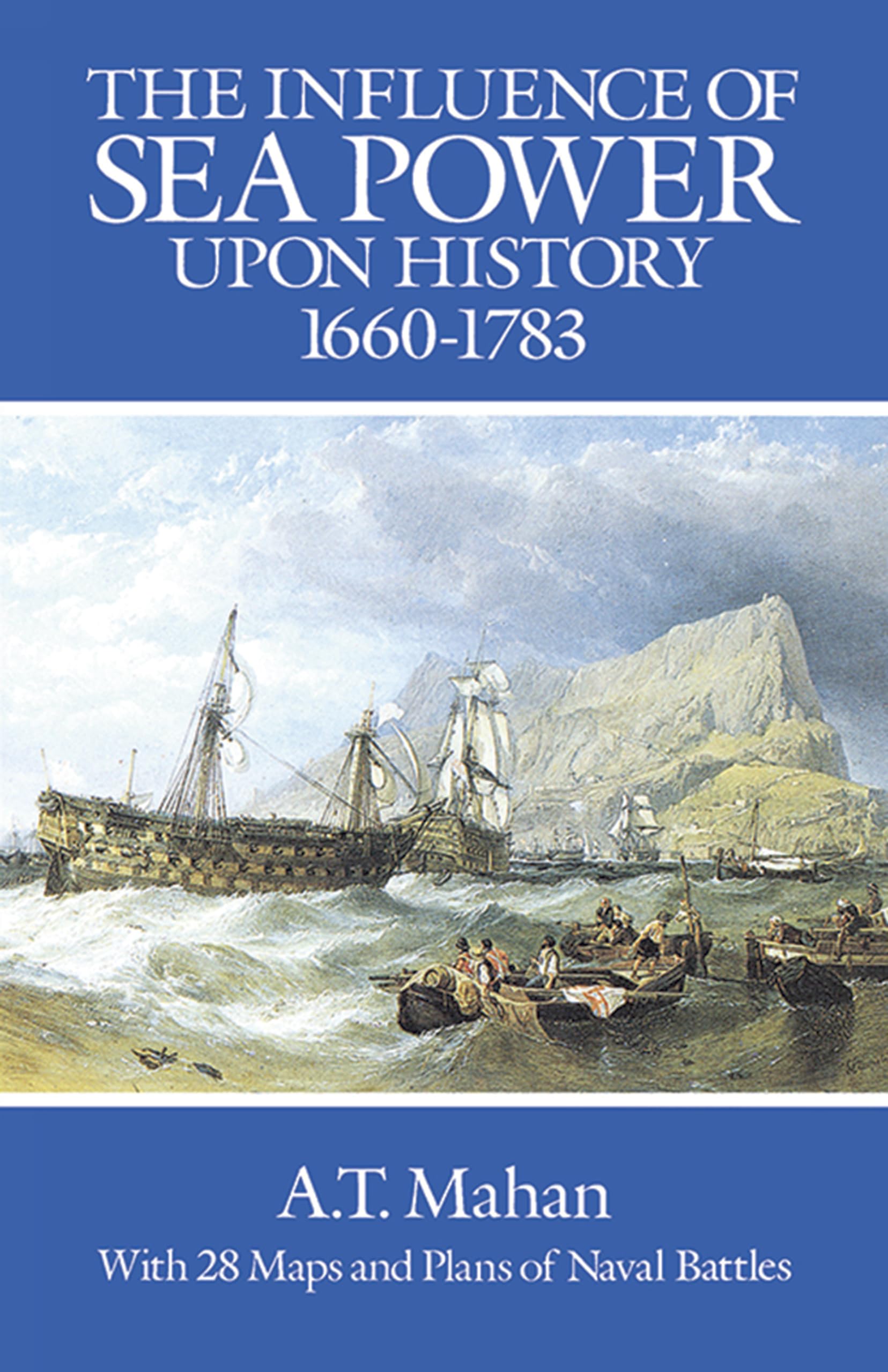
Title
The Influence of Sea Power Upon History, 16601783 (Dover Military History, Weapons, Armor),Used
Sold by Ergodebooks, an authorized reseller.
Returns accepted within 30 days | support@ergodebooks.com
Shipping Information
- Free Standard Shipping — United States only
- Processing Time: 3–5 business days
- Estimated Delivery: 6–10 business days after dispatch
- Double-boxed, fully insured & discreetly packaged
- Tracking number sent via email once dispatched
Returns & Refund
Returns accepted within 30 days of delivery.
Damaged or Defective Item
Free return shipping + replacement or full refund
Wrong Item Received
Free return shipping + replacement or full refund
Change of Mind
Return shipping at customer's expense · 25% restocking fee applies
Payment Option

First published almost a century ago, this classic text on the history and tactics of naval warfare had a profound effect on the imperial policies of all the major powers. Kaiser Wilhelm is said to have 'devoured' this book, and it was avidly read by presidents (including both Roosevelts), kings, prime ministers, admirals, and chancellors.This book was the work of noted U.S. naval officer and historian Alfred Mahan (18401914), who argued that despite great changes and scientific advances in naval weaponry, certain principle of naval strategy remain constant, and nations ignore them at their peril. Credited with stimulating the growth of modern navies in leading countries of the world, the text remains a basic authority on the strategy of naval warfare and is still used in the war colleges.Demonstrating through historical examples that the rise and fall of seapower (and of nations) has always been linked with commercial and military command of the seas, Mahan describes successful naval strategies employed in the past from Greek and Roman times through the Napoleonic wars. Focusing primarily on England's rise as a sea power in the 18th century, the book provides not only an overview of naval tactics, but a lucid exposition of geographical, economic, and social factors governing the maintenance of sea power.The work is carefully written and exceptionally welldocumented; moreover, the author's clear, wellthoughtout text avoids technical language, making it accessible to a nonprofessional audience. In addition, four maps and a profusion of plans of naval battles help the reader grasp the strategy and tactics involved in some of the history's greatest maritime conflicts. In this inexpensive edition, the book represents an indispensable sourcebook for statesmen, diplomats, strategists, and naval commanders as well as students of history and international affairs. Although ships, weapons, and the global balance of power have altered greatly since 1890, the lessons taught here so vividly and compellingly are still applicable today. Includes 4 maps, 24 battle plans.
⚠️ WARNING (California Proposition 65):
This product may contain chemicals known to the State of California to cause cancer, birth defects, or other reproductive harm.
For more information, please visit www.P65Warnings.ca.gov.
- Q: What is the main topic of 'The Influence of Sea Power Upon History, 1660-1783'? A: The book discusses the history and tactics of naval warfare, emphasizing how sea power has historically influenced the rise and fall of nations.
- Q: Who is the author of this book? A: The author is Alfred Thayer Mahan, a noted U.S. naval officer and historian.
- Q: When was this book first published? A: It was first published almost a century ago and has undergone several revisions, with this edition published on November 1, 1987.
- Q: What are some key features of this edition? A: This edition includes four maps and 24 battle plans that help illustrate naval strategies discussed in the text.
- Q: How many pages does the book have? A: The book contains a total of 656 pages.
- Q: What type of binding does this book have? A: The book is available in paperback binding.
- Q: Is this book suitable for non-professionals? A: Yes, Mahan's writing is clear and avoids overly technical language, making it accessible to a general audience.
- Q: What historical periods does the book cover? A: The book covers significant historical periods from Greek and Roman times through the Napoleonic wars, focusing on the 18th century.
- Q: What are the intended audiences for this book? A: It is aimed at statesmen, diplomats, strategists, naval commanders, as well as students of history and international affairs.
- Q: Does the book provide any contemporary relevance? A: Yes, the lessons on naval strategy and sea power remain applicable to modern military and geopolitical contexts.