
Title
The Information Design Handbook,Used
Sold by Ergodebooks, an authorized reseller.
Returns accepted within 30 days | support@ergodebooks.com
Shipping Information
- Free Standard Shipping — United States only
- Processing Time: 3–5 business days
- Estimated Delivery: 6–10 business days after dispatch
- Double-boxed, fully insured & discreetly packaged
- Tracking number sent via email once dispatched
Returns & Refund
Returns accepted within 30 days of delivery.
Damaged or Defective Item
Free return shipping + replacement or full refund
Wrong Item Received
Free return shipping + replacement or full refund
Change of Mind
Return shipping at customer's expense · 25% restocking fee applies
Payment Option

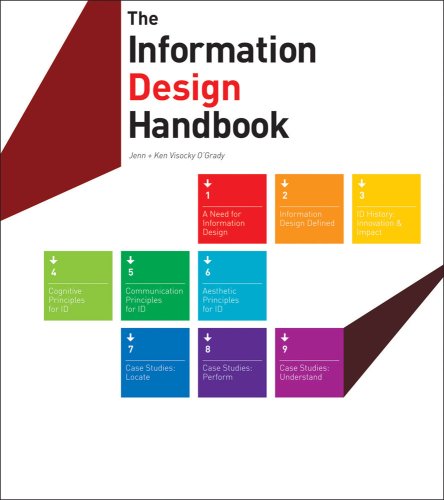
Explains the key considerations and requirements of infographics Features an inspirational gallery of designs that illustrate how to communicate at a glance, logically, effectively, and with maximum benefit Includes milestones from the history of information design that illustrate and explain breakthroughs and trendsThe best information design often goes 'unnoticed' by the viewer because it conveys information so quickly and effectively. The Information Design Handbook celebrates graphics that are exemplars of communication and esthetics, and reveals the thought processes and design skills behind them. This comprehensive guide to creating information graphics is packed with essential design principles, case studies, color palettes, troubleshooting tips, and much more. Designers will learn to achieve graphics that are visually striking yet concise and supremely funcitional with this musthave resource.
⚠️ WARNING (California Proposition 65):
This product may contain chemicals known to the State of California to cause cancer, birth defects, or other reproductive harm.
For more information, please visit www.P65Warnings.ca.gov.
- Q: How many pages does The Information Design Handbook have? A: This book has two hundred twenty-four pages. It provides a comprehensive guide to creating information graphics.
- Q: What are the dimensions of The Information Design Handbook? A: The dimensions are eight inches in length, zero point eight inches in width, and nine point zero two inches in height. This size makes it easy to handle and read.
- Q: What type of binding does this book have? A: The Information Design Handbook is paperback bound. This binding style is lightweight and flexible for easy reading.
- Q: Who is the author of The Information Design Handbook? A: The author is Jenn Visocky O'Grady. She is known for her expertise in information design and communication.
- Q: What is the main focus of The Information Design Handbook? A: This book focuses on the principles of creating effective infographics. It covers design considerations and showcases best practices.
- Q: Is The Information Design Handbook suitable for beginners? A: Yes, this book is suitable for beginners. It includes essential design principles and case studies that are easy to understand.
- Q: Can professionals benefit from The Information Design Handbook? A: Yes, professionals can benefit from this book. It offers advanced insights and troubleshooting tips for designing impactful graphics.
- Q: How can I effectively use the design principles from this book? A: You can apply the design principles by studying the case studies and practicing the techniques outlined in the book. This hands-on approach enhances learning.
- Q: What should I do if the book arrives damaged? A: If the book arrives damaged, you should contact the seller for a return or exchange. Most sellers have policies in place for such issues.
- Q: Is there a warranty for The Information Design Handbook? A: No, there is typically no warranty for books. It is advisable to check the return policy when purchasing.
- Q: How should I store The Information Design Handbook? A: You should store this book in a cool, dry place to prevent damage. Keeping it on a bookshelf upright can help maintain its condition.
- Q: Can I clean The Information Design Handbook? A: Yes, you can clean the book gently. Use a soft, dry cloth to remove dust without damaging the pages.
- Q: What if I need help understanding the content? A: If you need help, consider joining online forums or study groups focused on information design. Engaging with others can enhance your understanding.
- Q: Is The Information Design Handbook appropriate for children? A: No, this book is not specifically designed for children. It is more suitable for adults and students interested in design principles.
- Q: How can I apply the techniques from this book in my work? A: You can apply the techniques by incorporating the design principles into your projects. Experimenting with infographics will improve your skills.