
Title
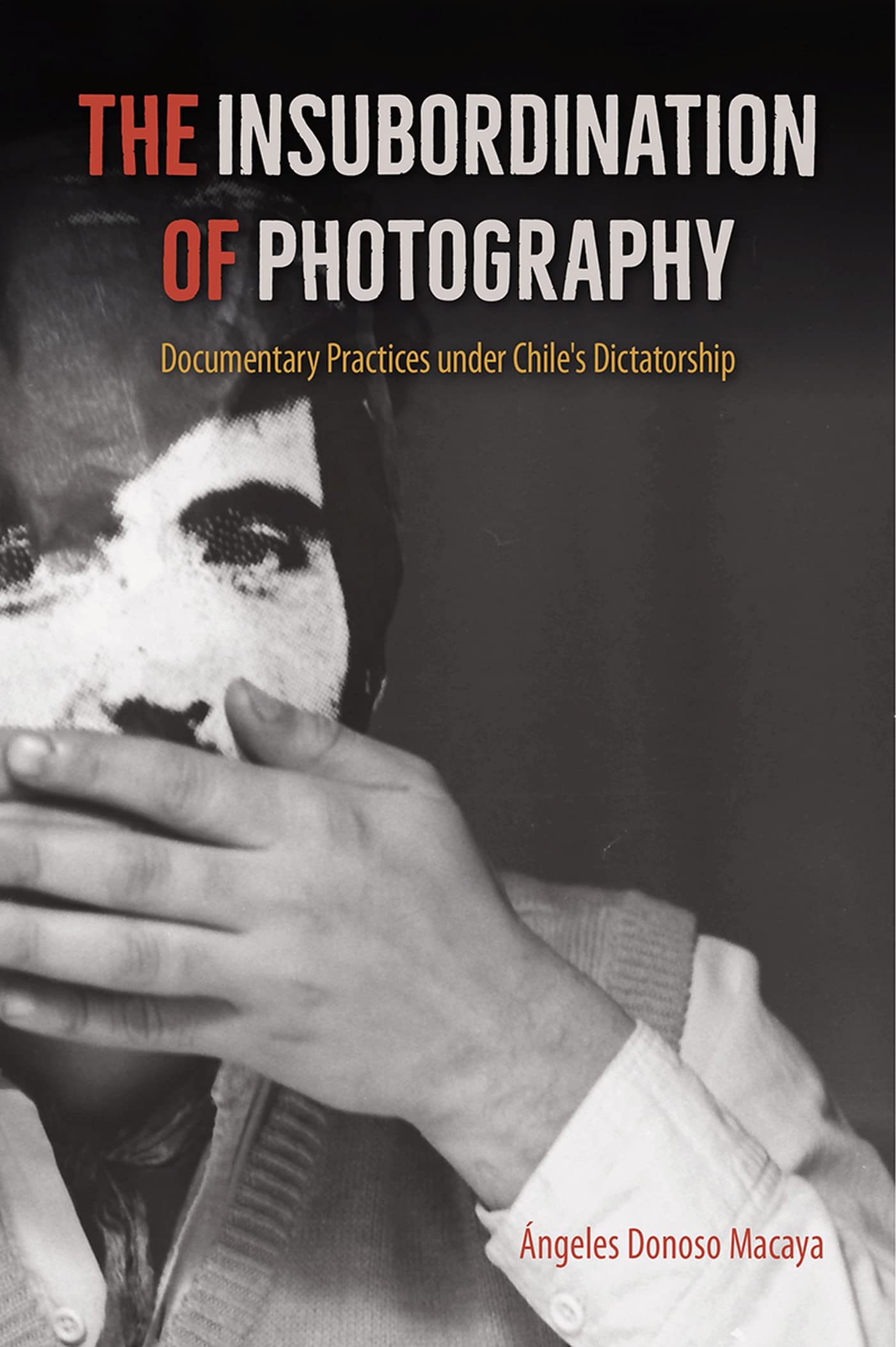
The Insubordination of Photography: Documentary Practices under Chile's Dictatorship (Reframing Media, Technology, and Culture i,Used
Sold by Ergodebooks, an authorized reseller.
Returns accepted within 30 days | support@ergodebooks.com
Shipping Information
- Free Standard Shipping — United States only
- Processing Time: 3–5 business days
- Estimated Delivery: 6–10 business days after dispatch
- Double-boxed, fully insured & discreetly packaged
- Tracking number sent via email once dispatched
Returns & Refund
Returns accepted within 30 days of delivery.
Damaged or Defective Item
Free return shipping + replacement or full refund
Wrong Item Received
Free return shipping + replacement or full refund
Change of Mind
Return shipping at customer's expense · 25% restocking fee applies
Payment Option

Latin American Studies Association Visual Culture Section Best Book PrizeLatin American Studies Association Historia Reciente y Memoria Section Best Book PrizeHonorable Mention, Conference on Latin American History Susan M. Socolow and Lyman L. Johnson PrizeThe role of documentary photography in exposing and protesting the crimes of a dictatorshipAfter Augusto Pinochet rose to power in Chile in 1973, his government abducted, abused, and executed thousands of his political opponents. The Insubordination of Photography is the first book to analyze how various collectives, organizations, and independent media used photography to expose and protest the crimes of Pinochets authoritarian regime.ngeles Donoso Macaya discusses the ways human rights groups such as the Vicariate of Solidarity used portraits of missing persons in order to make forced disappearances visible. She also calls attention to forensic photographs that served as incriminating evidence of government killings in the landmark Lonqun case. Donoso Macaya argues that the field of documentary photography in Chile was challenged and shaped by the precariousness of the nations politics and economics and shows how photojournalists found creative ways to challenge limitations imposed on the freedom of the press.In a culture saturated by disinformation and coverups and restricted by repression and censorship, photography became an essential tool to bring the truth to light. Featuring neverbeforeseen photographs and other archival material, this book reflects on the integral role of images in public memory and issues of reparation and justice.A volume in the series Reframing Media, Technology, and Culture in Latin/o America, edited by Hctor Fernndez LHoeste and Juan Carlos Rodrguez
⚠️ WARNING (California Proposition 65):
This product may contain chemicals known to the State of California to cause cancer, birth defects, or other reproductive harm.
For more information, please visit www.P65Warnings.ca.gov.