
Title
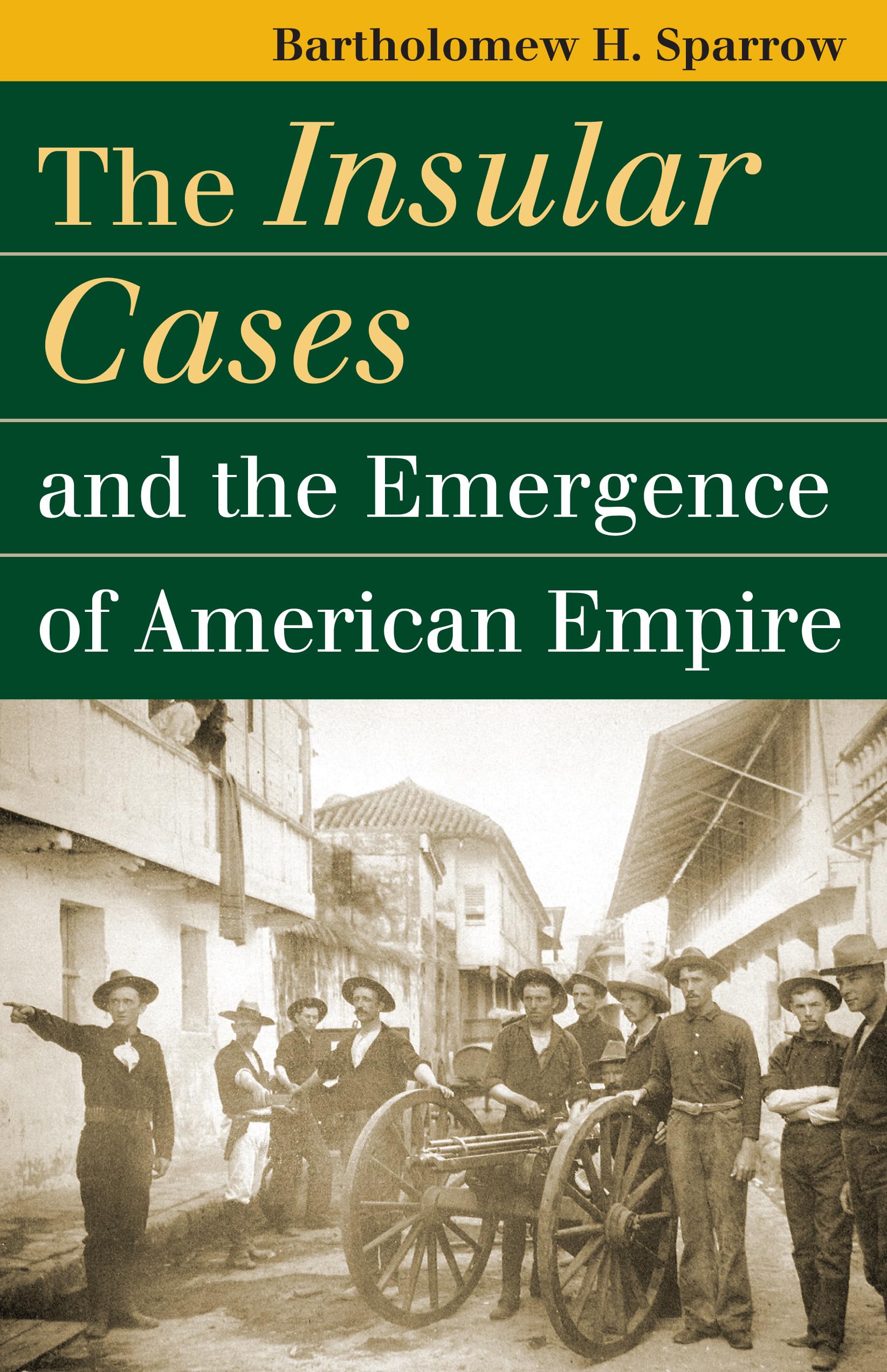
The Insular Cases And The Emergence Of American Empire (Landmark Law Cases And American Society),Used
Sold by Ergodebooks, an authorized reseller.
Returns accepted within 30 days | support@ergodebooks.com
Shipping Information
- Free Standard Shipping — United States only
- Processing Time: 3–5 business days
- Estimated Delivery: 6–10 business days after dispatch
- Double-boxed, fully insured & discreetly packaged
- Tracking number sent via email once dispatched
Returns & Refund
Returns accepted within 30 days of delivery.
Damaged or Defective Item
Free return shipping + replacement or full refund
Wrong Item Received
Free return shipping + replacement or full refund
Change of Mind
Return shipping at customer's expense · 25% restocking fee applies
Payment Option

When The United States Took Control Of Cuba, Puerto Rico, The Philippines, And Guam Following The Spanishamerican War, It Was Unclear To What Degree These Islands Were Actually Part Of The U.S. And, In Particular, Whether The Constitution Applied Fully, Or Even In Part, To Their Citizens. By Looking Closely At What Became Known As The Insular Cases, Bartholomew Sparrow Reveals How America Resolved To Govern These Territories.Sparrow Follows The Insular Cases From The Controversial Downes V. Bidwell In 1901, Which Concerned Tariffs On Oranges Shipped To New York From Puerto Rico And Which Introduced The Distinction Between Incorporated And Unincorporated Territories, To Balzac V. Puerto Rico In 1922, In Which The Court Decided That Puerto Ricans, Although Officially U.S. Citizens, Could Be Denied Trial By Jury Because Puerto Rico Was 'Unincorporated.' There Were 35 Insular Cases In All, Cases Stretching Across Two Decades, Cases In Which The Court Ruled On Matters As Diverse As Tariffs, Double Jeopardy, And The Very Meaning Of U.S. Citizenship As It Applied To The Inhabitants Of The Offshore Territories. Through Such Decisions, As Sparrow Shows, The Court Treated The Constitutional Status Of Territorial Inhabitants With Great Variability And Decided That The Persons Of Some Territories Were Less Equal Than Those Of Other Territories.Sparrow Traces The Fitful Evolution Of The Court'S Incorporation Doctrine In The Determination Of Which Constitutional Provisions Applied To The New Territories And Its Citizens. Providing A New Look At The History And Politics Of U.S. Expansion At The Turn Of The Twentieth Century, Sparrow'S Book Also Examines The Effect The Court'S Decisions Had On The Creation Of An American Empire. It Highlights Crucial Features Surrounding The Casesthe Influence Of Racism On The Justices, The Need For Naval Stations To Protect New International Trade, And Dramatic Changes In Tariff Policy. It Also Tells How The Court Sanctioned The Emergence Of Two Kinds Of American Empire: Formal Territories Whose Inhabitants Could Be U.S. Citizens But Still Be Denied Full Political Rights, And An Informal Empire Based On Trade, Cooperative Foreign Governments, And U.S. Military Bases Rather Than On Territorial Acquisitions.The Insular Cases And The Emergence Of American Empire Reveals How The United States Handled Its First Major Episode Of Globalization And How The Supreme Court In These Cases, Crucially Redirected The Course Of American History.
⚠️ WARNING (California Proposition 65):
This product may contain chemicals known to the State of California to cause cancer, birth defects, or other reproductive harm.
For more information, please visit www.P65Warnings.ca.gov.