
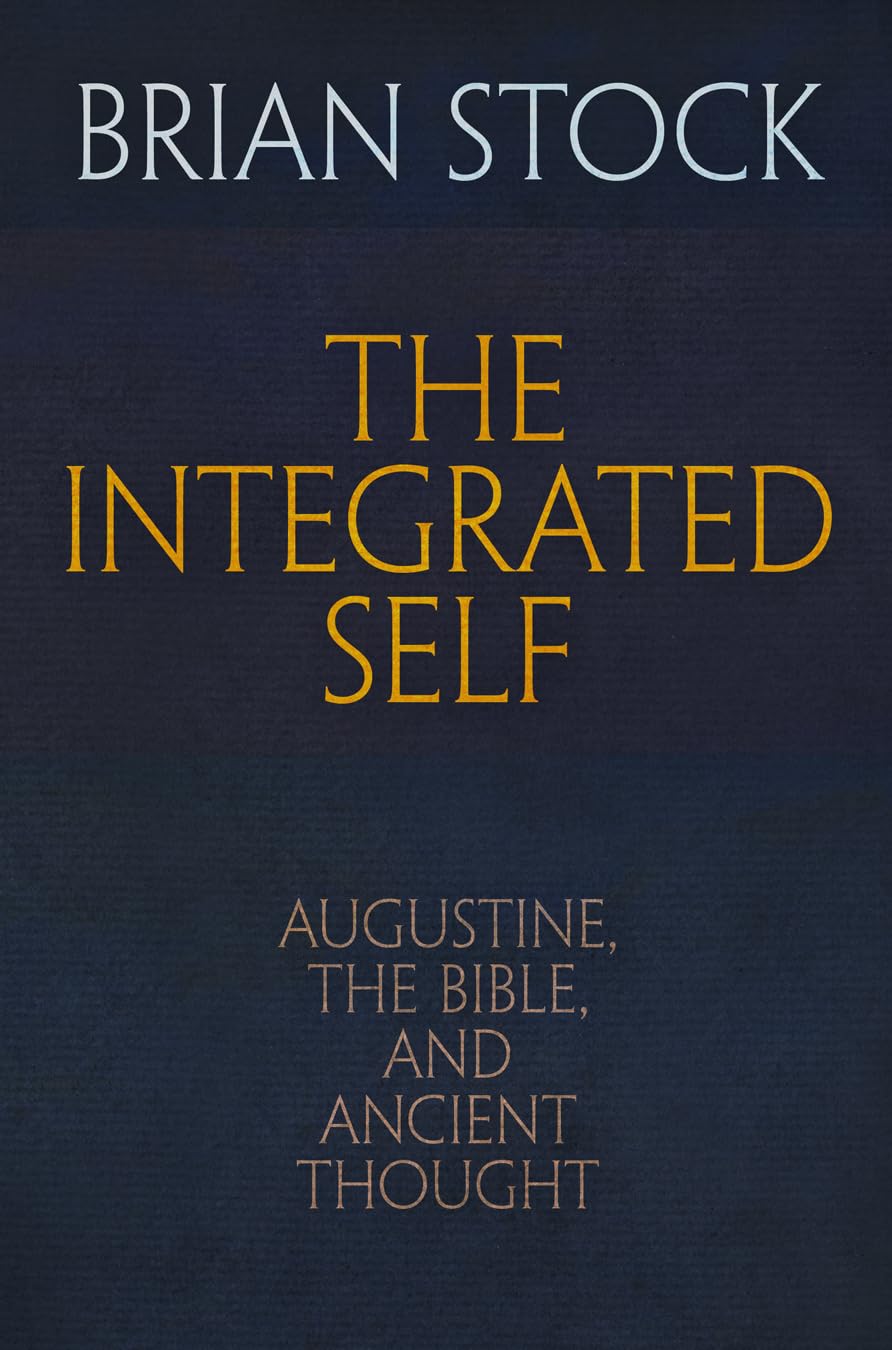
Title
The Integrated Self: Augustine, The Bible, And Ancient Thought (Haney Foundation Series)
Sold by Ergodebooks, an authorized reseller.
Returns accepted within 30 days | support@ergodebooks.com
Shipping Information
- Free Standard Shipping — United States only
- Processing Time: 3–5 business days
- Estimated Delivery: 6–10 business days after dispatch
- Double-boxed, fully insured & discreetly packaged
- Tracking number sent via email once dispatched
Returns & Refund
Returns accepted within 30 days of delivery.
Damaged or Defective Item
Free return shipping + replacement or full refund
Wrong Item Received
Free return shipping + replacement or full refund
Change of Mind
Return shipping at customer's expense · 25% restocking fee applies
Payment Option

Well Before His Entry Into The Religious Life In The Spring Of 386 C.E., Augustine Had Embarked On A Lengthy Comparison Between Teachings On The Self In The Philosophical Traditions Of Platonism And Neoplatonism And The Treatment Of The Topic In The Psalms, The Letters Of St. Paul, And Other Books Of The Bible. Brian Stock Argues That Augustine, Over The Course Of These Reflections, Gradually Abandoned A Dualistic View Of The Self, In Which The Mind And The Body Play Different Roles, And Developed The Notion Of An Integrated Self, In Which The Mind And Body Function Interdependently.Stock Identifies Two Intellectual Techniques Through Which Augustine Effected This Change In His Thought. One, Lectio Divina, Was An Early Christian Approach To Reading That Engaged Both Mind And Body. The Other Was A Method Of Selfexamination That Consisted Of Framing An Interior Socratic Dialogue Between Reason And The Individual Self. Stock Investigates Practices Of Writing, Reading, And Thinking Across A Range Of Premodern Texts To Demonstrate How Augustine Builds Upon The Rhetorical Traditions Of Cicero And The Inner Dialogue Of Plutarch To Create An Introspective And Autobiographical Version Of Selfstudy That Had Little To No Precedent.The Integrated Self Situates These Texts In A Broad Historical Framework While Being Carefully Attuned To What They Can Tell Us About The Intersections Of Mind, Body, And Medicine In Contemporary Thought And Practice. It Is A Book In Which Stock Continues His Project Of Reading Augustine, And One In Which He Moves Forward In New And Perhaps Unexpected Directions.
⚠️ WARNING (California Proposition 65):
This product may contain chemicals known to the State of California to cause cancer, birth defects, or other reproductive harm.
For more information, please visit www.P65Warnings.ca.gov.
- Q: How many pages are in 'The Integrated Self'? A: This book contains two hundred eighty pages. It offers a comprehensive exploration of Augustine's philosophical reflections.
- Q: What is the binding type of this book? A: The binding type is hardcover. This provides durability and a more premium feel for readers.
- Q: What are the dimensions of 'The Integrated Self'? A: The dimensions are six point two six inches in length, one inch in width, and nine point two five inches in height. These measurements make it a convenient size for reading.
- Q: Who is the author of 'The Integrated Self'? A: The author is Brian Stock. He examines Augustine's thoughts on the self through various philosophical traditions.
- Q: What is the main topic of the book? A: The main topic is the exploration of Augustine's view on the integrated self. It contrasts philosophical teachings with biblical insights.
- Q: What is the intended audience for this book? A: The intended audience includes scholars and general readers interested in philosophy and theology. It appeals to those exploring the intersections of mind, body, and medicine.
- Q: How can I apply the ideas from 'The Integrated Self'? A: You can apply the ideas by engaging in self-reflection and examining your own understanding of the self. The book encourages introspection and dialogue.
- Q: Is this book suitable for casual readers? A: Yes, it is suitable for casual readers with an interest in philosophy. The writing is accessible while still being intellectually engaging.
- Q: What philosophical traditions does Augustine compare in this book? A: Augustine compares Platonism and Neoplatonism to biblical teachings. This comparison highlights different perspectives on the self.
- Q: What techniques does Augustine use for self-examination? A: Augustine uses lectio divina and Socratic dialogue for self-examination. These techniques engage both mind and body in understanding the self.
- Q: How should I care for this hardcover book? A: To care for this hardcover book, keep it in a cool, dry place and avoid exposure to direct sunlight. This will help preserve its condition.
- Q: Can this book be a gift for someone interested in philosophy? A: Yes, this book makes a great gift for anyone interested in philosophy. Its insights into Augustine's thoughts are both profound and accessible.
- Q: What if I receive a damaged copy of the book? A: If you receive a damaged copy, you should contact the seller for a return or replacement. Most sellers have a policy for handling such issues.
- Q: Is there a warranty or guarantee for this book? A: There is typically no warranty for books, but many retailers offer satisfaction guarantees. Check with the specific seller for their policy.
- Q: What should I do if I have questions about the content? A: If you have questions about the content, consider discussing it with others or looking for academic reviews. Engaging in discussions can enhance understanding.