
Title
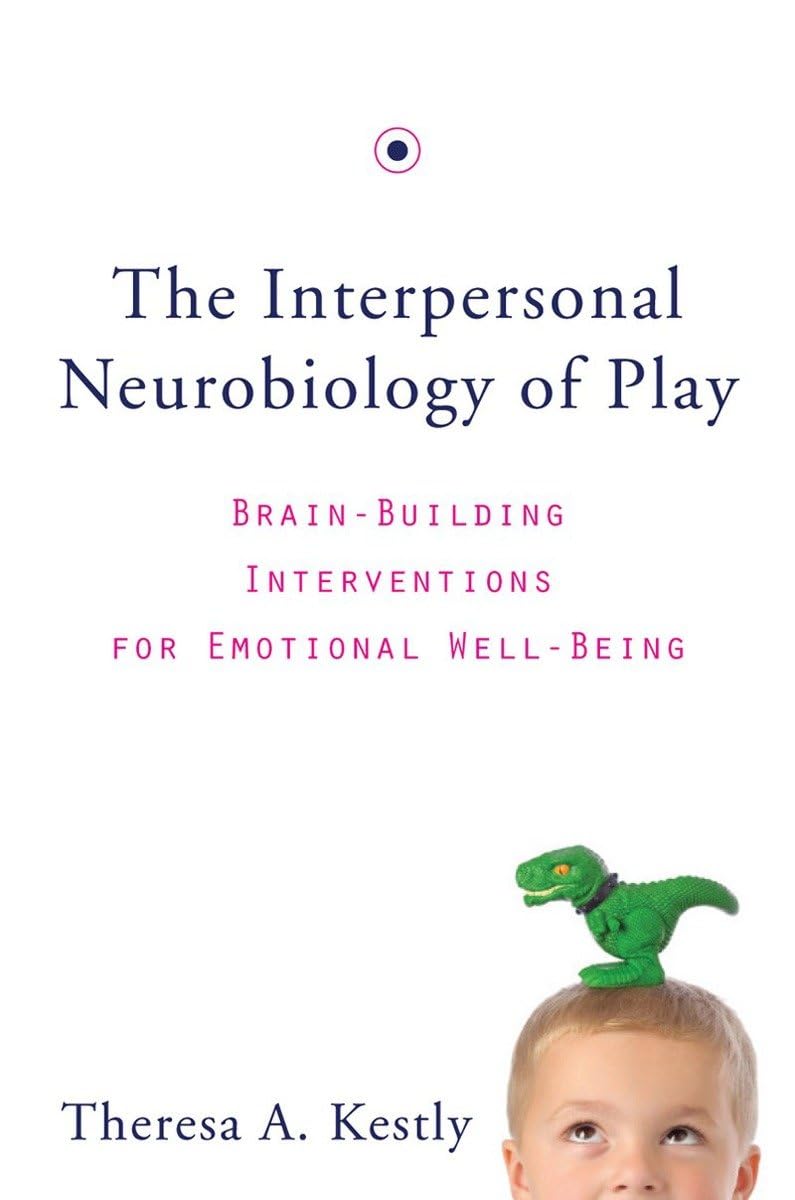
The Interpersonal Neurobiology of Play: BrainBuilding Interventions for Emotional WellBeing (Norton Series on Interpersonal Ne,Used
Sold by Ergodebooks, an authorized reseller.
Returns accepted within 30 days | support@ergodebooks.com
Shipping Information
- Free Standard Shipping — United States only
- Processing Time: 3–5 business days
- Estimated Delivery: 6–10 business days after dispatch
- Double-boxed, fully insured & discreetly packaged
- Tracking number sent via email once dispatched
Returns & Refund
Returns accepted within 30 days of delivery.
Damaged or Defective Item
Free return shipping + replacement or full refund
Wrong Item Received
Free return shipping + replacement or full refund
Change of Mind
Return shipping at customer's expense · 25% restocking fee applies
Payment Option

Nurturing brain development in children through play. The mental health field has seen a significant shift in the past decade toward including a neuroscience perspective when designing clinical interventions. However, for many play therapists it has been challenging to apply this information in the context of play therapy. Here, Theresa Kestly teaches therapists how to understand the neurobiology of play experiences so the undeniable benefits of play therapy can be exploited to their fullest.At last, clinical readers have a book that takes seriously the importance of play and brings a scientific eye to this most important aspect of life. Drawing on concepts of interpersonal neurobiology, the benefits of play interventions to achieve attunement, neural integration, healthy attachment, and the development of resilience and wellbeing become clear.The book is organized into three parts. The first part lays a conceptual foundation for considering play in relation to the neurobiology of the developing brain and mind. The next part explores specific topics about play including the therapeutic playroom, the collaborative relationship between therapist and clients, storytelling, and mindfulness. The last part of the book asks questions about the state of play in our families, clinics, and schools. How did we get to a place where play has been so devalued, and what can we do about it? Now that we know how important play is across the lifespan from a scientific standpoint, what can we do to fully integrate it into our lives? After reading this book, clinicians, teachers, and even parents will understand why play helps children (and adults) heal from painful experiences, while developing selfregulation and empathy. The clinical examples in the book show just how powerful the mind is in its natural push toward wholeness and integration.
⚠️ WARNING (California Proposition 65):
This product may contain chemicals known to the State of California to cause cancer, birth defects, or other reproductive harm.
For more information, please visit www.P65Warnings.ca.gov.