
Title
The Invention of Greek Ethnography: From Homer to Herodotus (Greeks Overseas),Used
Sold by Ergodebooks, an authorized reseller.
Returns accepted within 30 days | support@ergodebooks.com
Shipping Information
- Free Standard Shipping — United States only
- Processing Time: 3–5 business days
- Estimated Delivery: 6–10 business days after dispatch
- Double-boxed, fully insured & discreetly packaged
- Tracking number sent via email once dispatched
Returns & Refund
Returns accepted within 30 days of delivery.
Damaged or Defective Item
Free return shipping + replacement or full refund
Wrong Item Received
Free return shipping + replacement or full refund
Change of Mind
Return shipping at customer's expense · 25% restocking fee applies
Payment Option

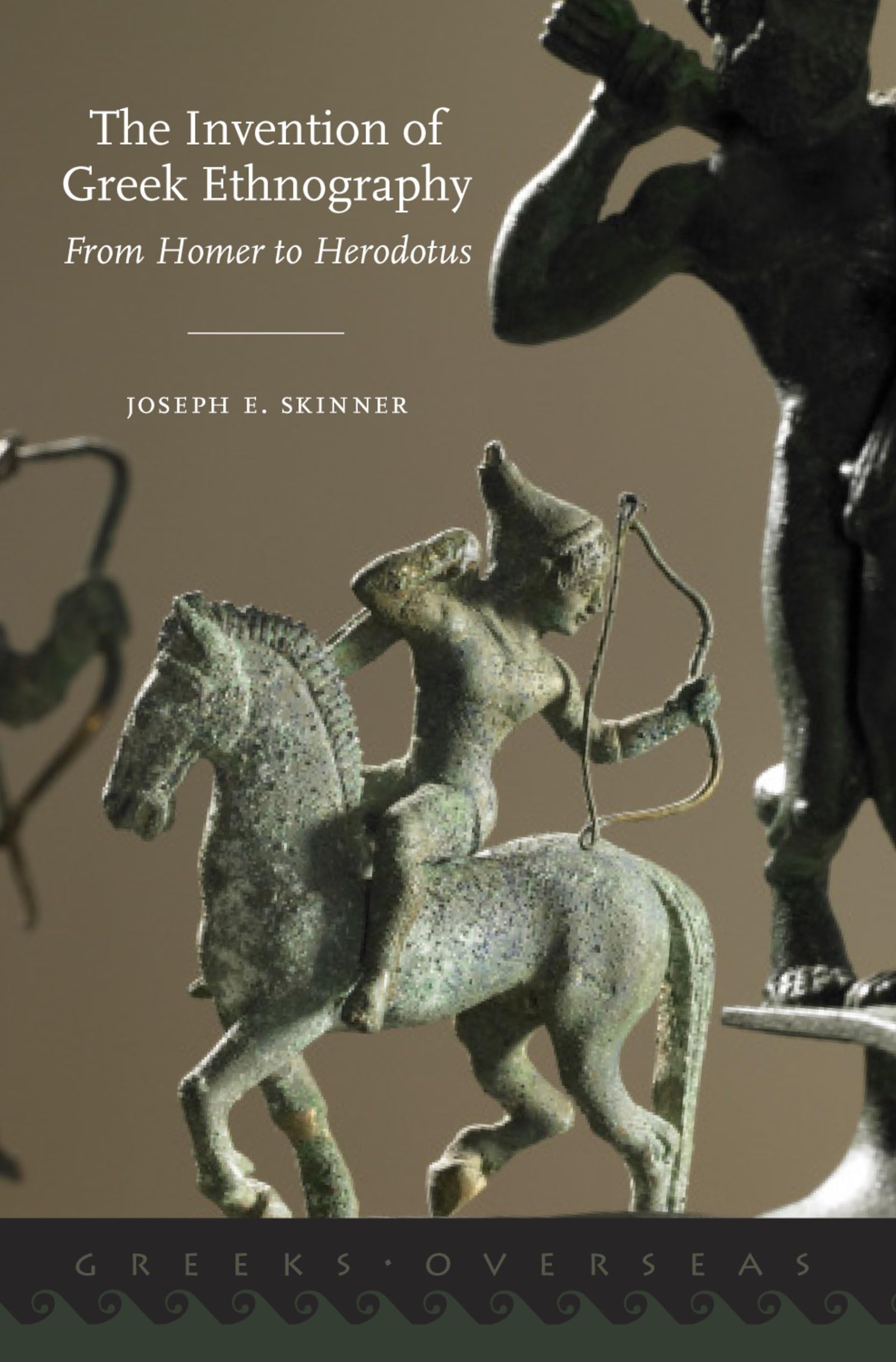
Greek knowledge of and interest in foreign peoples is commonly believed to have developed in conjunction with a wider sense of "Greekness" that emerged during the Hellenic encounter with Achaemenid Persia during the late sixth to early fifth centuries BC. The dramatic nature of this "clash of cultures" is widely thought to have laid the foundations for prose descriptions of foreign lands and peoples by causing previously vague imaginings to crystallize into a diametric opposition between "Hellene" and "barbarian."The Invention of Greek Ethnography challenges the legitimacy of this narrative. Drawing on recent advances in ethnographic and cultural studies and material culturebased analyses of the ancient Mediterranean, Joseph Skinner argues that ethnographic discourse was already widespread throughout the archaic Greek world long before the invention of ethnographic prose, incorporating not only texts but also a wide range of iconographic and archaeological materials. The reconstruction of this "ethnography before ethnography" demonstrates that discourses of identity played a vital role in defining what it meant to be Greek in the first place. The development of ethnographic writing and historiography is shown to be rooted in a wider process of "positioning" that was continually unfurling across time, as groups and individuals scattered across the Mediterranean world sought to locate themselves in relation to both the narratives of the past and other people. The Invention of Greek Ethnography provides a shift in critical perspective that will have significant implications for our understanding of how Greek identity came into being, the manner in which early discourses of difference should be conceptualized, and the way in which narrative history should ultimately be interpreted.
⚠️ WARNING (California Proposition 65):
This product may contain chemicals known to the State of California to cause cancer, birth defects, or other reproductive harm.
For more information, please visit www.P65Warnings.ca.gov.