
Title
The Invention of Playing Cards in China and their Arrival in Europe: Their Influence on the Development of Mahjong,New
Sold by Ergodebooks, an authorized reseller.
Returns accepted within 30 days | support@ergodebooks.com
Shipping Information
- Free Standard Shipping — United States only
- Processing Time: 3–5 business days
- Estimated Delivery: 6–10 business days after dispatch
- Double-boxed, fully insured & discreetly packaged
- Tracking number sent via email once dispatched
Returns & Refund
Returns accepted within 30 days of delivery.
Damaged or Defective Item
Free return shipping + replacement or full refund
Wrong Item Received
Free return shipping + replacement or full refund
Change of Mind
Return shipping at customer's expense · 25% restocking fee applies
Payment Option

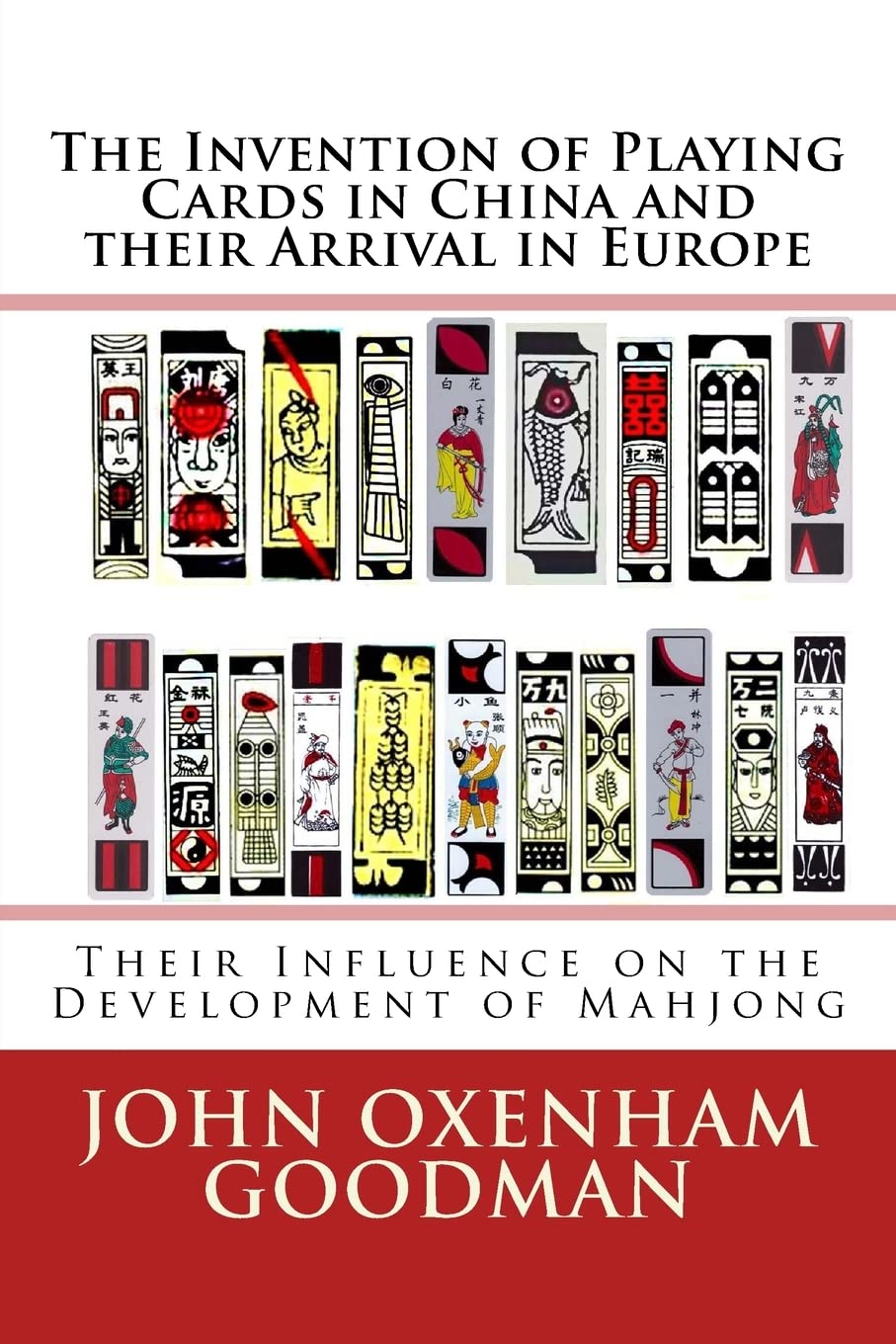
This book contains 37 coloured illustrations and takes us through the history of playing cards from their invention in China to their appearance in Europe in the 13th Century. It describes how the development of paper playing cards was made possible by the Chinese invention of paper in 105 AD and how wood block printing simplified the manufacture of cards. Then paper money was introduced in the 11th Century followed by the use of monetary denominations for the 4 suits of cards. There are colour illustrations of Ming Dynasty bank notes showing their similarity to early playing cards. Then we are taken to the 13th Century when Marco Polo and other Italian merchants travelled to China on the Silk Road and saw people playing card games. They took the new invention back to Europe but, because they could neither speak nor read Chinese well, they misinterpreted many of its features. Kings, queens, knights and pages appeared on European cards instead of the Chinese images of strings of coins and popular outlaws who rebelled against the government of the Northern Song Dynasty (9601127). The Chinese idea of money cards largely disappeared in Europe with the suit of coins in Tarot and Italian cards being the sole survivor. Meanwhile in China one of the 4 suits was abandoned and solid blocks in the form of Mahjong tiles appeared in 1864, but the paper cards from which they were derived continue in use today. Colour pictures of early Chinese cards and bank notes as well as early Mahjong tiles are accompanied by explanations which help the reader understand the history of playing cards. Links of 16th Century Ma Diao cards to the Tarot suits and to the 5 Chinese and ancient Greek elements are shown in charts and tables. The Chinese names of the Major Arcana are also listed with astrological connections.
⚠️ WARNING (California Proposition 65):
This product may contain chemicals known to the State of California to cause cancer, birth defects, or other reproductive harm.
For more information, please visit www.P65Warnings.ca.gov.
- Q: What is the main topic of 'The Invention of Playing Cards in China and their Arrival in Europe'? A: The book explores the history of playing cards, detailing their invention in China and their introduction to Europe, along with the cultural influences and changes that occurred during this transition.
- Q: How many illustrations are included in the book? A: The book contains 37 coloured illustrations that enhance the understanding of the history and evolution of playing cards.
- Q: Who is the author of this book? A: The book is authored by John Oxenham Goodman.
- Q: What is the publication date of this book? A: The book was published on October 13, 2016.
- Q: What is the format of the book? A: The book is available in paperback format.
- Q: What is the page count of the book? A: The book has a total of 54 pages.
- Q: Is the book suitable for beginners in card games? A: Yes, the book provides a historical overview that is accessible for anyone interested in card games, including beginners.
- Q: Does the book include any charts or tables? A: Yes, the book features charts and tables that link historical card games to the Tarot suits and other cultural elements.
- Q: What historical connections does the book discuss? A: The book discusses the connections between early playing cards, Chinese bank notes, and the development of Mahjong tiles, highlighting their cultural significance.
- Q: Is this book a good resource for understanding Mahjong? A: Yes, the book provides insights into the history of Mahjong and its evolution from paper playing cards, making it a valuable resource for those interested in the game.