
Title
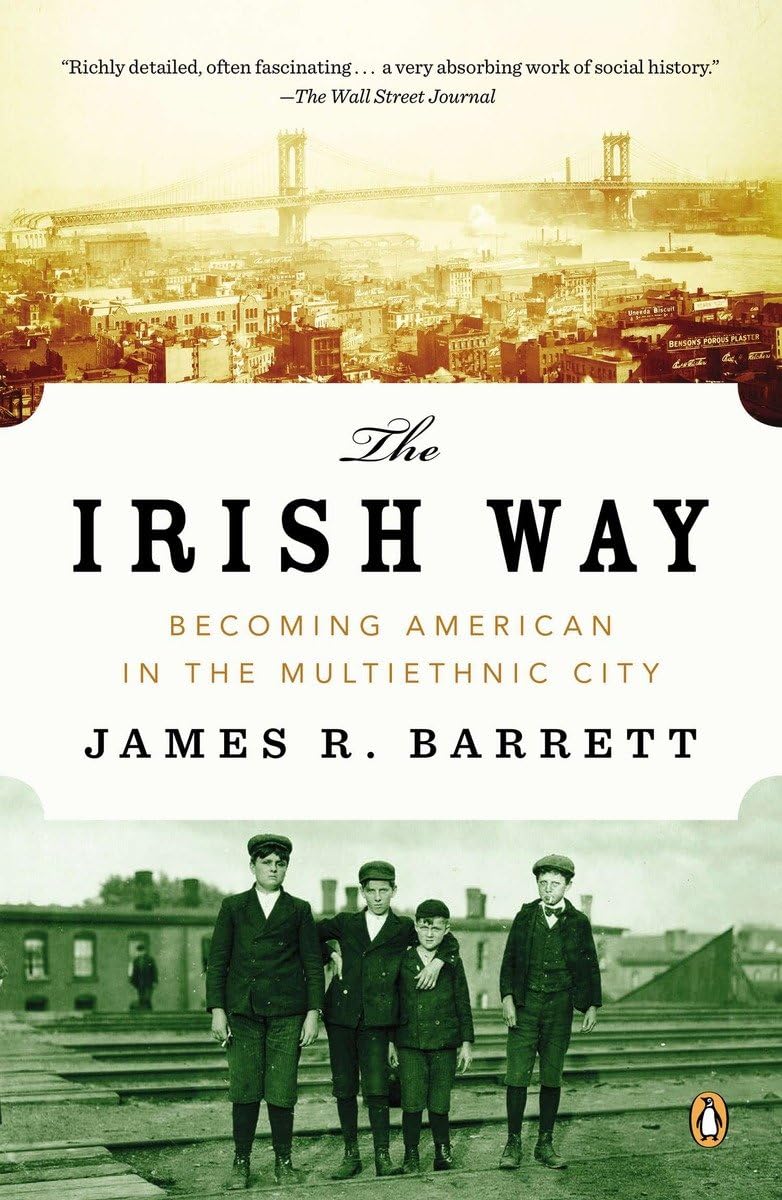
The Irish Way: Becoming American In The Multiethnic City (The Penguin History Of American Life)
Sold by Ergodebooks, an authorized reseller.
Returns accepted within 30 days | support@ergodebooks.com
Shipping Information
- Free Standard Shipping — United States only
- Processing Time: 3–5 business days
- Estimated Delivery: 6–10 business days after dispatch
- Double-boxed, fully insured & discreetly packaged
- Tracking number sent via email once dispatched
Returns & Refund
Returns accepted within 30 days of delivery.
Damaged or Defective Item
Free return shipping + replacement or full refund
Wrong Item Received
Free return shipping + replacement or full refund
Change of Mind
Return shipping at customer's expense · 25% restocking fee applies
Payment Option

In The Newest Volume In The Awardwinning Penguin History Of American Life Series, James R. Barrett Chronicles How A New Urban American Identity Was Forged In The Streets, Saloons, Churches, And Workplaces Of The American City. This Process Of Americanization From The Bottom Up Was Deeply Shaped, Barrett Argues, By The Irish. From Lower Manhattan To The South Side Of Chicago To Boston'S North End, Newer Waves Of Immigrants And African Americans Found It Nearly Impossible To Avoid The Irish. While Historians Have Emphasized The Role Of Settlement Houses And Other Mainstream Institutions In Americanizing Immigrants, Barrett Makes The Original Case That The Culture Absorbed By Newcomers Upon Reaching American Shores Had A Distinctly Hibernian Cast. By 1900, There Were More People Of Irish Descent In New York City Than In Dublin; More In The United States Than In All Of Ireland. But In The Late Nineteenth Century, The Sources Of Immigration Began To Shift, To Southern And Eastern Europe And Beyond. Whether These Newcomers Wanted To Save Their Souls, Get A Drink, Find A Job, Or Just Take A Stroll In The Neighborhood, They Had To Deal With Irish Americans. Barrett Reveals How The Irish Vacillated Between A Progressive And Idealistic Impulse Toward Their Fellow Immigrants And A Parochial Defensiveness Stemming From The Hostility Earlier Generations Had Faced Upon Their Own Arrival In America. They Imparted Racist Attitudes Toward African Americans; They Established Ethnic Deadlines Across City Neighborhoods; They Drove Other Immigrants From Docks, Factories, And Labor Unions. Yet The Social Teachings Of The Catholic Church, A Sense Of Solidarity With The Oppressed, And Dark Memories Of Poverty And Violence In Both Ireland And America Ushered In A Wave Of Progressive Political Activism That Eventually Embraced Other Immigrants. Drawing On Contemporary Sociological Studies And Diaries, Newspaper Accounts, And Irish American Literature, The Irish Way Illustrates How The Interactions Between The Irish And Later Immigrants On The Streets, On The Vaudeville Stage, In Catholic Churches, And In Workplaces Helped Forge A Multiethnic American Identity That Has A Profound Legacy In The Usa Today.
⚠️ WARNING (California Proposition 65):
This product may contain chemicals known to the State of California to cause cancer, birth defects, or other reproductive harm.
For more information, please visit www.P65Warnings.ca.gov.
- Q: How many pages does this book have? A: This book contains three hundred eighty-four pages. It provides a detailed examination of Irish American history and its impact on American identity.
- Q: What is the binding type of this book? A: The book is available in paperback binding. This makes it lightweight and easy to handle for reading.
- Q: What are the dimensions of this book? A: The book measures eight point four three inches in length, five point five five inches in width, and eight point four three inches in height. These dimensions make it a convenient size for reading.
- Q: Who is the author of this book? A: The author of this book is James R. Barrett. He is known for his insightful analysis of American history and immigration.
- Q: What genre does this book fall under? A: This book falls under the genre of historical non-fiction. It explores themes of immigration and cultural identity in America.
- Q: Is this book suitable for young readers? A: This book is generally suitable for older teenagers and adults. It contains complex themes and historical analysis that may not be easily understood by younger readers.
- Q: How should I handle and store this book? A: You should store this book in a dry place to prevent damage. Avoid exposing it to direct sunlight and excessive moisture to maintain its condition.
- Q: Can I read this book in one sitting? A: Yes, you can read this book in one sitting if you have a few hours available. However, it may be more enjoyable to take your time to absorb the detailed content.
- Q: Is this book part of a series? A: Yes, this book is part of The Penguin History of American Life series. It provides a comprehensive look at different aspects of American history.
- Q: What themes are explored in this book? A: The book explores themes of immigration, Americanization, and the interactions between different ethnic groups. It highlights the Irish influence on American culture.
- Q: What should I do if my book arrives damaged? A: If your book arrives damaged, you should contact the seller or publisher immediately for a replacement or refund. Keep all packaging for reference.
- Q: Are there any illustrations in this book? A: No, this book does not contain illustrations. It focuses on text and historical analysis to convey its message.
- Q: Is this book available in other formats? A: Yes, this book may be available in other formats such as eBook or audio versions. Check with retailers for availability.
- Q: What type of reader would enjoy this book? A: Readers interested in American history, immigration studies, and cultural analysis would enjoy this book. It appeals to both casual readers and scholars.
- Q: How can I contact customer support for this book? A: You can contact customer support through the retailer's website or the publisher's contact information provided on the book's page.
- Q: Is there a glossary or index in this book? A: Yes, the book includes an index. This can help readers locate specific topics or themes discussed throughout the text.