
Title
The Japanese Self in Cultural Logic,Used
Sold by Ergodebooks, an authorized reseller.
Returns accepted within 30 days | support@ergodebooks.com
Shipping Information
- Free Standard Shipping — United States only
- Processing Time: 3–5 business days
- Estimated Delivery: 6–10 business days after dispatch
- Double-boxed, fully insured & discreetly packaged
- Tracking number sent via email once dispatched
Returns & Refund
Returns accepted within 30 days of delivery.
Damaged or Defective Item
Free return shipping + replacement or full refund
Wrong Item Received
Free return shipping + replacement or full refund
Change of Mind
Return shipping at customer's expense · 25% restocking fee applies
Payment Option

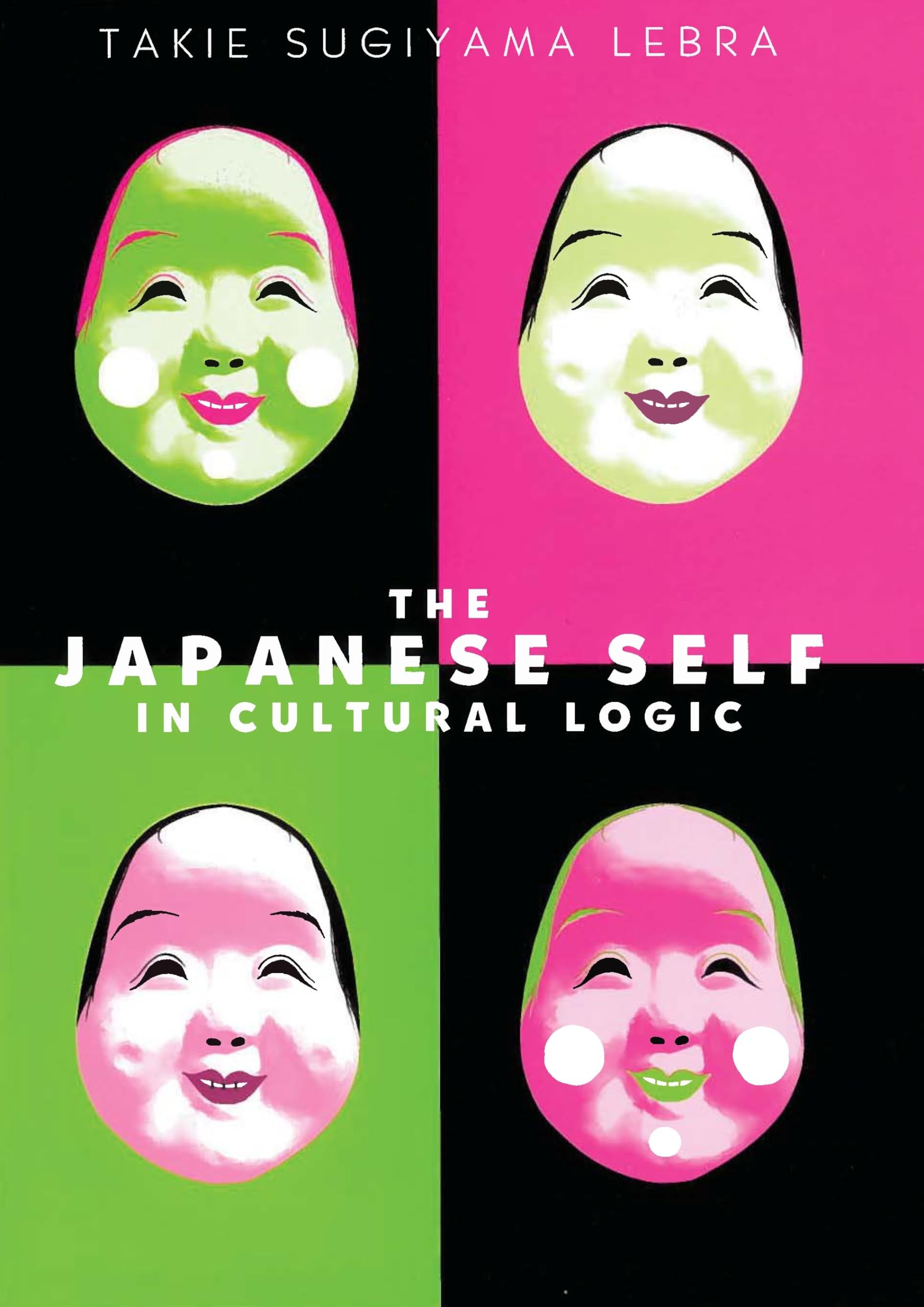
The self serves as a universally available, effective, and indispensable filter for making sense of the chaos of the world. In her latest book, Takie Lebra attempts a new understanding of the Japanese self through her unique use of cultural logic. She begins by presenting and elaborating on two models ('opposition logic' and 'contingency logic') to examine concepts of self, Japanese and otherwise. Guided by these, she delves into the three layers of the Japanese self, focusing first on the social layer as located in four 'zones'omote (front), uchi (interior), ura (back), and soto (exterior)and its shifts from zone to zone. New light is shed on these familiar linguistic and spatial categories by introducing the dimension of civility.The book expands the discussion in relation to larger constructions of the inner and cosmological self. Unlike the social self, which views itself in relation to the 'other,' the inner layer involves a reflexivity in which self communicates with self. While the social self engages in dialogue or trialogue, the inner self communicates through monologue or soliloquy. The cosmological layer, which centers around transcendental beliefs and fantasies, is examined and the analysis supplemented with comments on aesthetics. Throughout, Lebra applies her methodology to dozens of Japanese examples and makes relevant comparisons with North American culture and notions of self. Finally, she provides a spirited analysis of critiques of Nihonjinron to reinforce the relevancy of Japanese studies.This volume is the culmination of decades of thinking on self and social relations by one of the most influential scholars in the field. It will prove highly instructive to Japanese and nonJapanese readers alike in a range of disciplines, including anthropology, sociology, and social psychology.
⚠️ WARNING (California Proposition 65):
This product may contain chemicals known to the State of California to cause cancer, birth defects, or other reproductive harm.
For more information, please visit www.P65Warnings.ca.gov.