
Title
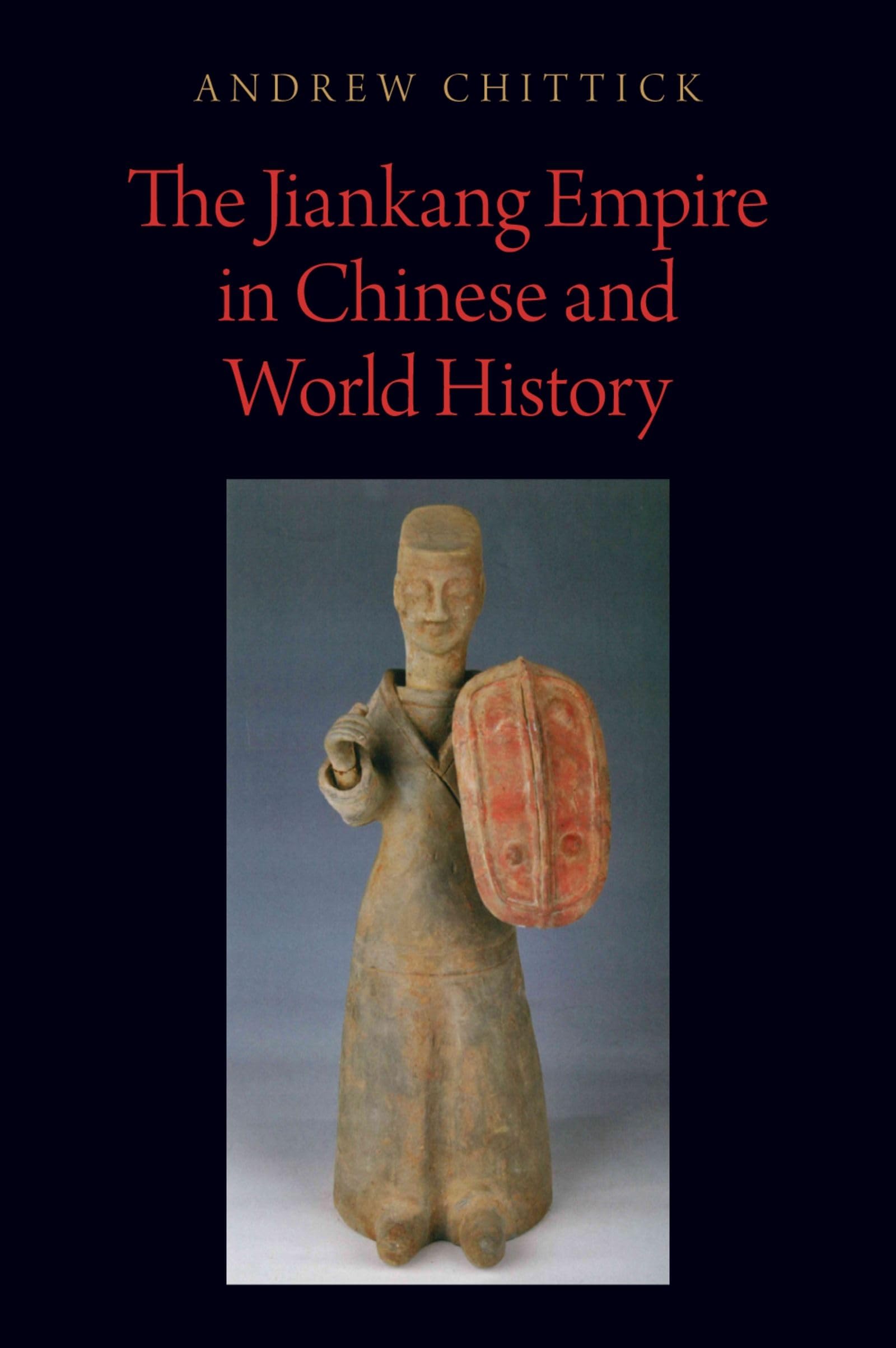
The Jiankang Empire in Chinese and World History (Oxford Studies in Early Empires),Used
Sold by Ergodebooks, an authorized reseller.
Returns accepted within 30 days | support@ergodebooks.com
Shipping Information
- Free Standard Shipping — United States only
- Processing Time: 3–5 business days
- Estimated Delivery: 6–10 business days after dispatch
- Double-boxed, fully insured & discreetly packaged
- Tracking number sent via email once dispatched
Returns & Refund
Returns accepted within 30 days of delivery.
Damaged or Defective Item
Free return shipping + replacement or full refund
Wrong Item Received
Free return shipping + replacement or full refund
Change of Mind
Return shipping at customer's expense · 25% restocking fee applies
Payment Option

This work offers a sweeping reassessment of the Jiankang Empire (3rd6th centuries CE), known as the Chinese "Southern Dynasties." It shows how, although one of the medieval world's largest empires, Jiankang has been rendered politically invisible by the standard narrative of Chinese nationalist history, and proposes a new framework and terminology for writing about medieval East Asia. The book pays particular attention to the problem of ethnic identification, rejecting the idea of "ethnic Chinese," and delineating several other, more useful ethnographic categories, using case studies in agriculture/foodways and vernacular languages. The most important, the Wuren of the lower Yangzi region, were believed to be inherently different from the peoples of the Central Plains, and the rest of the book addresses the extent of their ethnogenesis in the medieval era. It assesses the political culture of the Jiankang Empire, emphasizing military strategy, institutional cultures, and political economy, showing how it differed from Central Plainsbased empires, while having significant similarities to Southeast Asian regimes. It then explores how the Jiankang monarchs deployed three distinct repertoires of political legitimation (vernacular, Sinitic universalist, and Buddhist), arguing that the Sinitic repertoire was largely eclipsed in the sixth century, rendering the regime yet more similar to neighboring South Seas states. The conclusion points out how the research reorients our understanding of acculturation and ethnic identification in medieval East Asia, generates new insights into the TangSong transition period, and offers new avenues of comparison with Southeast Asian and medieval European history.
⚠️ WARNING (California Proposition 65):
This product may contain chemicals known to the State of California to cause cancer, birth defects, or other reproductive harm.
For more information, please visit www.P65Warnings.ca.gov.