
Title
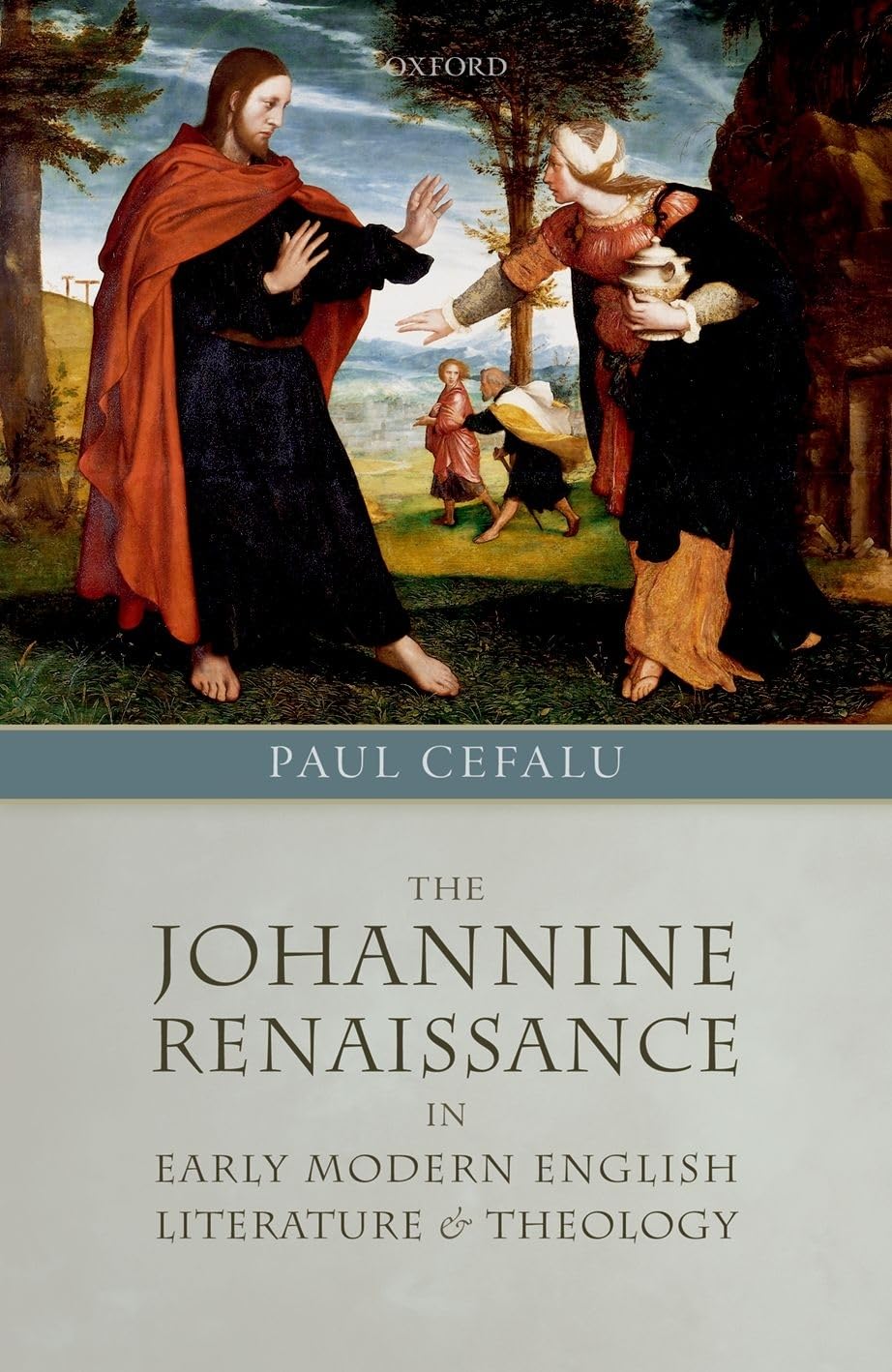
The Johannine Renaissance in Early Modern English Literature and Theology,Used
Sold by Ergodebooks, an authorized reseller.
Returns accepted within 30 days | support@ergodebooks.com
Shipping Information
- Free Standard Shipping — United States only
- Processing Time: 3–5 business days
- Estimated Delivery: 6–10 business days after dispatch
- Double-boxed, fully insured & discreetly packaged
- Tracking number sent via email once dispatched
Returns & Refund
Returns accepted within 30 days of delivery.
Damaged or Defective Item
Free return shipping + replacement or full refund
Wrong Item Received
Free return shipping + replacement or full refund
Change of Mind
Return shipping at customer's expense · 25% restocking fee applies
Payment Option

The Johannine Renaissance in Early Modern English Literature and Theology argues that the Fourth Gospel and First Epistle of Saint John the Evangelist were so influential during the early modern period in England as to share with Pauline theology pride of place as leading apostolic texts on matters Christological, sacramental, pneumatological, and political. The book argues further that, in several instances, Johannine theology is more central than both Pauline theology and the Synoptic theology of Matthew, Mark, and Luke, particularly with regard to early modern polemicizing on the Trinity, distinctions between agape and eros, and the ideologies of radical dissent, especially the seventeenthcentury antinomian challenge of free grace to traditional Puritan Pietism.In particular, early modern religious poetry, including works by Robert Southwell, George Herbert, John Donne, Richard Crashaw, Thomas Traherne, and Anna Trapnel, embraces a distinctive form of Johannine devotion that emphasizes the divine rather than human nature of Christ; the belief that salvation is achieved more through revelation than objective atonement and expiatory sin; a realized eschatology; a robust doctrine of assurance and comfort; and a stylistic and rhetorical approach to representing these theological features that often emulates John's mode of discipleship misunderstanding and dramatic irony. Early modern Johannine devotion assumes that religious lyrics often express a revelatory poetics that aims to clarify, typically through the use of dramatic irony, some of the deepest mysteries of the Fourth Gospel and First Epistle.
⚠️ WARNING (California Proposition 65):
This product may contain chemicals known to the State of California to cause cancer, birth defects, or other reproductive harm.
For more information, please visit www.P65Warnings.ca.gov.