
Title
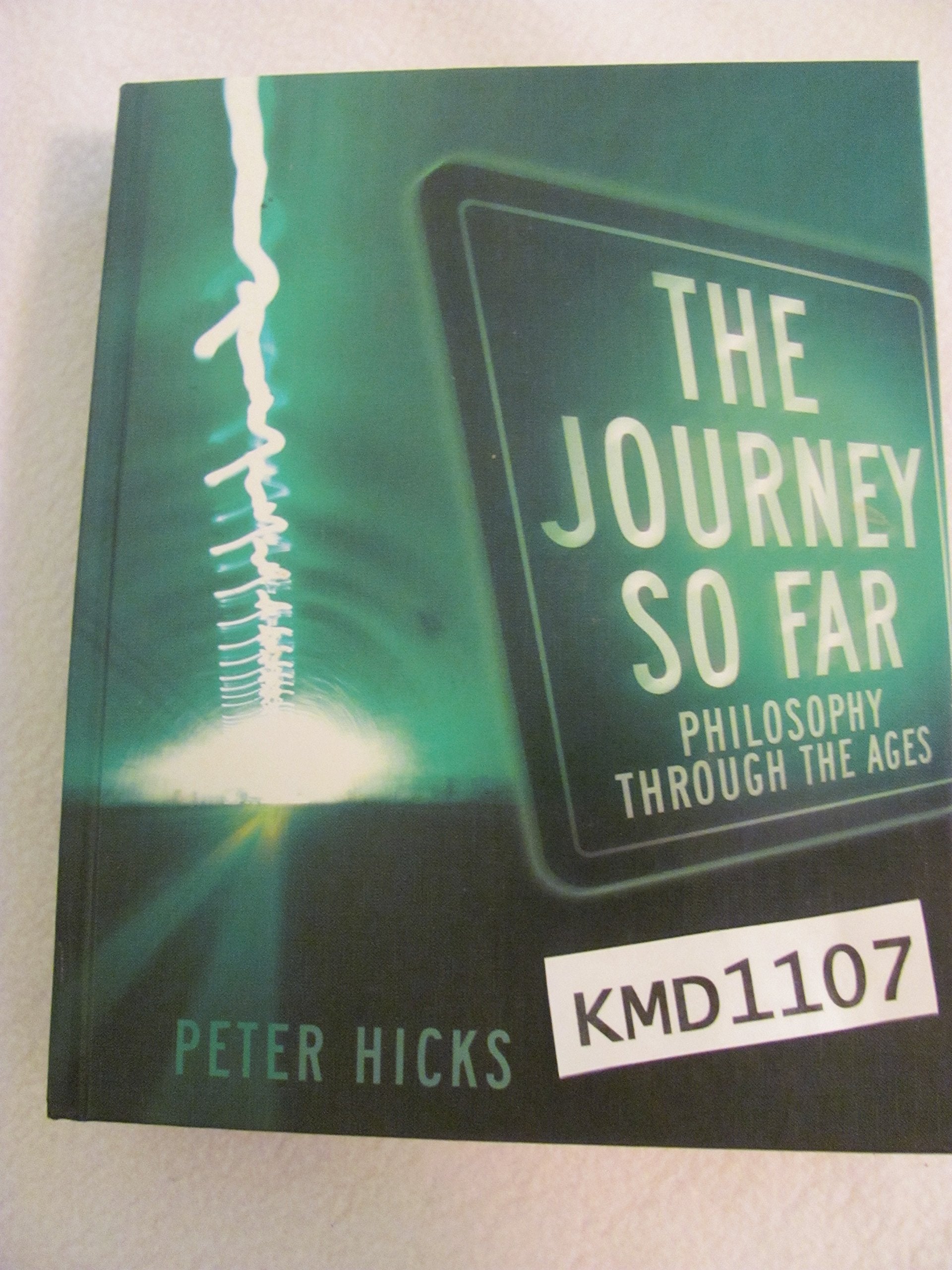
The Journey So Far: Philosophy Through The Ages
Sold by Ergodebooks, an authorized reseller.
Returns accepted within 30 days | support@ergodebooks.com
Shipping Information
- Free Standard Shipping — United States only
- Processing Time: 3–5 business days
- Estimated Delivery: 6–10 business days after dispatch
- Double-boxed, fully insured & discreetly packaged
- Tracking number sent via email once dispatched
Returns & Refund
Returns accepted within 30 days of delivery.
Damaged or Defective Item
Free return shipping + replacement or full refund
Wrong Item Received
Free return shipping + replacement or full refund
Change of Mind
Return shipping at customer's expense · 25% restocking fee applies
Payment Option

An Accessible Christian Survey Of The History Of Philosophy For College Students This Introductory Textbook On Philosophy Offers A Chronological Approach To Philosophical Issues From A Christian Perspective. It Is Written In Clear Language And Presupposes No Previous Study Of Philosophy. The Focus Is Primarily On Western Philosophy, But It Touches On Eastern And Noneuropean (Such As African) Thought Where Relevant. Topics Covered Include: Beginnings (Jewish And Prechristian Thought To About 300 A.D.), Christianity, Medievalism, The Rise Of Humanism, Decline And Despair, And The Descent Into Relativism. The Book Concludes With Suggestions Of Where The Journey Goes From Here.
⚠️ WARNING (California Proposition 65):
This product may contain chemicals known to the State of California to cause cancer, birth defects, or other reproductive harm.
For more information, please visit www.P65Warnings.ca.gov.
- Q: What are the dimensions of the book? A: The book measures seven point six eight inches in length, one point five inches in width, and nine point four one inches in height.
- Q: How many pages does this book have? A: This book contains five hundred twelve pages, providing a comprehensive overview of philosophy through the ages.
- Q: What type of binding does the book have? A: The book is bound in hardcover, ensuring durability and a quality reading experience.
- Q: Who is the author of 'The Journey So Far'? A: The author of the book is Peter Hicks, who presents philosophical concepts from a Christian perspective.
- Q: What is the main focus of the book? A: The book primarily focuses on Western philosophy while also touching on Eastern and non-European thoughts where relevant.
- Q: Is this book suitable for beginners in philosophy? A: Yes, this book is designed for beginners and presupposes no previous study of philosophy, making it accessible for college students.
- Q: What philosophical topics are covered in the book? A: The book covers topics including Jewish and pre-Christian thought, Christianity, Medievalism, Humanism, and the decline into relativism.
- Q: Can this book be used in college courses? A: Yes, it is specifically designed as an introductory textbook for college students studying philosophy.
- Q: How should I care for this hardcover book? A: To keep the book in good condition, store it upright in a dry place and avoid exposure to excessive moisture.
- Q: Is the book appropriate for a younger audience? A: Yes, while it targets college students, it can also serve as a thoughtful introduction for younger readers interested in philosophy.
- Q: Does the book include any suggestions for further reading? A: Yes, the book concludes with suggestions on where the philosophical journey goes from here, guiding readers for further exploration.
- Q: What makes this book different from other philosophy textbooks? A: This book uniquely integrates a Christian perspective, making philosophical concepts relatable to students from that viewpoint.
- Q: What type of philosophical perspectives does the book address? A: It addresses various perspectives, including Jewish, Christian, Medieval, and Humanist philosophies, along with discussions on relativism.
- Q: What is the intended audience for 'The Journey So Far'? A: The intended audience includes college students and anyone seeking an accessible overview of philosophy from a Christian perspective.
- Q: What does the book suggest about the future of philosophy? A: The book concludes with reflections on the future trajectory of philosophical thought, encouraging readers to consider new directions.