
Title
The Kebra Nagast,Used
Sold by Ergodebooks, an authorized reseller.
Returns accepted within 30 days | support@ergodebooks.com
Shipping Information
- Free Standard Shipping — United States only
- Processing Time: 3–5 business days
- Estimated Delivery: 6–10 business days after dispatch
- Double-boxed, fully insured & discreetly packaged
- Tracking number sent via email once dispatched
Returns & Refund
Returns accepted within 30 days of delivery.
Damaged or Defective Item
Free return shipping + replacement or full refund
Wrong Item Received
Free return shipping + replacement or full refund
Change of Mind
Return shipping at customer's expense · 25% restocking fee applies
Payment Option

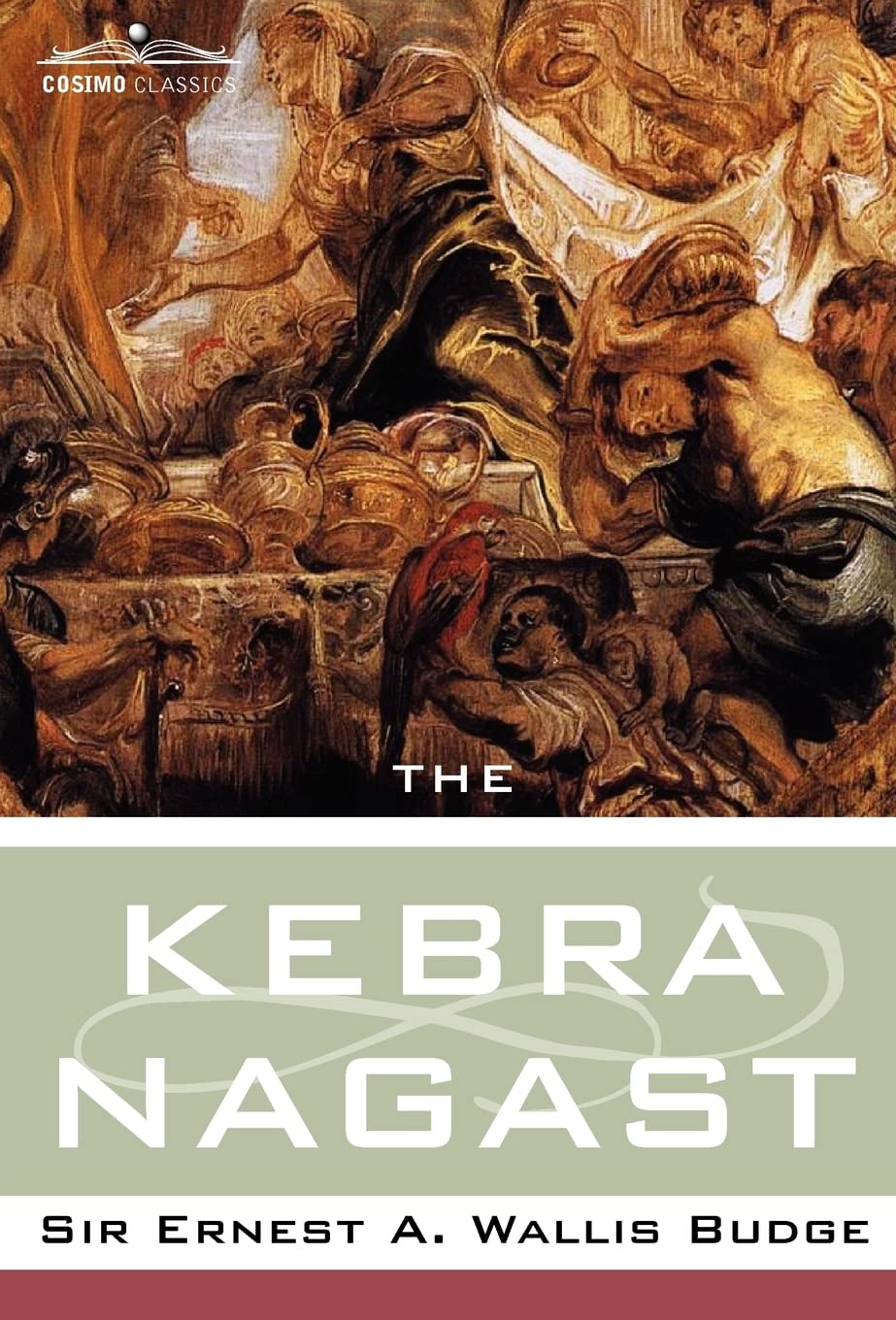
A 'great storehouse of legends and traditions' according to translator E.A. Wallis Budge, 'The Kebra Nagast' most likely dates back to the sixth century AD, and provides an alternative view of many biblical stories. According to this ancient text, the kings of Ethiopia were descended from Solomon, King of Israel, and the Queen of Sheba; the Ark of the Covenant had been brought from Jerusalem to Aksum by Meyelek, the son of Solomon and the Queen of Sheba; and the God of Israel had transferred his place of abode on earth from Jerusalem to Aksum, the ecclesiastical and political capital of Ethiopia. '. . .[O]nly in the Kebra Nagast, and not in the Bible. . . the bold assertion is made. . . that the Ark had gone from Jerusalem to Ethiopia.' '. . . [H]ow could the most important Biblical object in the world end up in the heart of Africa. . . ? The Kebra Nagast with a great deal of weight and historical authenticity. . . offers a clear answer to this question. . . as Ethiopia's claim to be the last resting place of the lost Ark remains unchallenged. . .' '. . . [T]he Kebra Nagast's audacious claim of a massive coverup. . . [and] all information about the tragic loss of the Ark during Solomon's reign had been suppressed, which is why no mention is made of it in the Scriptures.' '. . . a great epic. . . a remarkable document. . . erected above a solid foundation of historical truth.' Graham Hancock 'The Sign and the Seal' E.A. WALLIS BUDGE was the curator of Egyptian and Assyrian Antiquities at the British Museum and he collected a large number of manuscripts. He is perhaps best known for translating 'The Egyptian Book of The Dead,' but he also created books of translated hieroglyphs, Egyptian religion, mythology, and magic. He was knighted in 1920.
⚠️ WARNING (California Proposition 65):
This product may contain chemicals known to the State of California to cause cancer, birth defects, or other reproductive harm.
For more information, please visit www.P65Warnings.ca.gov.