If you have any questions, you are always welcome to contact us. We'll get back to you as soon as possible, withing 24 hours on weekdays.
Customer service
All questions about your order, return and delivery must be sent to our customer service team by e-mail at yourstore@yourdomain.com
Sale & Press
If you are interested in selling our products, need more information about our brand or wish to make a collaboration, please contact us at press@yourdomain.com
Help
If you have any questions, you are always welcome to contact us. We'll get back to you as soon as possible, withing 24 hours on weekdays.
Customer service
All questions about your order, return and delivery must be sent to our customer service team by e-mail at yourstore@yourdomain.com
Sale & Press
If you are interested in selling our products, need more information about our brand or wish to make a collaboration, please contact us at press@yourdomain.com
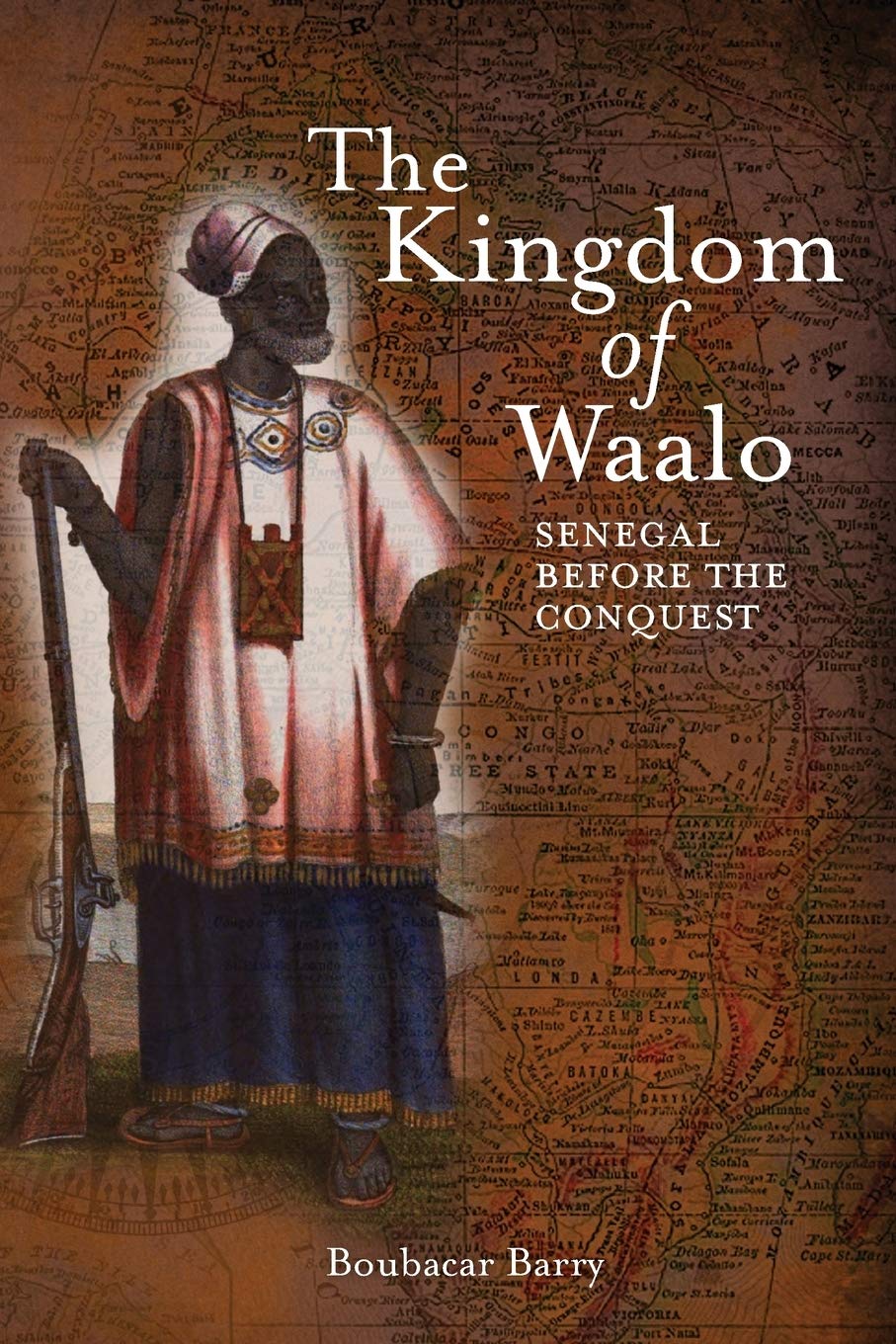
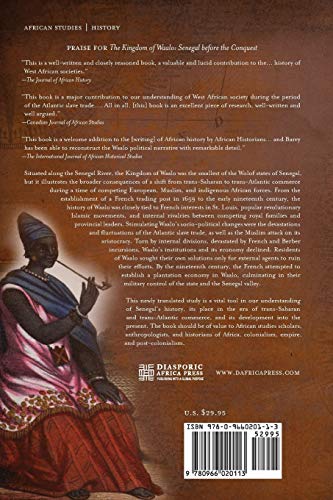
Situated along the Senegal River, the Kingdom of Waalo was the smallest of the Wolof states of Senegal, but it illustrates the broader consequences of a shift from transSaharan to transAtlantic commerce during a time of competing European, Muslim, and indigenous African forces. From the establishment of a French trading post in 1659 to the early nineteenth century, the history of Waalo was closely tied to French interests in St. Louis, popular revolutionary Islamic movements, and internal rivalries between competing royal families and provincial leaders. Stimulating Waalo's sociopolitical changes were the devastations and fluctuations of the Atlantic slave trade, as well as the Muslim attack on its aristocracy. Torn by internal divisions, devastated by French and Berber incursions, Waalo's institutions and its economy declined. Residents of Waalo sought their own solutions only for external agents to ruin their efforts. By the nineteenth century, the French attempted to establish a plantation economy in Waalo, culminating in their military control of the state and the Senegal valley. This newly translated study is a vital tool in our understanding of Senegal's history, its place in the era of transSaharan and transAtlantic commerce, and its development into the present. The book should be of value to African studies scholars, anthropologists, and historians of Africa, colonialism, empire, and postcolonialism.
⚠️ WARNING (California Proposition 65):
This product may contain chemicals known to the State of California to cause cancer,
birth defects, or other reproductive harm.
For MAP (Minimum Advertised Price) violations and Intellectual Property (IP) or Trademark concerns, please contact:
support@ergodebooks.com
⚠️ California Proposition 65 Warning: Some products sold on this website may expose you to chemicals known to the State of California to cause cancer, birth defects, or other reproductive harm. For more information, visit www.P65Warnings.ca.gov.