
Title
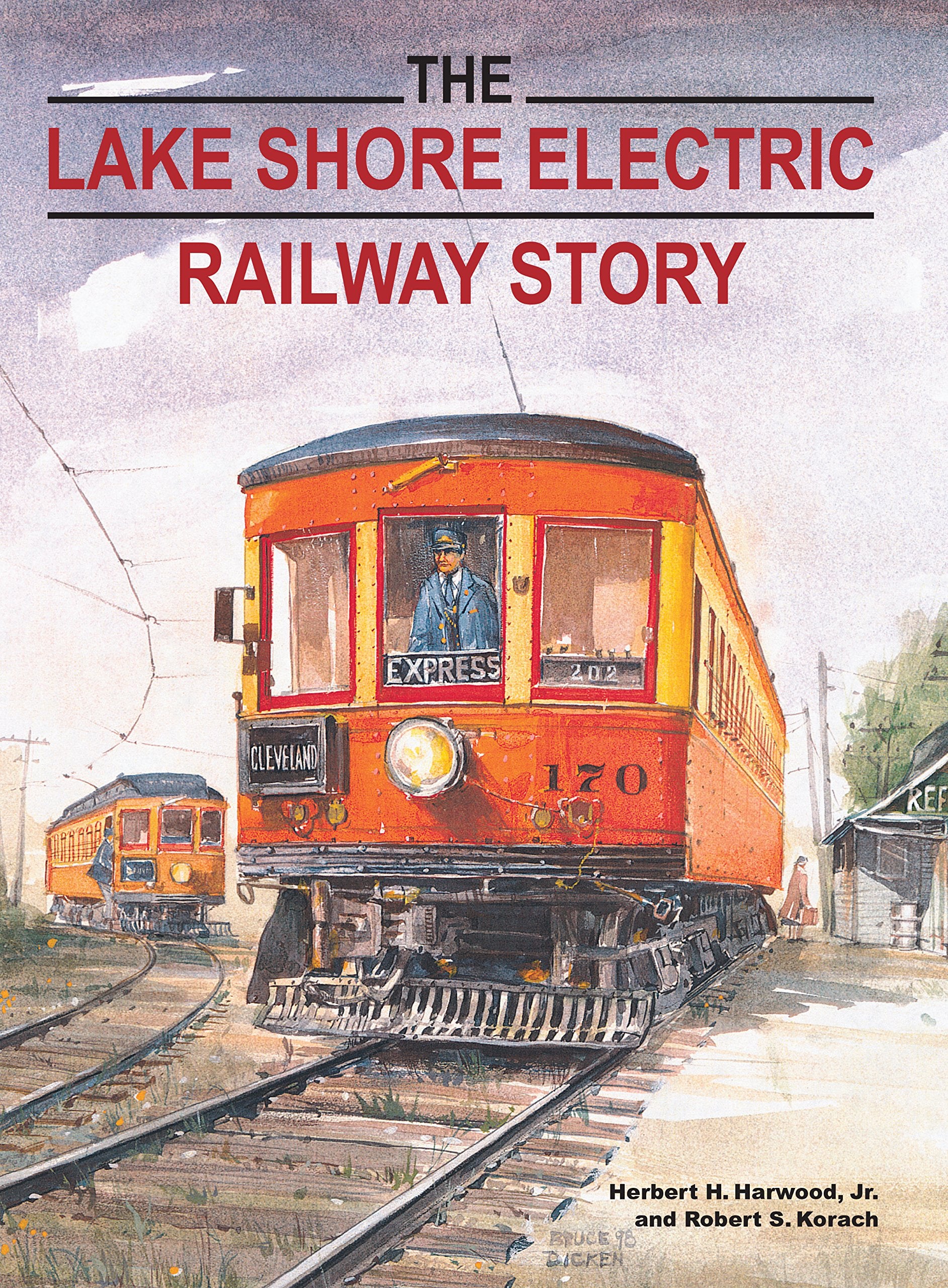
The Lake Shore Electric Railway Story (Railroads Past and Present),Used
Sold by Ergodebooks, an authorized reseller.
Returns accepted within 30 days | support@ergodebooks.com
Shipping Information
- Free Standard Shipping — United States only
- Processing Time: 3–5 business days
- Estimated Delivery: 6–10 business days after dispatch
- Double-boxed, fully insured & discreetly packaged
- Tracking number sent via email once dispatched
Returns & Refund
Returns accepted within 30 days of delivery.
Damaged or Defective Item
Free return shipping + replacement or full refund
Wrong Item Received
Free return shipping + replacement or full refund
Change of Mind
Return shipping at customer's expense · 25% restocking fee applies
Payment Option

The Lake Shore Electric'The Greatest Electric Railway in the United States'Herbert H. Harwood, Jr., and Robert S. KorachA classic look at one of Americas favorite electric railways.From 1901 to 1938 the Lake Shore Electric claimed to beand was considered by many'The Greatest Electric Railway in the United States.' It paralleled the shore of Lake Erie, connecting Cleveland and Toledo with a highspeed, limitedstop service and even pioneered a form of intermodal transportation three decades before the rest of the industry.To millions of people the bright orange electric cars were an economical and comfortable means of escaping the urban mills and shops, or the humdrum of rural life. In summers during the glory years there were never enough cars to handle the crowds seeking weekend retreats to Lake Eries beaches and amusement parks. To thousands of midwestern newlyweds the Lake Shore was one of the more enjoyable passages taken on the long but pleasant trip to Niagara Falls, which included the night boat from Cleveland to Buffalo.Reaching its peak in the early 1920s, the Lake Shore Electric suffered the fate of most of its sister lines: unfortunate timing. Created as an alternative to dirty, expensive, and uncomfortable horsedrawn carriages and primitive roads, it was soon competing with automobiles, trucks, and buses on subsidized highways. It could not rival their convenience. The railways fixed costs and construction debt made the struggle economically unwinnable.The Lake Shore Electric tells the entire story of this fascinating chapter in interurban transportation, even including the missed opportunities that might have saved this railway.Herbert H. Harwood, Jr., has had concurrent careers as a railroad historian, writer, photographer, and working railroader. He spent 30 years in various management positions at C&O and B&O and their successor, CSX. He is author of eleven books on railroad and electric railway history and numerous articles.Robert S. Korach has had a lifelong fascination with urban rail, and has worked with the Cleveland transit system, PATCOs Lindenwold (NJ) highspeed line, MBTA, and the Los Angeles transit system. He is past president of the Association of Railway Museums and was elected in 1995 to the American Public Transit Associations Hall of Fame.
⚠️ WARNING (California Proposition 65):
This product may contain chemicals known to the State of California to cause cancer, birth defects, or other reproductive harm.
For more information, please visit www.P65Warnings.ca.gov.