
Title
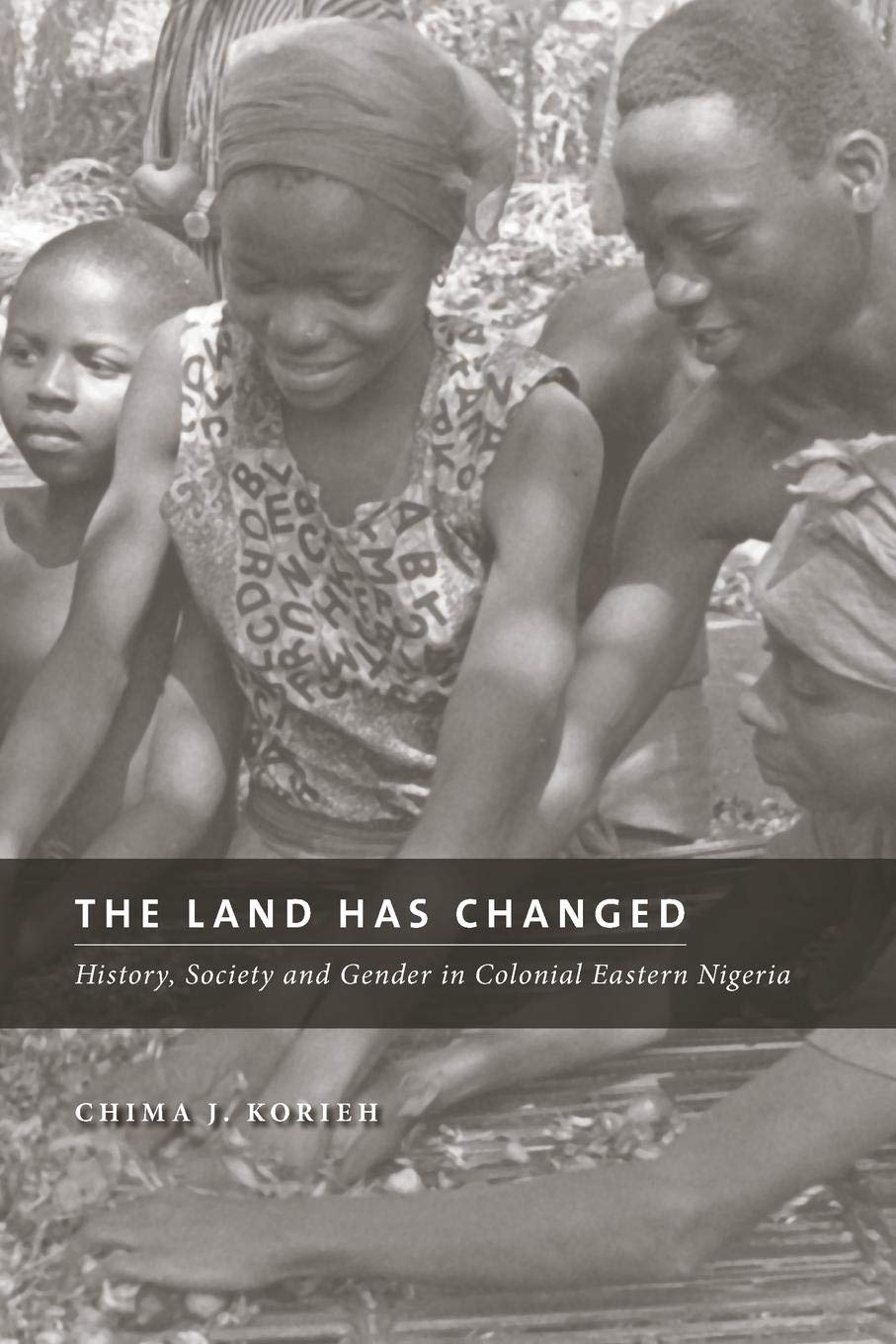
The Land Has Changed: History, Society, And Gender In Colonial Nigeria (Africa: Missing Voices, 6) (Volume 6),Used
Sold by Ergodebooks, an authorized reseller.
Returns accepted within 30 days | support@ergodebooks.com
Shipping Information
- Free Standard Shipping — United States only
- Processing Time: 3–5 business days
- Estimated Delivery: 6–10 business days after dispatch
- Double-boxed, fully insured & discreetly packaged
- Tracking number sent via email once dispatched
Returns & Refund
Returns accepted within 30 days of delivery.
Damaged or Defective Item
Free return shipping + replacement or full refund
Wrong Item Received
Free return shipping + replacement or full refund
Change of Mind
Return shipping at customer's expense · 25% restocking fee applies
Payment Option

A century ago, agriculture was the dominant economic sector in much of Africa. By the 1990s, however, African farmers had declining incomes and were worse off, on average, than those who did not farm. Colonial policies, subsequent 'topdown' statism, and globalization are usually cited as primary causes of this longterm decline. In this unprecedented study of the Igbo region of southeastern Nigeria, Chima Korieh points the way to a more complex and inclusive approach to this issue. Using agricultural change as a lens through which to view socioeconomic and cultural change, political struggle, and colonial hegemony, Korieh shows that regional dynamics and local responses also played vital roles in this era of transformation.British attempts to modernize the densely populated Igbo region were focused largely on intensive production of palm oil as a cash crop for export and on the assumption of male dominance within a conventional western hierarchy. This colonial agenda, however, collided with a traditional culture in which females played important social and political roles and male status was closely tied to yam cultivation. Drawing on an astonishing array of sources, including oral interviews, newspapers, private journals, and especially letters of petition from local farmers and traders, Korieh puts the reader in direct contact with ordinary people, evoking a feeling of what it was like to live through the era. As such, The Land Has Changed reveals colonial interactions as negotiated encounters between officials and natives and challenges simplistic notions of a hegemonic colonial state and a compliant native population.
⚠️ WARNING (California Proposition 65):
This product may contain chemicals known to the State of California to cause cancer, birth defects, or other reproductive harm.
For more information, please visit www.P65Warnings.ca.gov.