
Title
The Language Of Images In Roman Art
Sold by Ergodebooks, an authorized reseller.
Returns accepted within 30 days | support@ergodebooks.com
Shipping Information
- Free Standard Shipping — United States only
- Processing Time: 3–5 business days
- Estimated Delivery: 6–10 business days after dispatch
- Double-boxed, fully insured & discreetly packaged
- Tracking number sent via email once dispatched
Returns & Refund
Returns accepted within 30 days of delivery.
Damaged or Defective Item
Free return shipping + replacement or full refund
Wrong Item Received
Free return shipping + replacement or full refund
Change of Mind
Return shipping at customer's expense · 25% restocking fee applies
Payment Option

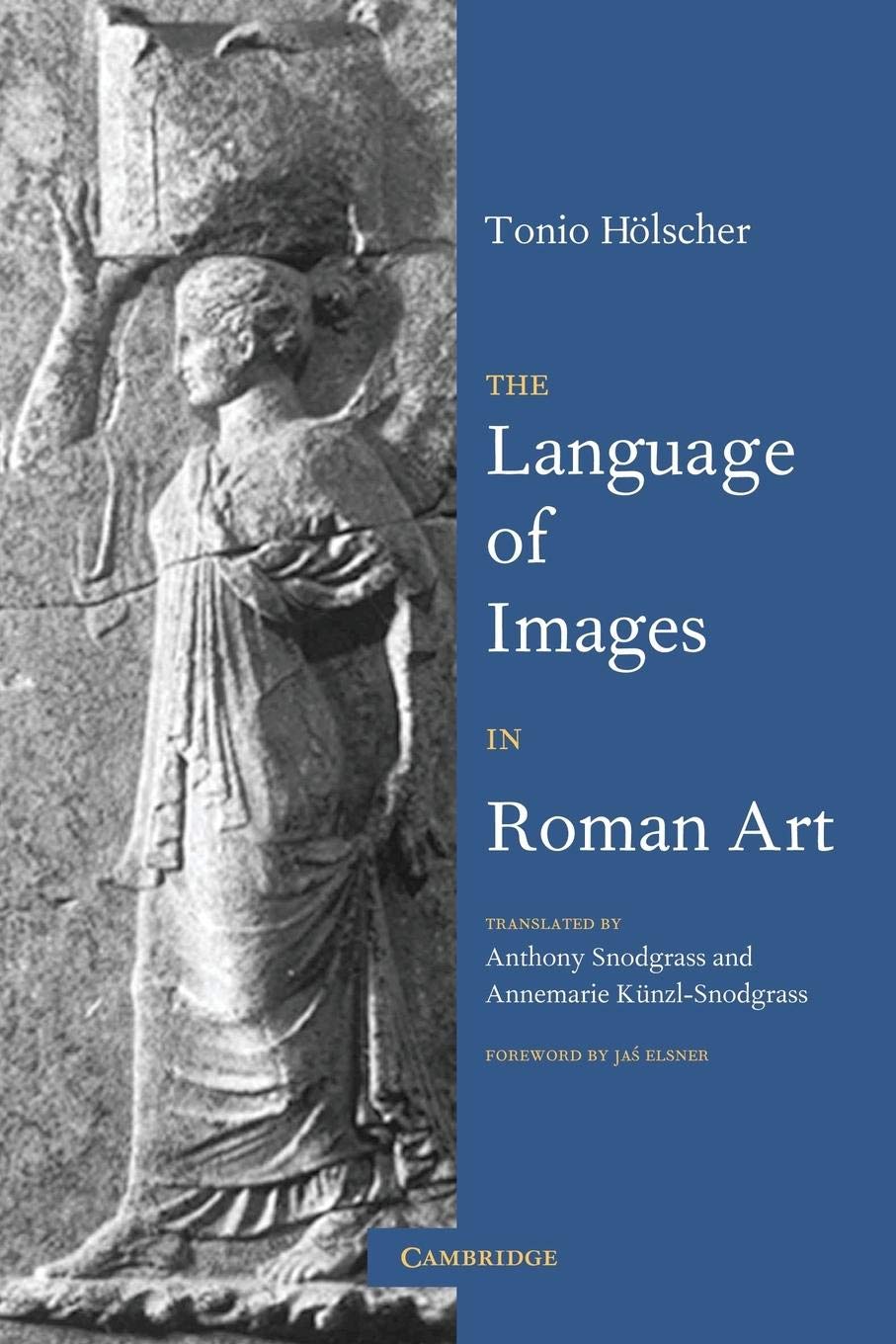
Tonio Hlscher Develops A New Theoretical Concept For Understanding The Roman Art Of Images By Establishing A Connection Between Artistic Forms And Content And Expressions Of Ideologysuch As The Glorification Of State And Ruler, War And Triumph. A Large Role Is Played Here By The Reception Of Earlier Images From Greek Art. Roman Art Therefore Appears To Operate As A Semantic System Which, From An Interdisciplinary Perspective, Can Be Compared With The Forms Of Roman Literature As Well As The Language Of Images Of Other Cultures.
⚠️ WARNING (California Proposition 65):
This product may contain chemicals known to the State of California to cause cancer, birth defects, or other reproductive harm.
For more information, please visit www.P65Warnings.ca.gov.
- Q: What is the page count of The Language of Images in Roman Art? A: The book has one hundred eighty-eight pages. This length provides a comprehensive exploration of Roman art and its ideological connections.
- Q: What are the dimensions of this book? A: The book measures five point ninety-nine inches in length, zero point forty-three inches in width, and nine point zero two inches in height. These dimensions make it a standard paperback size, easy to handle.
- Q: Who is the author of The Language of Images in Roman Art? A: The author is Tonio Hölscher. He is known for his contributions to the understanding of Roman art and its cultural significance.
- Q: What type of binding does this book have? A: The book is published in paperback binding. This makes it lightweight and suitable for easy reading and portability.
- Q: What is the subject category of this book? A: This book falls under the History category. It specifically discusses Roman art and its ideological implications.
- Q: What themes are explored in The Language of Images in Roman Art? A: The themes include the glorification of state and ruler, war, and triumph. It examines the connections between artistic forms and ideological expressions.
- Q: Is The Language of Images in Roman Art suitable for beginners? A: Yes, it is suitable for readers new to Roman art. The book presents complex theories in an accessible manner, making it educational for a broad audience.
- Q: What kind of readers would benefit from this book? A: Students of art history, history enthusiasts, and academics will find this book beneficial. It provides insights into the relationship between art and ideology.
- Q: How is this book relevant to understanding art? A: It connects artistic forms to ideological expressions, demonstrating how art communicates cultural values. This understanding is crucial for both historical and contemporary art analysis.
- Q: Does this book provide visual examples of Roman art? A: Yes, the book includes visual references to Roman art. These examples support the theoretical concepts discussed by the author.
- Q: How should I care for this paperback book? A: Keep it in a dry, cool place to maintain its condition. Avoid exposing it to direct sunlight or moisture to prevent damage.
- Q: What is the best way to store The Language of Images in Roman Art? A: Store the book upright on a shelf, similar to other books. Ensure it is not crammed between other items to avoid bending the cover.
- Q: Is this book a good gift for someone interested in art history? A: Yes, it makes an excellent gift for art history enthusiasts. Its insightful analysis and accessible style appeal to a wide range of readers.
- Q: Are there any warnings for this book regarding content? A: No specific warnings are associated with this book. It is scholarly and suitable for general readers interested in art history.
- Q: What if I receive a damaged copy of the book? A: If you receive a damaged copy, contact the seller for a return or exchange. Most retailers have a return policy for defective items.
- Q: Can I find The Language of Images in Roman Art in libraries? A: Yes, many academic and public libraries carry this book. Check your local library catalog or inquire with a librarian for availability.